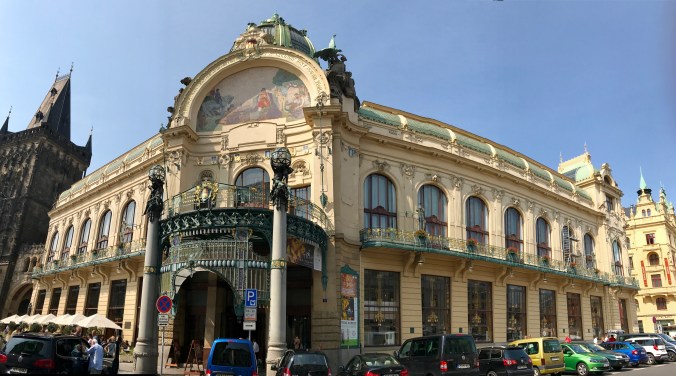
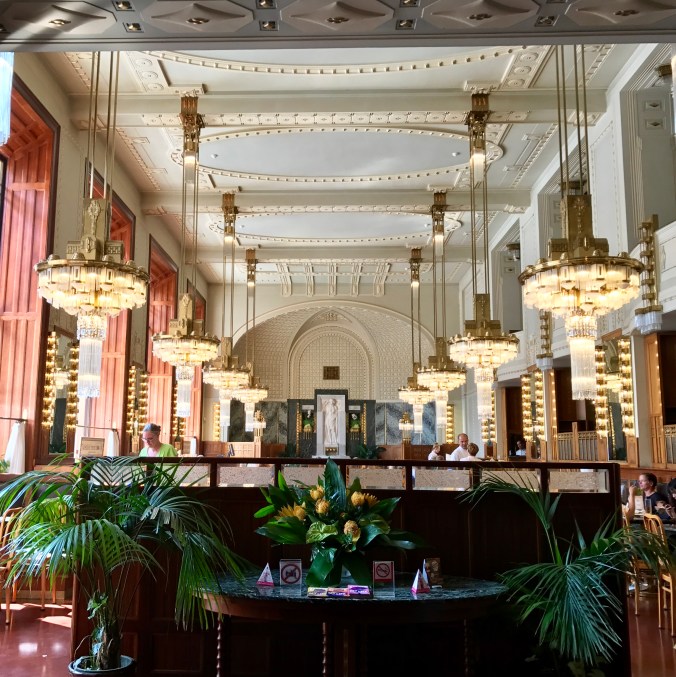
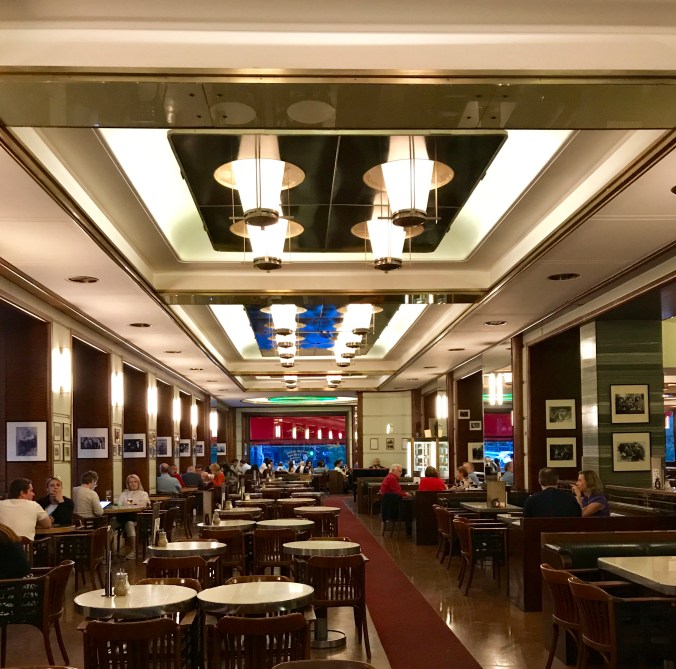
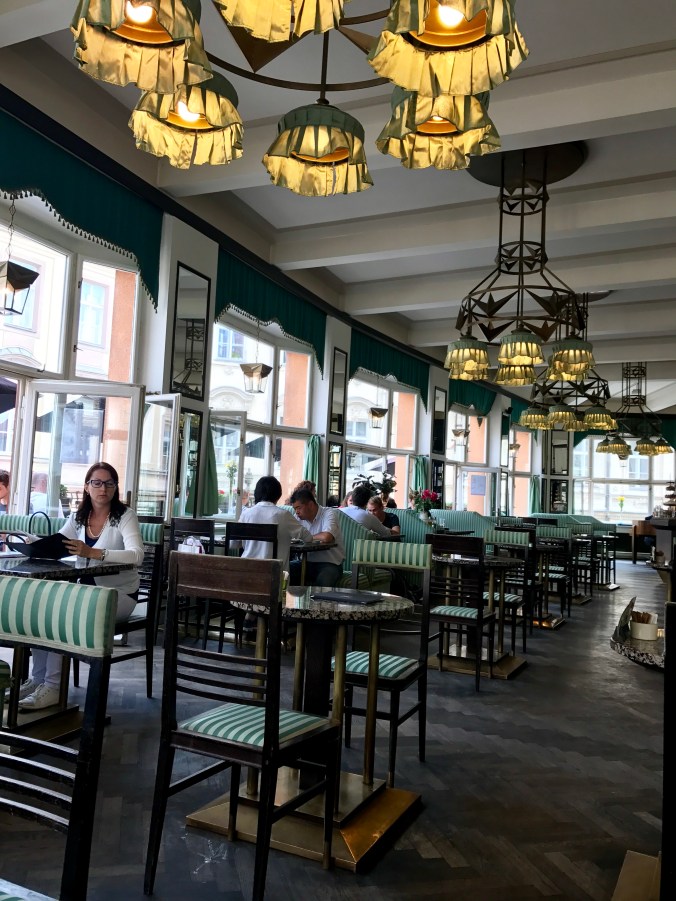
The Municipal House, built from 1905 to 1911, is a showplace of Art Deco architecture inside and out. Starting with the coffee shop
the stairwells

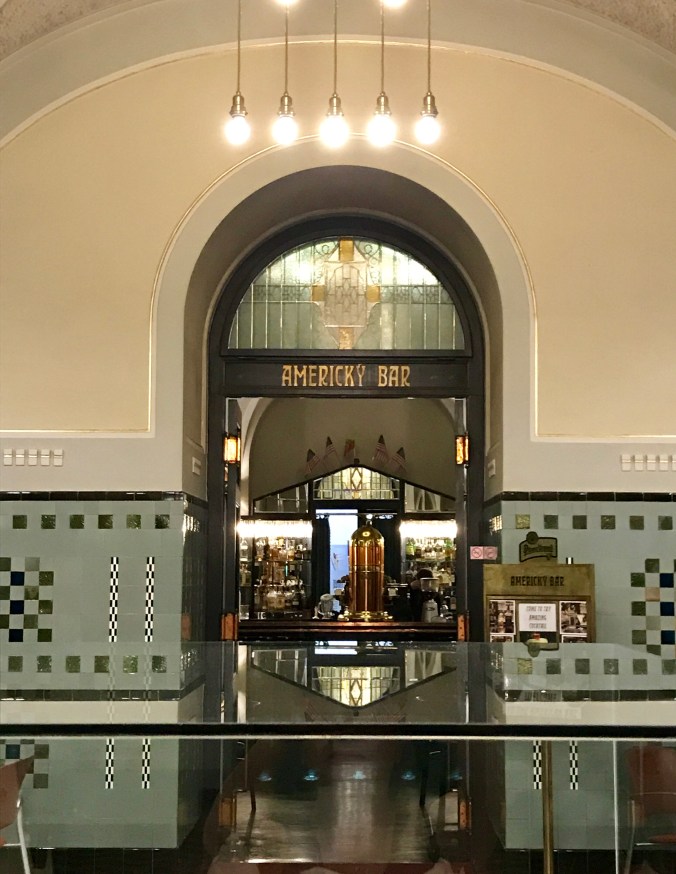
the oldest bar in Prague
And extending to all of the many rooms large and small, which have been maintained, or restored, to glorious effect.
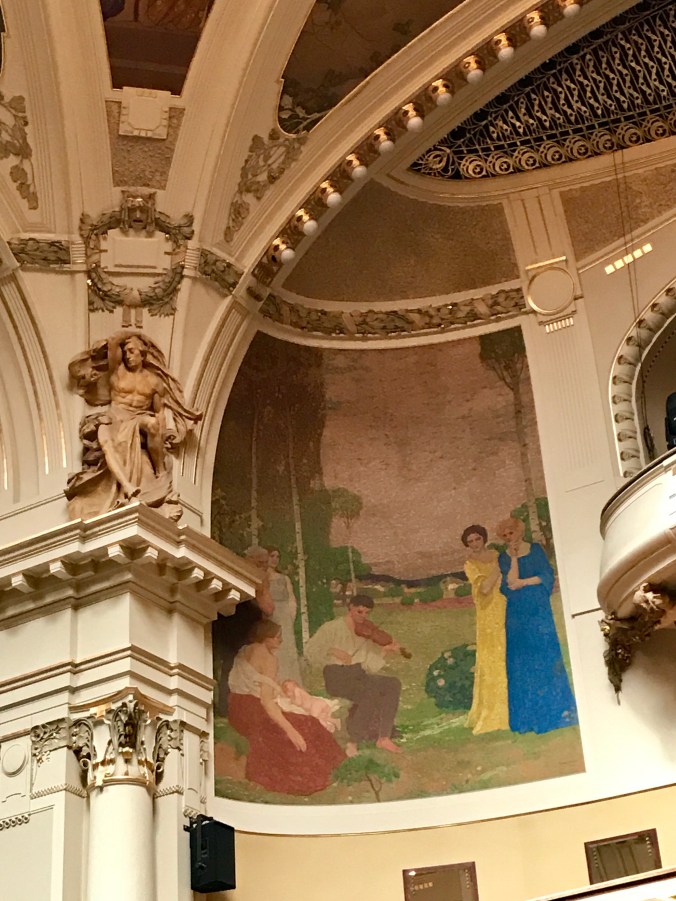
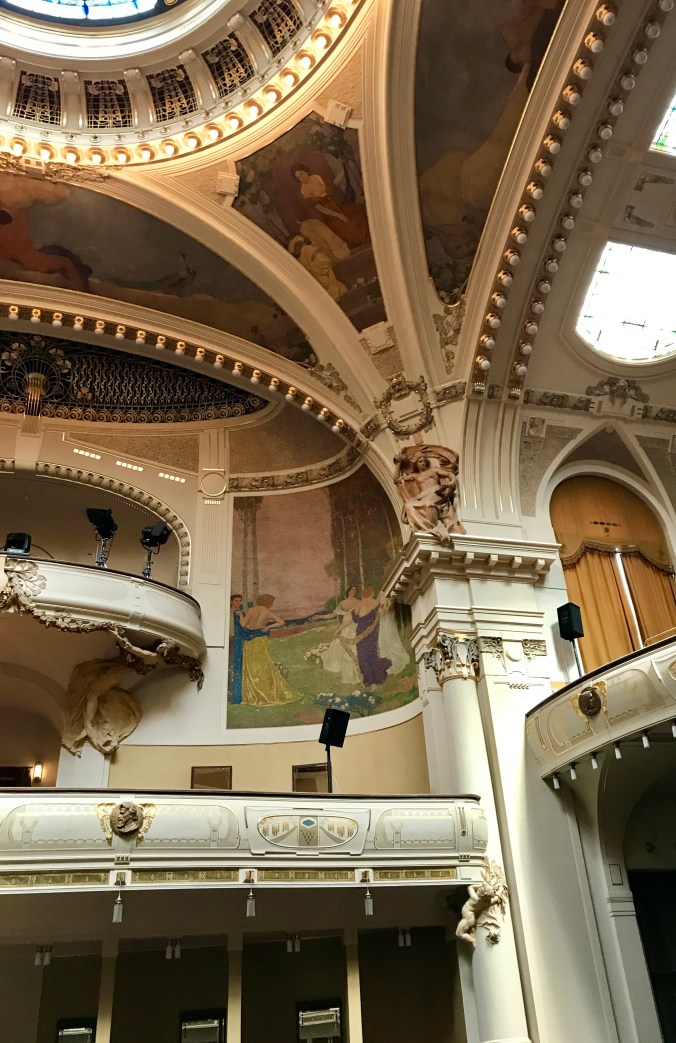
Above and below, details of the gallery decoration in Smetana Hall, the largest concert hall in Prague. Our guide explained that this room is used for a variety of purposes, including public meetings, private events, and ballroom dance classes.
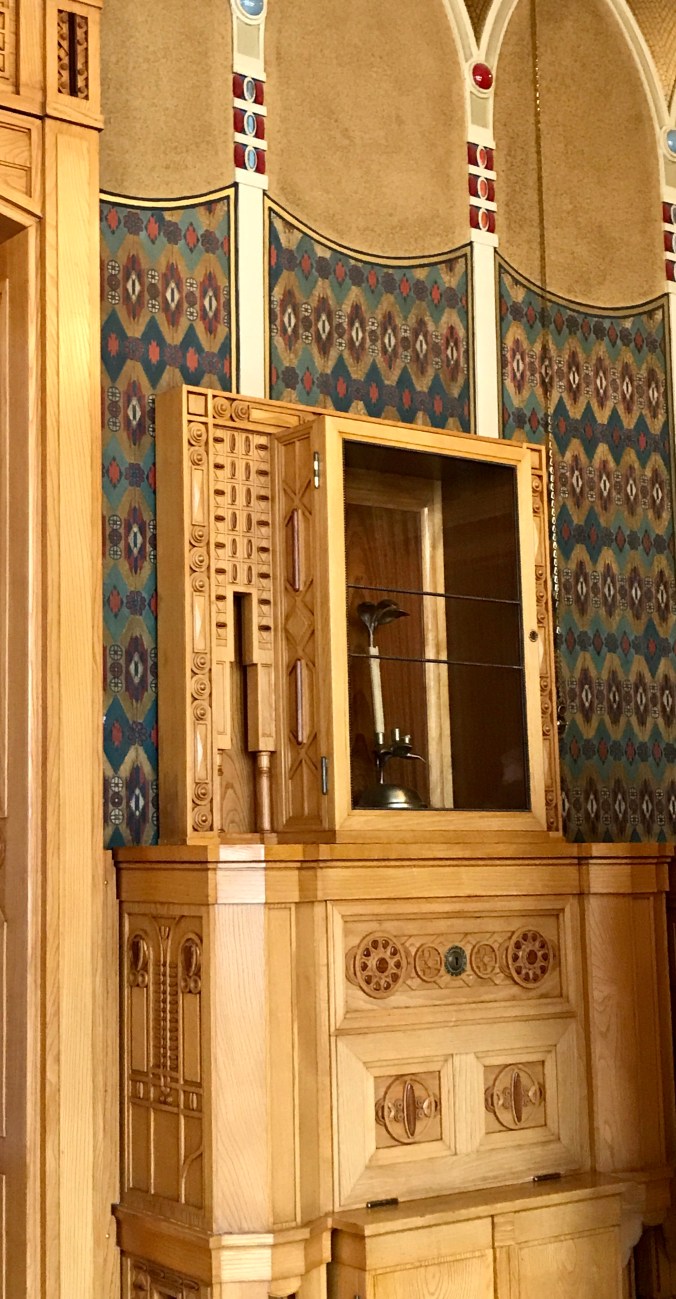
The many smaller rooms represent diverse decorative styles. Below, a room featuring details of Czech folk art.


The most beautiful of these rooms is the Lord Mayor’s Hall, every detail of which was designed by the great Czech artist Alfons Mucha.
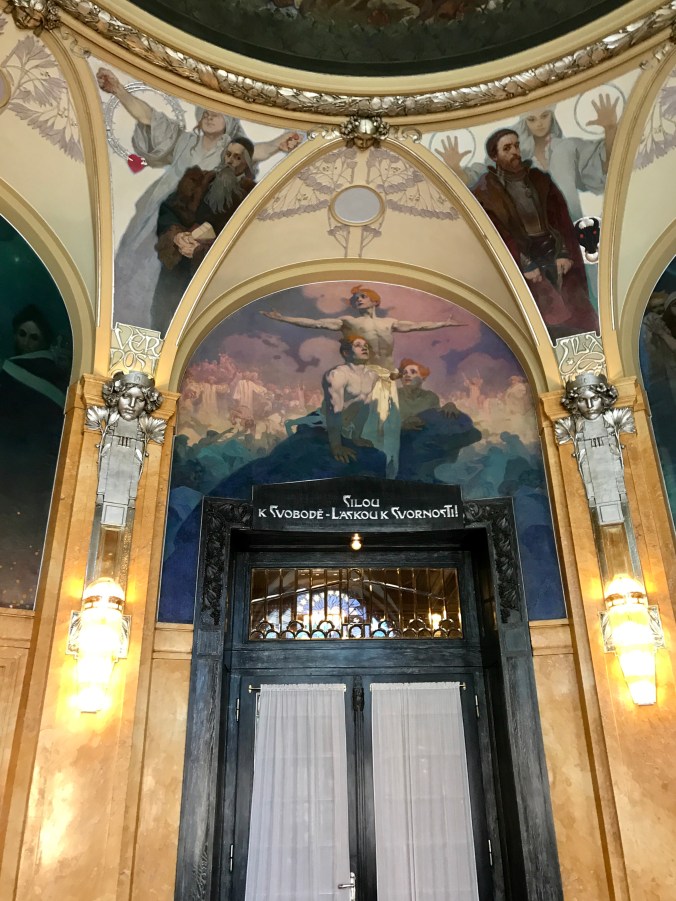
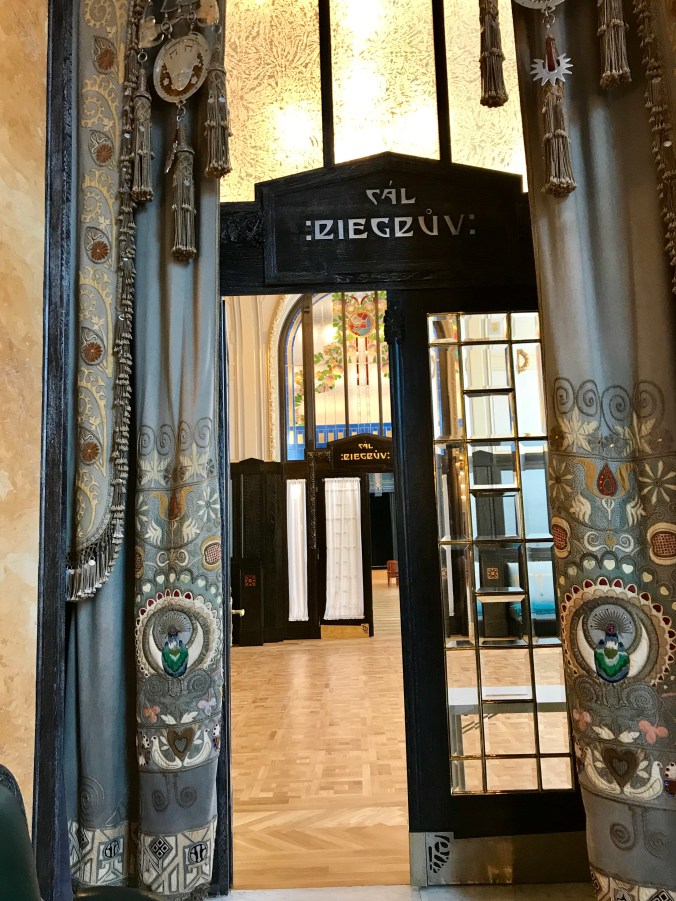
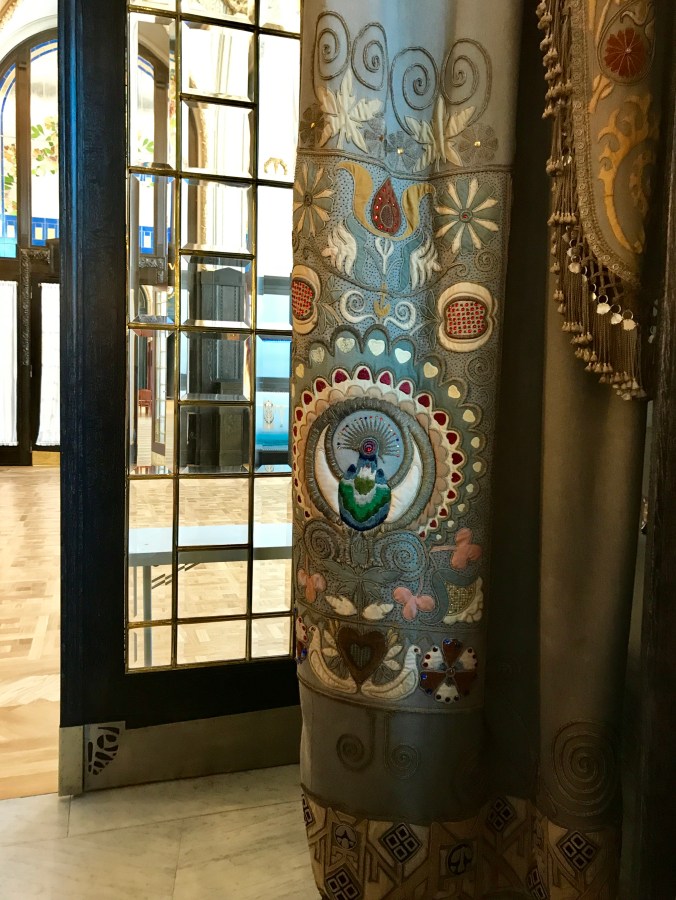
Mucha was also a great patriot, and his art here, as elsewhere throughout the city, is an expression of his love of country and his dream of a free and prosperous future for the Czech people.
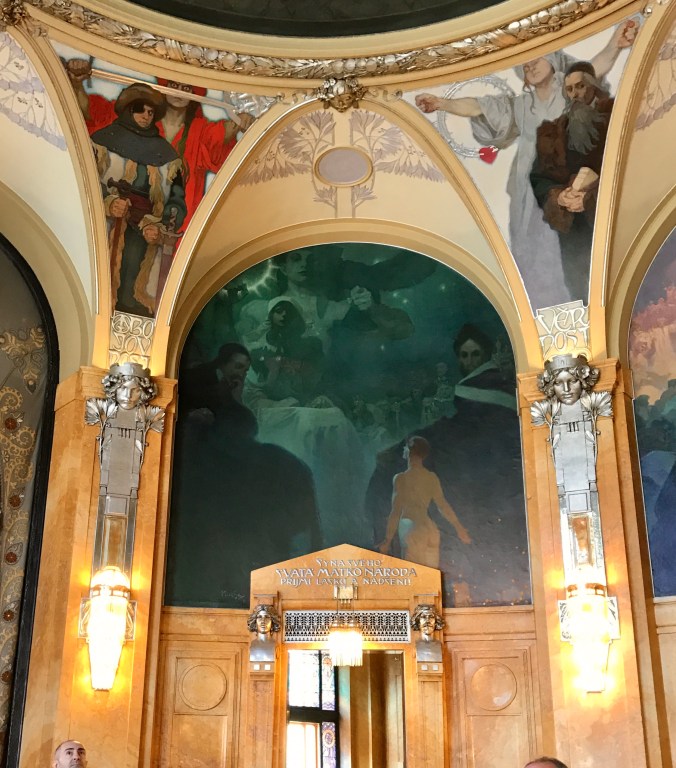
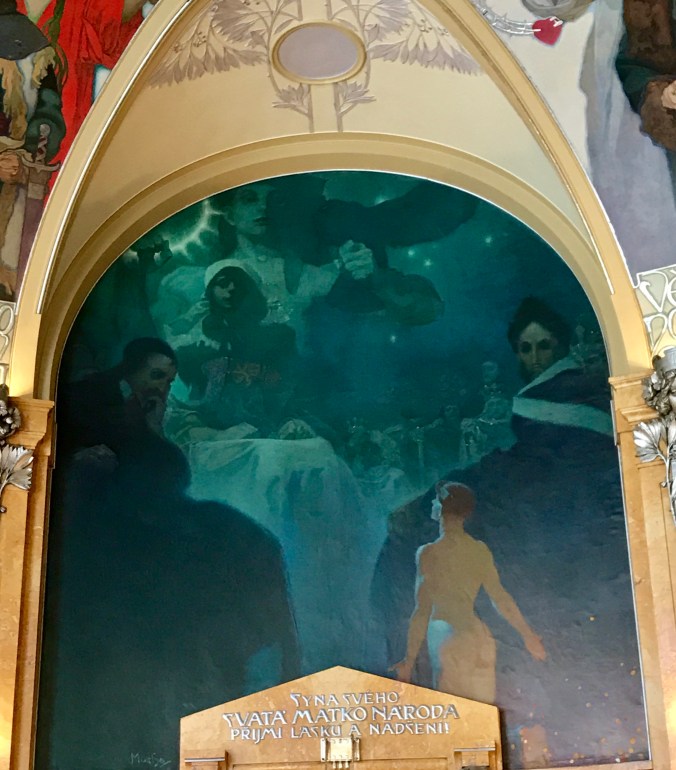
Having gorged on beauty, and after a light lunch in the coffee shop, we headed for the Museum of Communism.

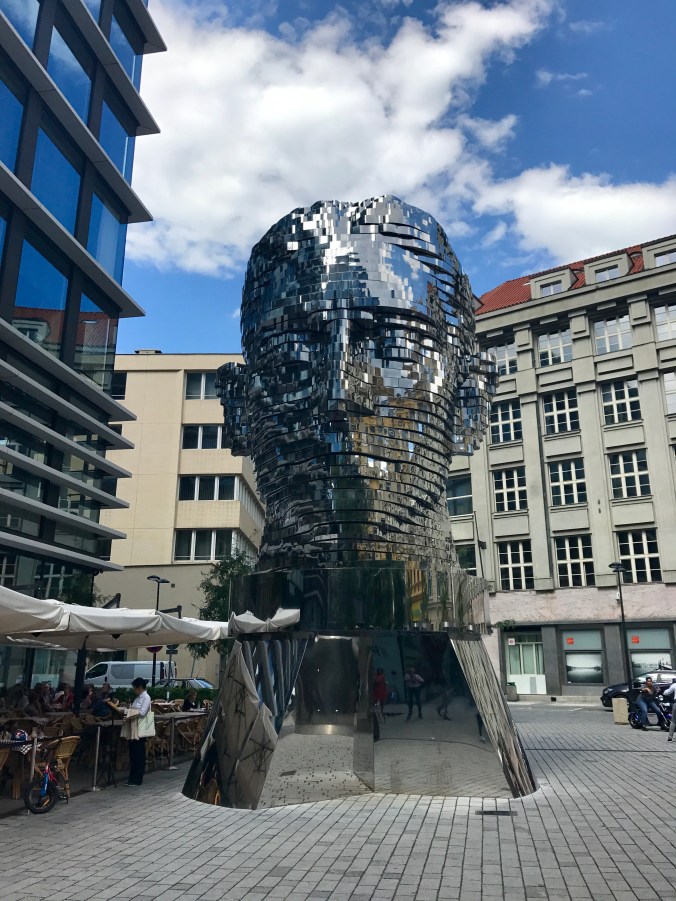

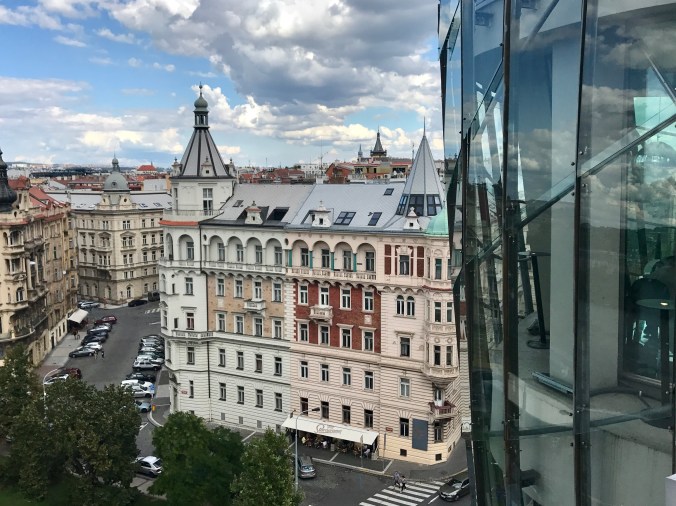
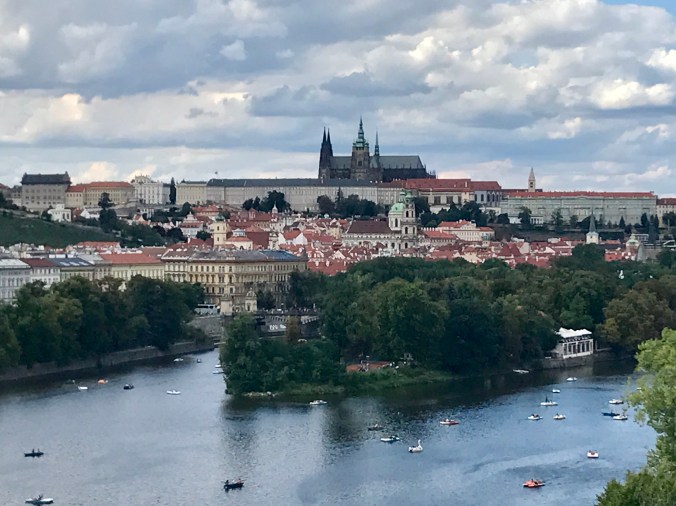
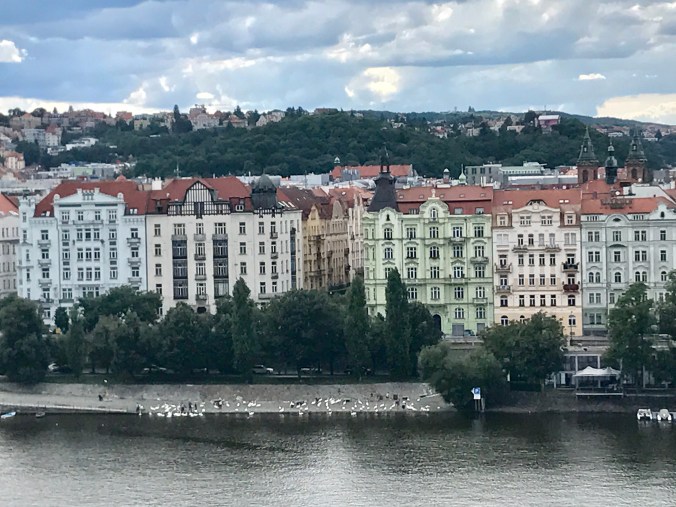

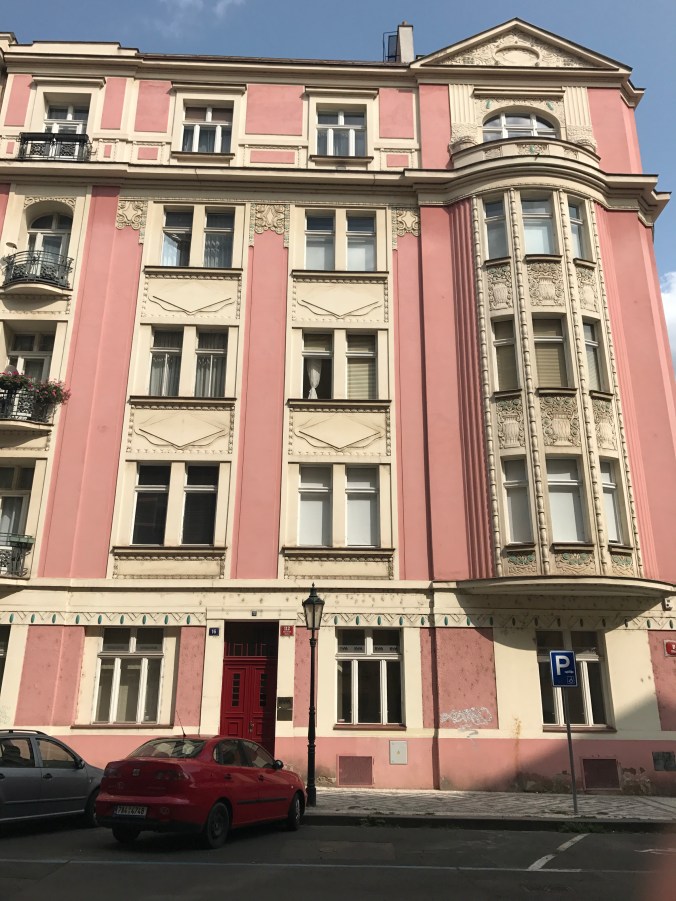


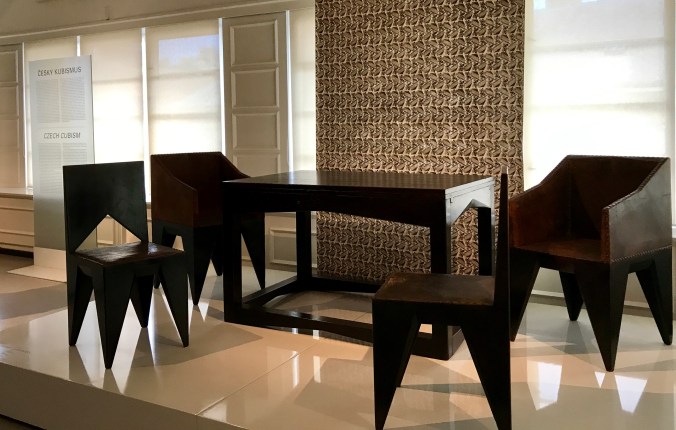
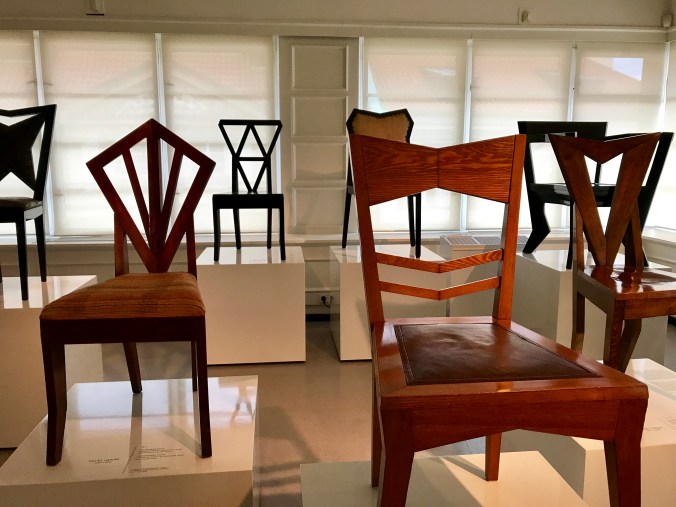
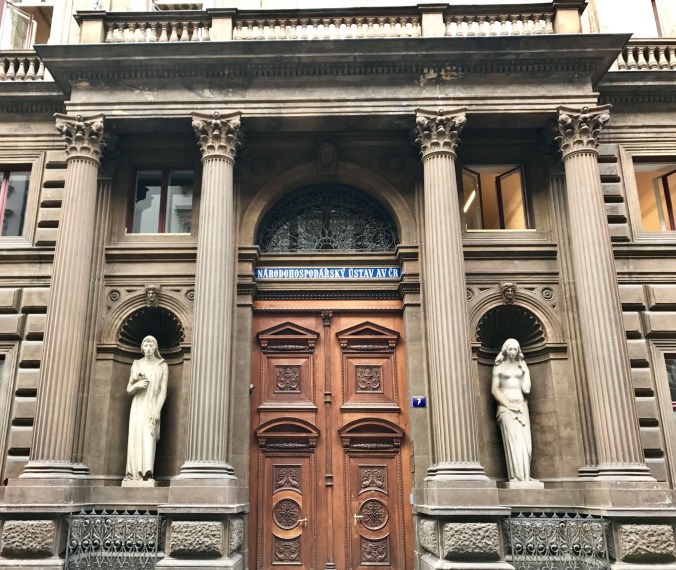
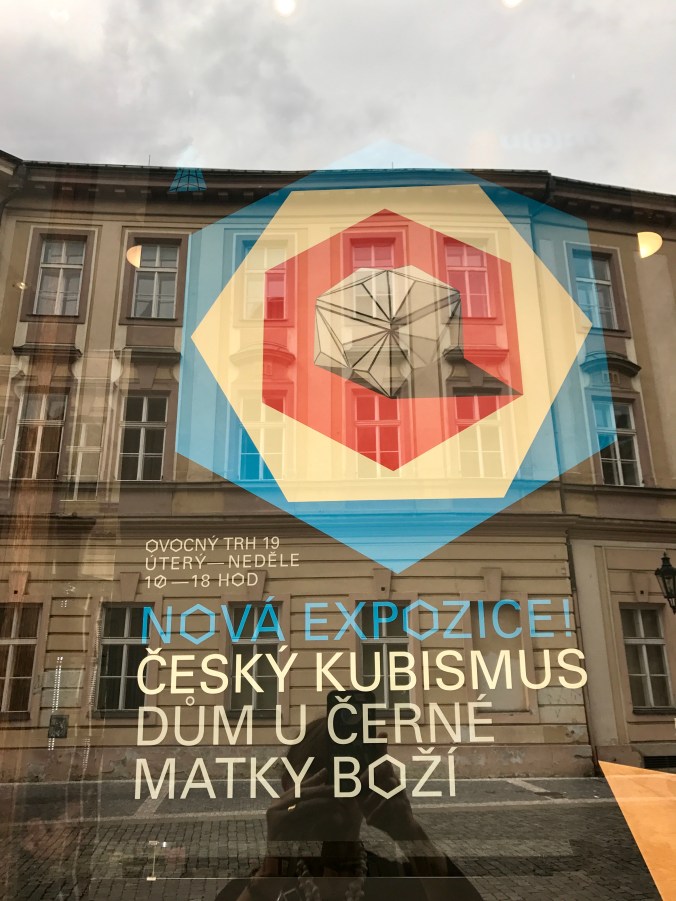 Czech cubism was born in Prague around 1910 when a group of artists began applying the cubist principles of Braque and Picasso to architecture and furniture design as well as painting and sculpture. The building that houses the museum is one of the few architectural designs to have been realized.








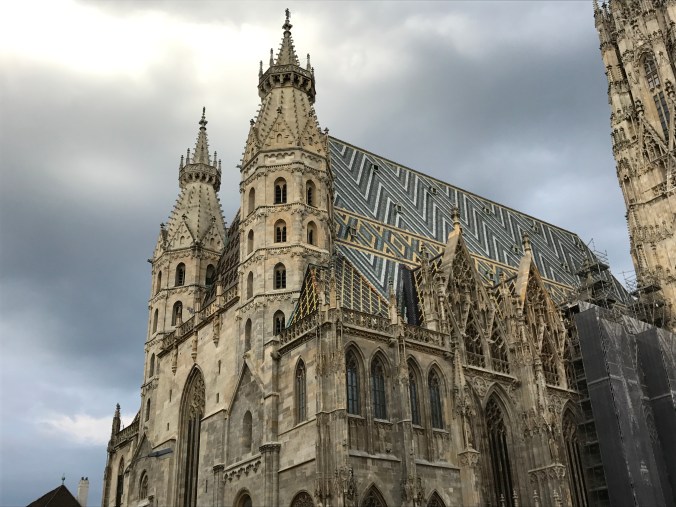 St. Stephen’s Cathedral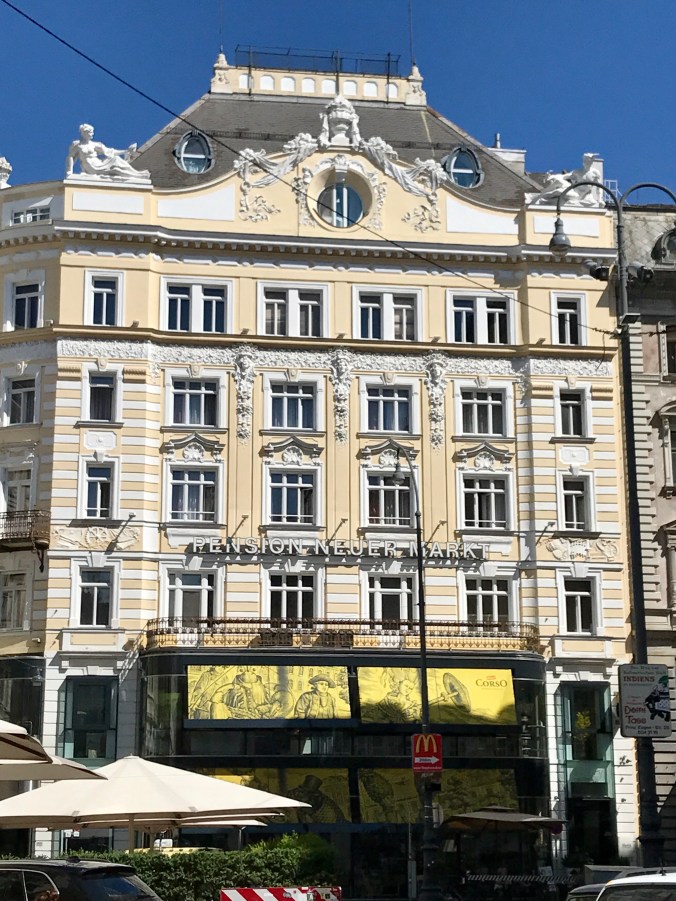

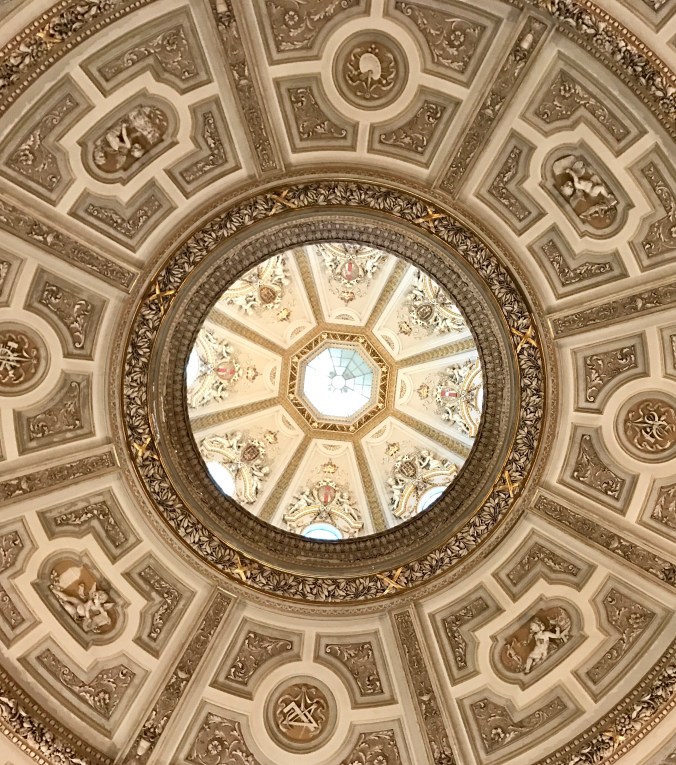 The domed ceiling of the entry, which is open in the center to show a second dome above.
 Have a seat.
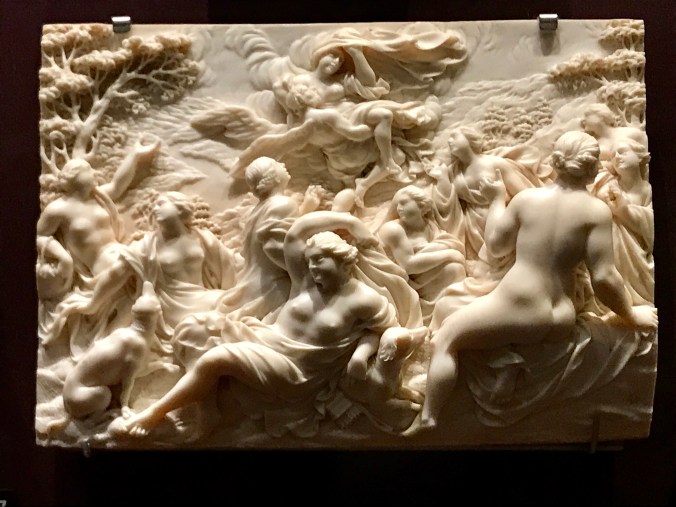 Diana and Three Nymphs
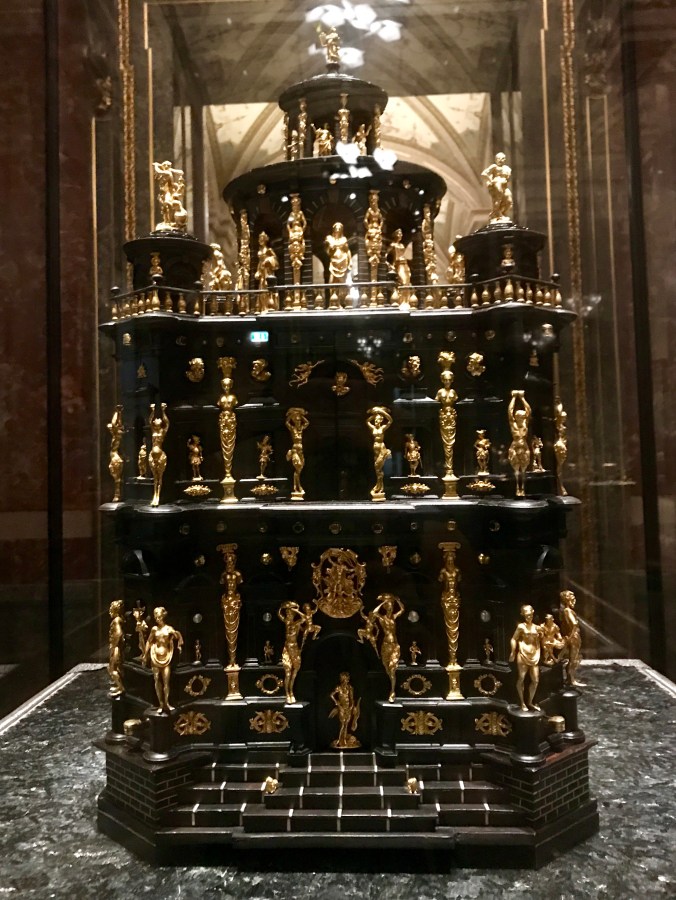 Ferdinand II’s Coin Cabinet
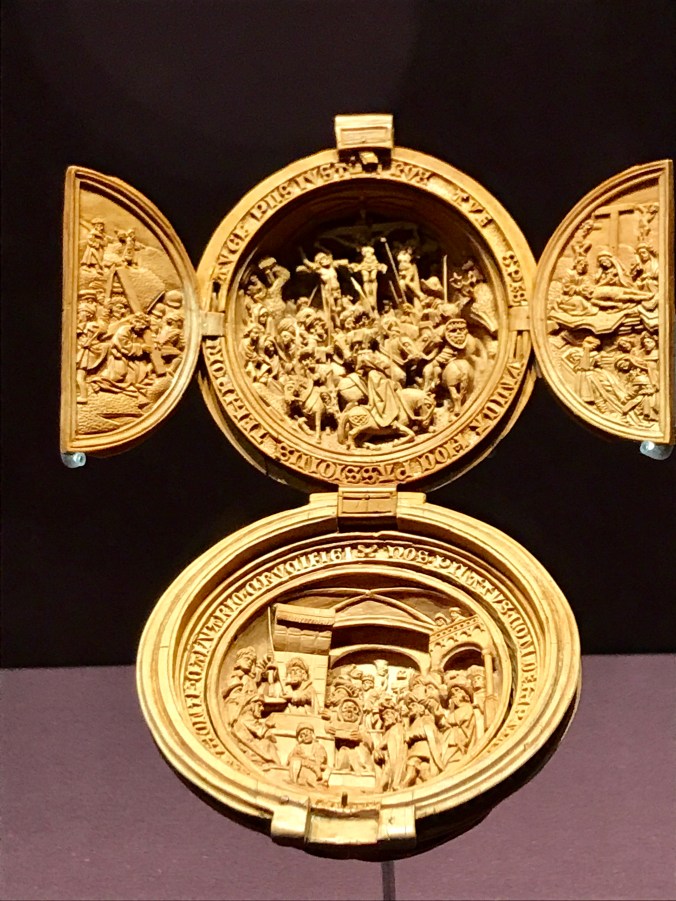 Beechwood “prayer” carving, the size of a large walnut.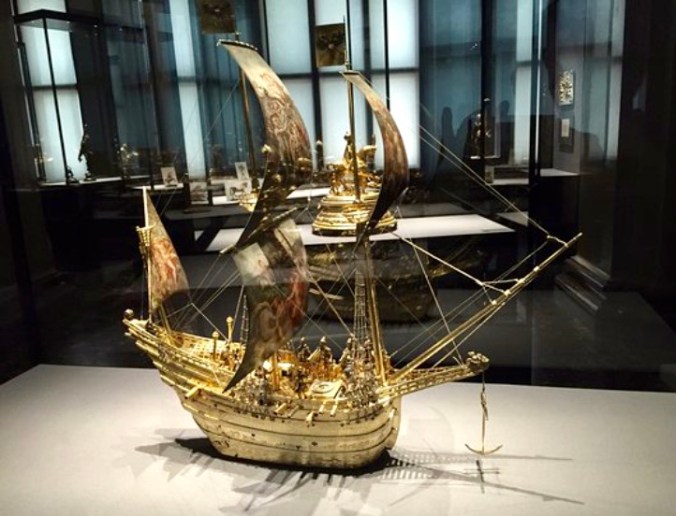


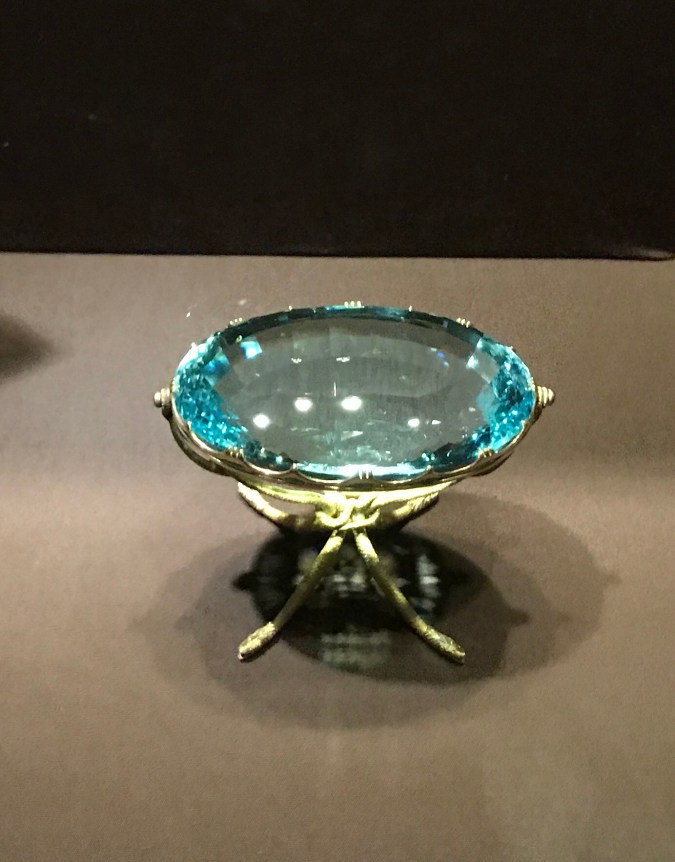 492 carat aquamarine
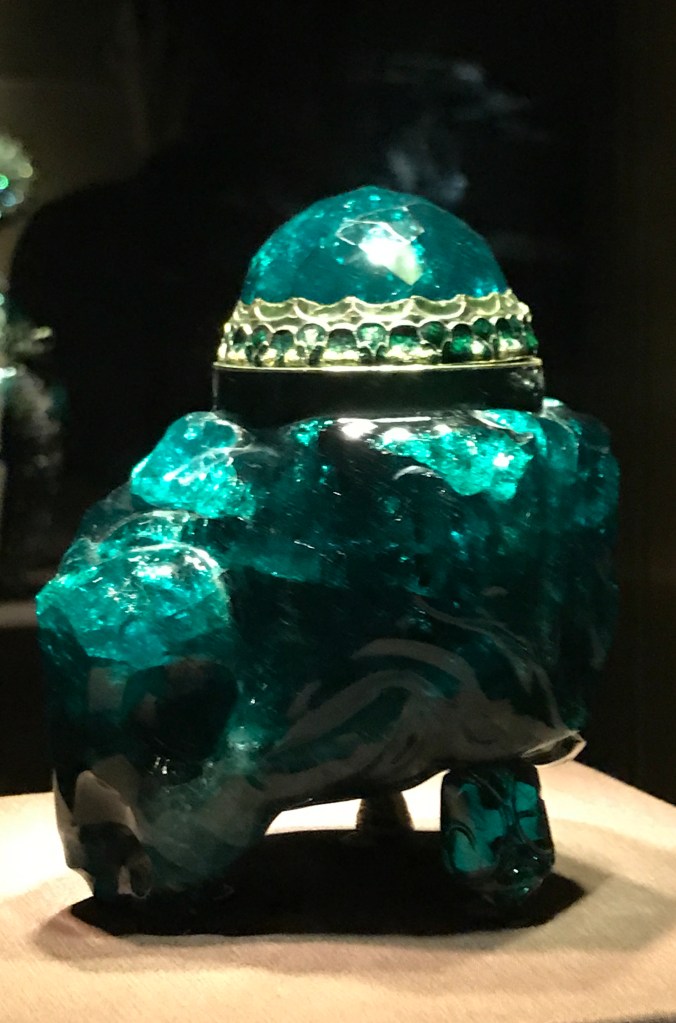 The largest cut emerald in the world, 2638 carats
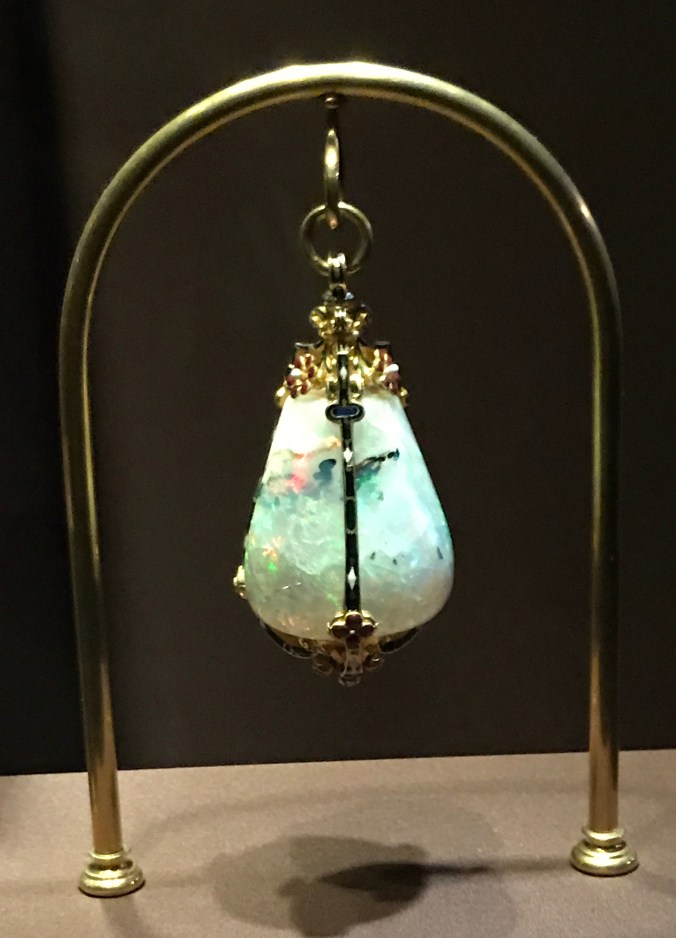 Very large opal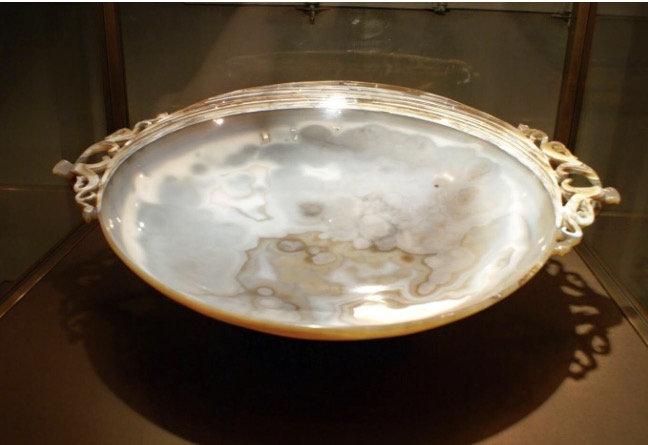

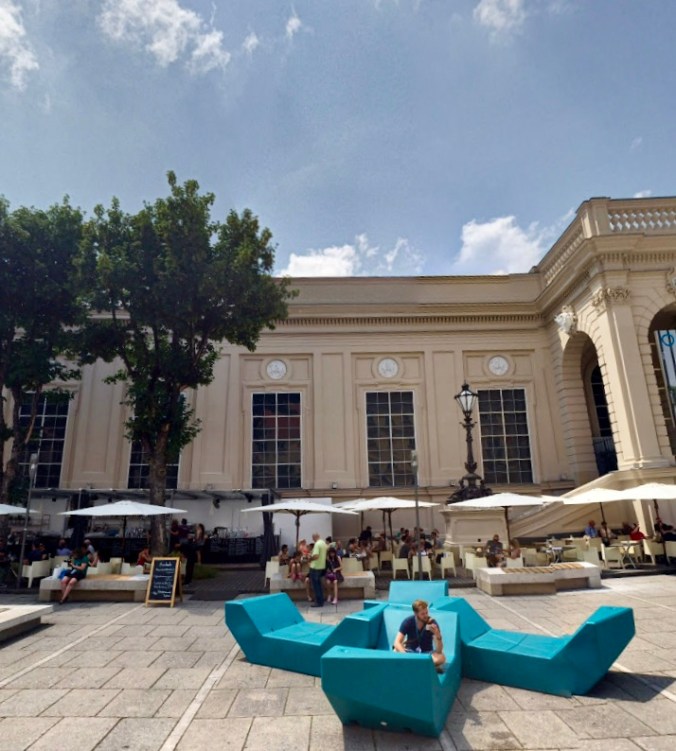
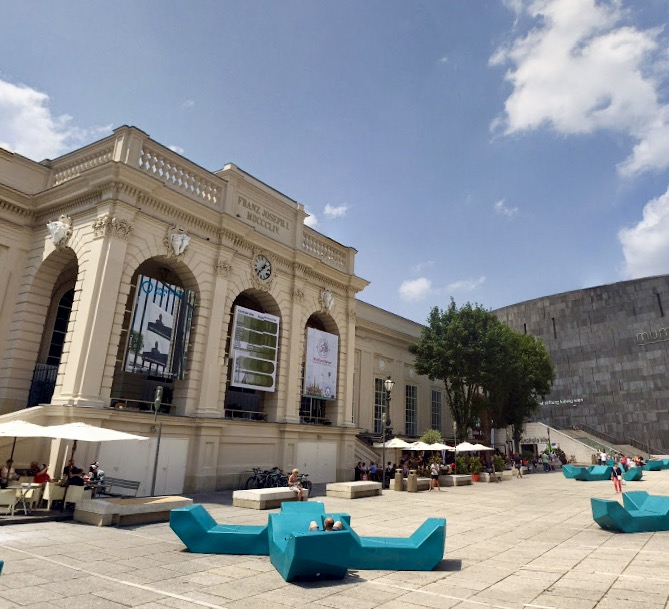
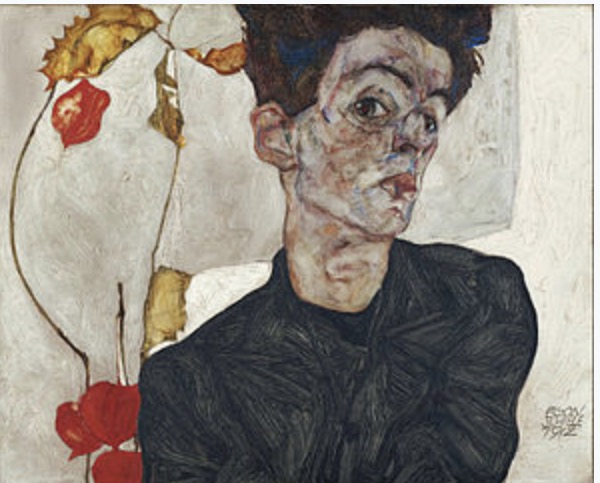
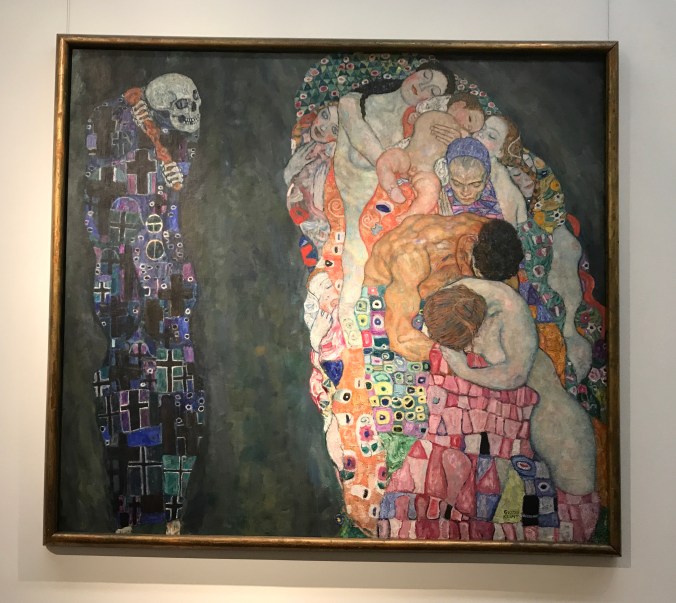
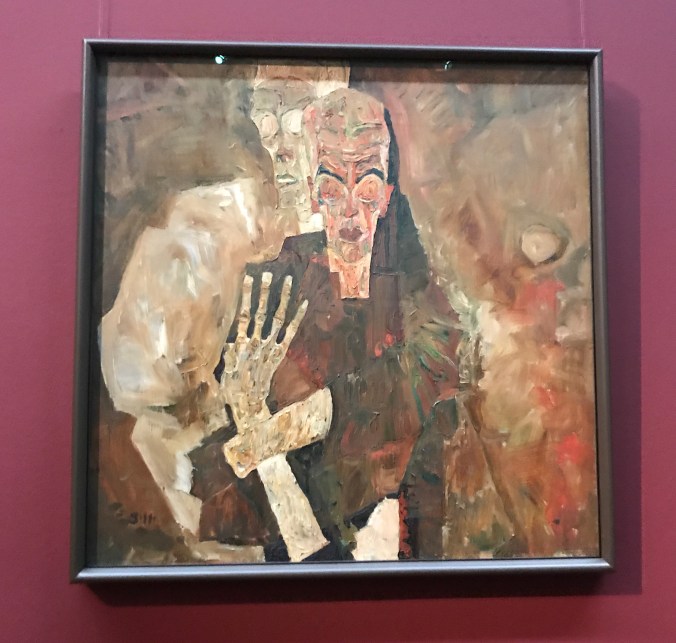
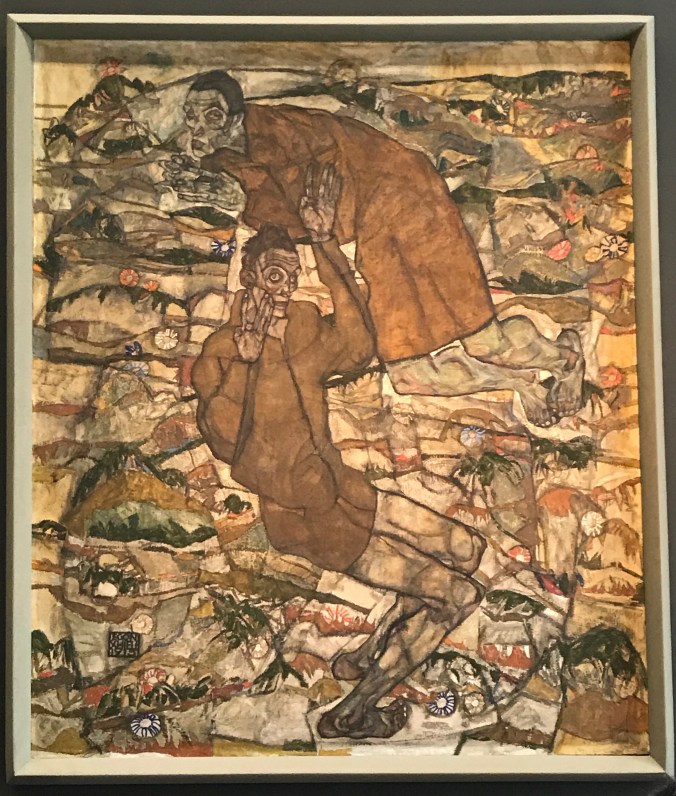
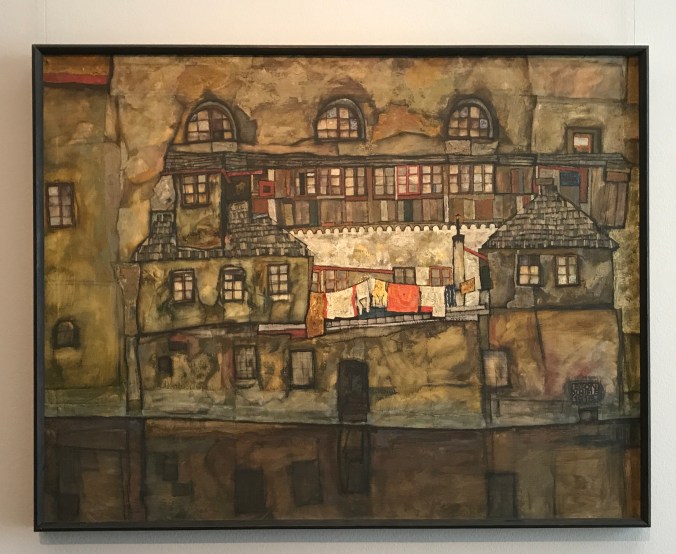
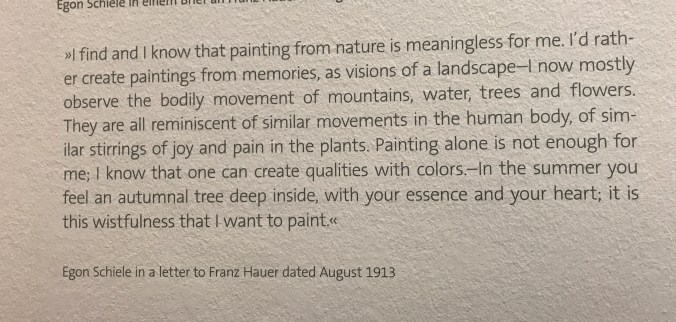
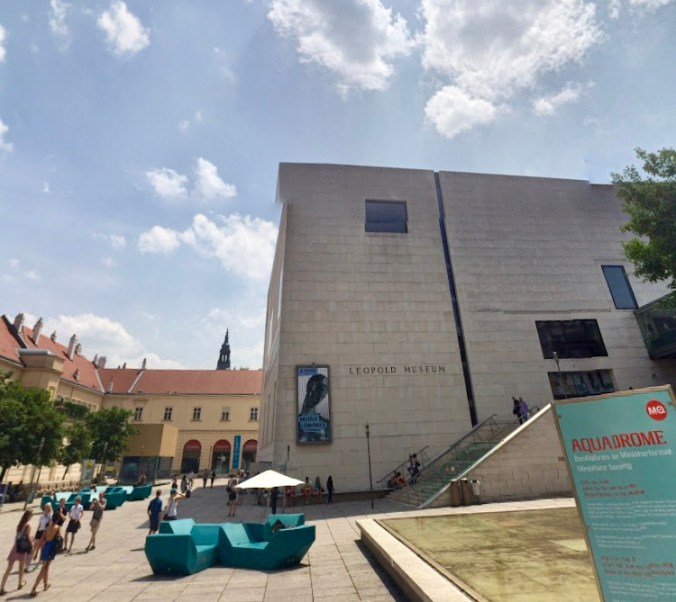 Above and below, the Leopold Museum.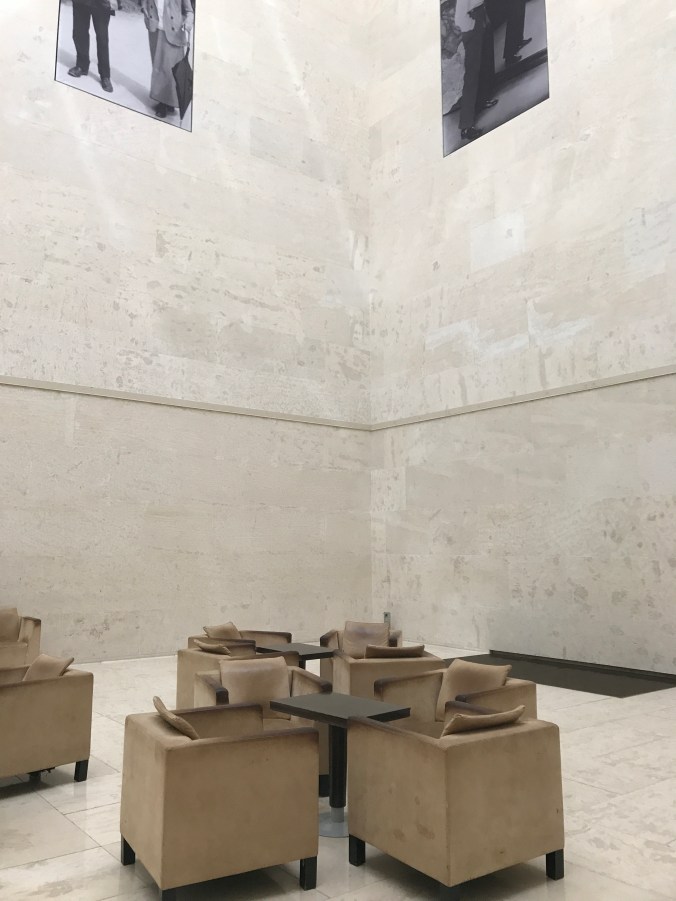



 Journey with Phyllis and Jay