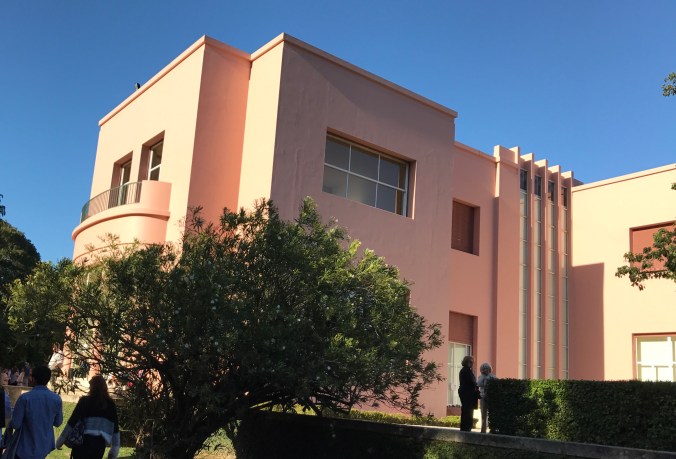
Guest blog of Barcelona

We’ve been here for a week, enjoying the sights, the food, and some down time. Jay’s taken some great pictures, many of which he’s posted, but I want to include them here, with his commentary.

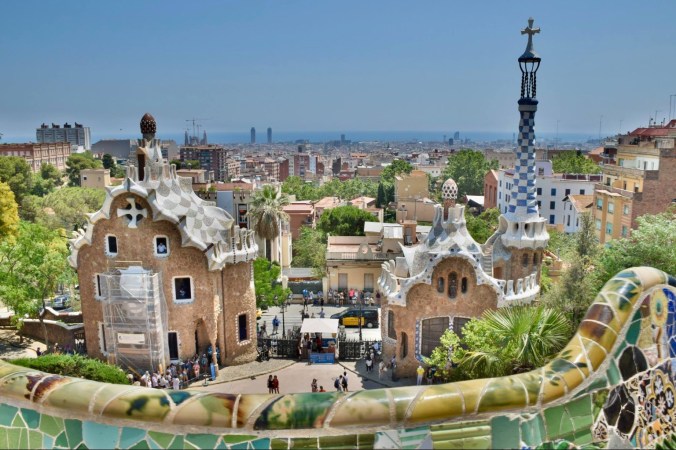
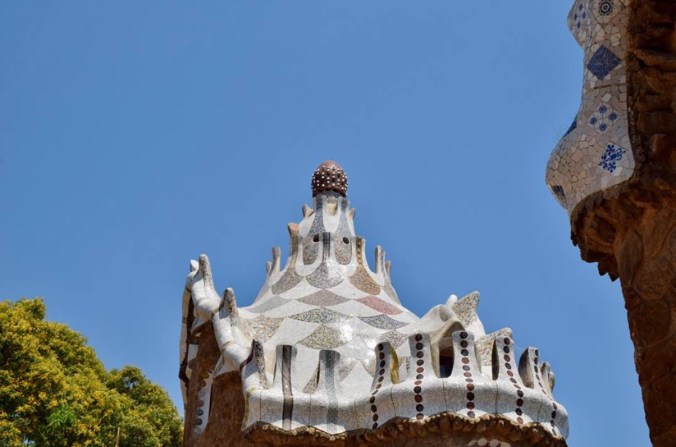
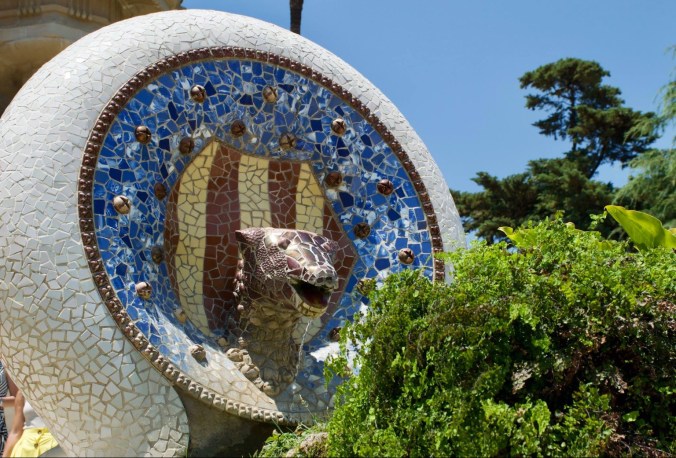
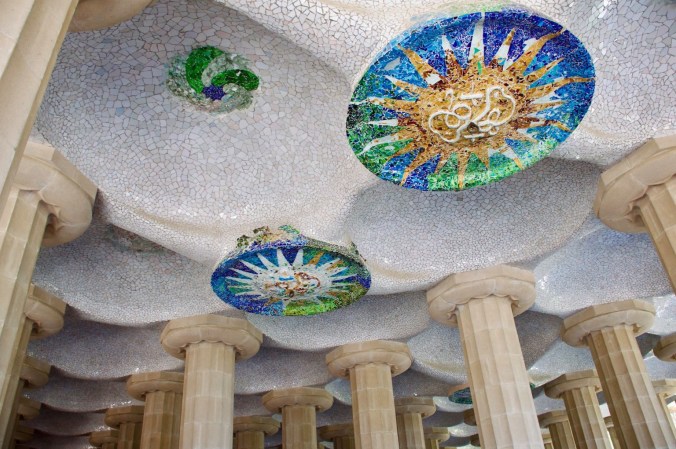
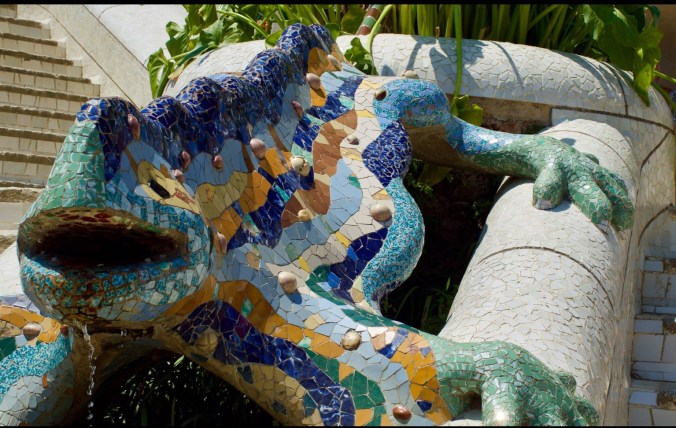
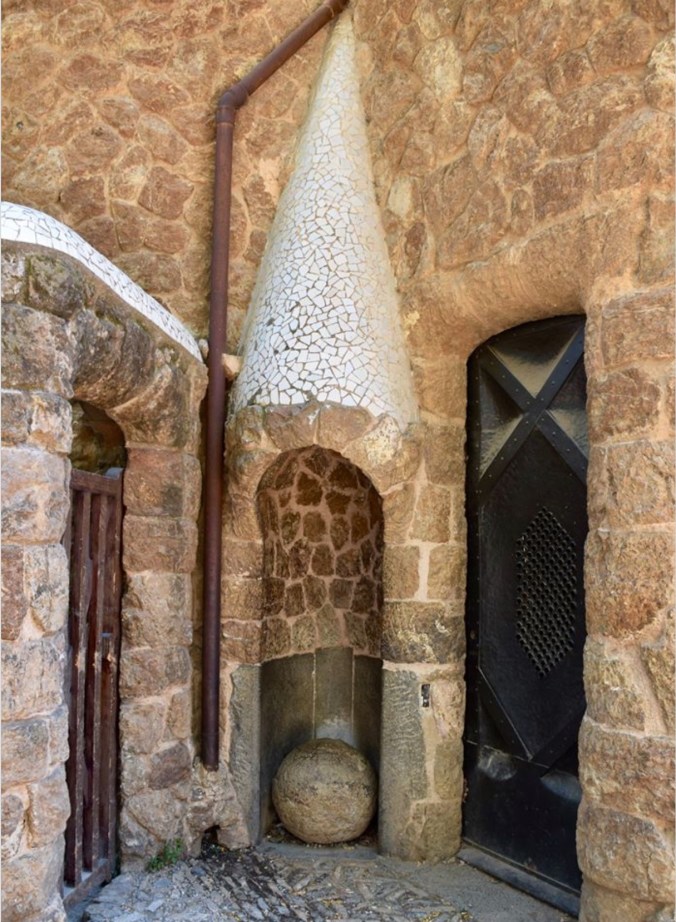
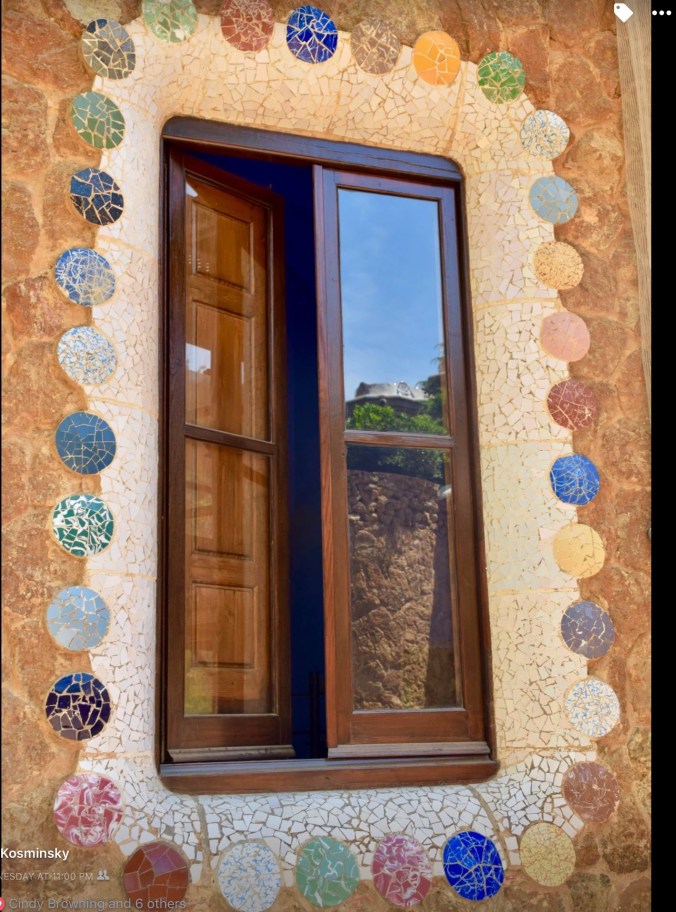
“Here are some pictures from Barcelona. The first are of a park designed by Gaudi in the early 20th century. The guy was wild! I mean he must have dropped from another planet or time, because who was doing anything like that then? Nobody.”

IMG_0109

IMG_0110

IMG_0112

IMG_0114

IMG_0113

IMG_0116

IMG_0115

IMG_0111

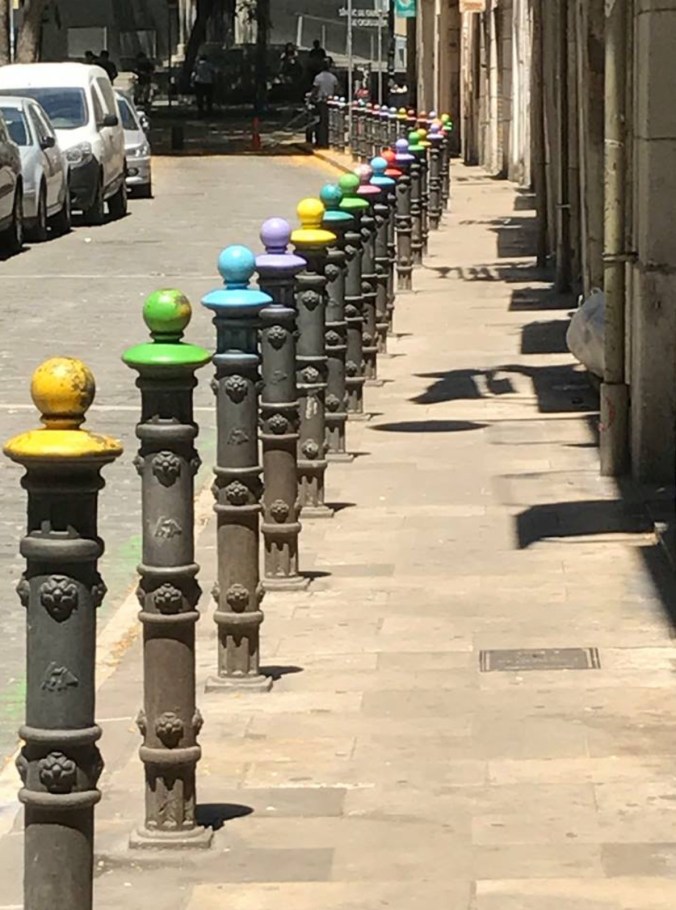
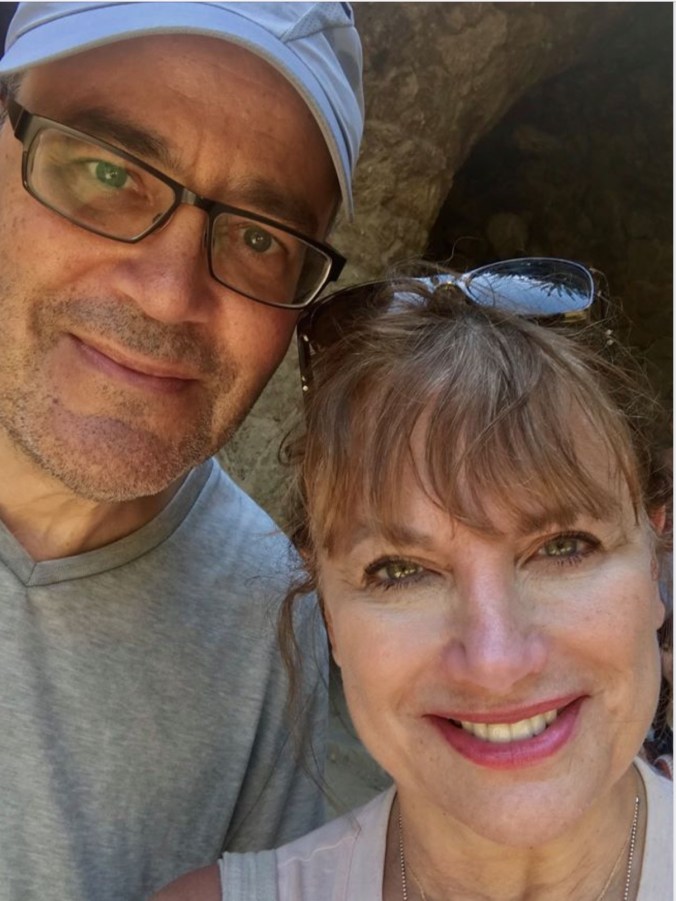
“Also some fun pictures of Barcelona and of my sweetie pie and me.”

IMG_0117

IMG_0119

IMG_0118


Beginning Barcelona

We are here for two weeks, and taking advantage of that to ease our way into the city. We’ve been exploring the various neighborhoods, the old, the new, the gothic, the cosmopolitan. Today we had our first look at Gaudi, whose work is beyond.

Just, beyond.

IMG_0780

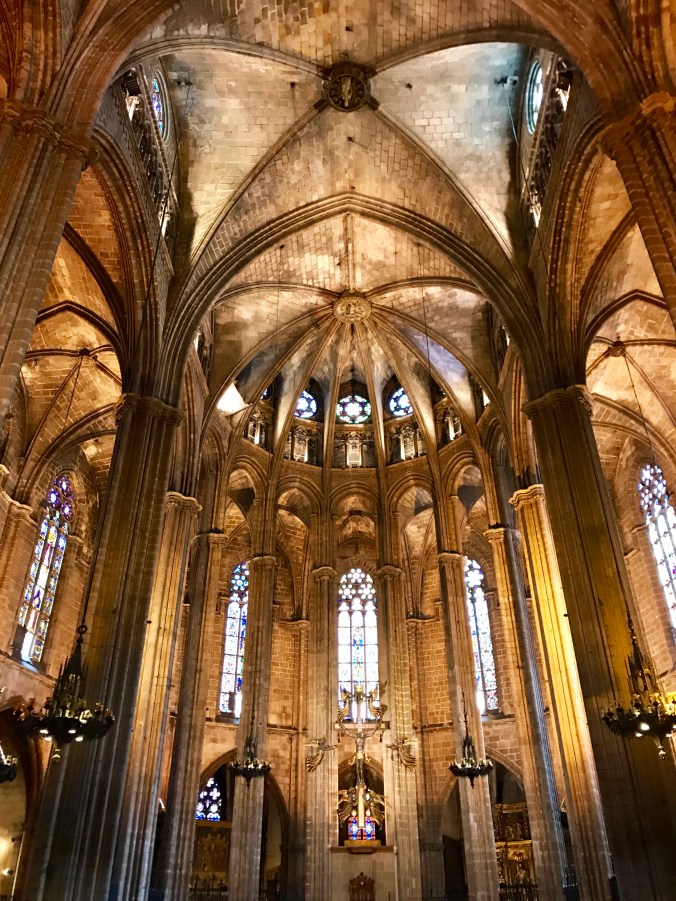
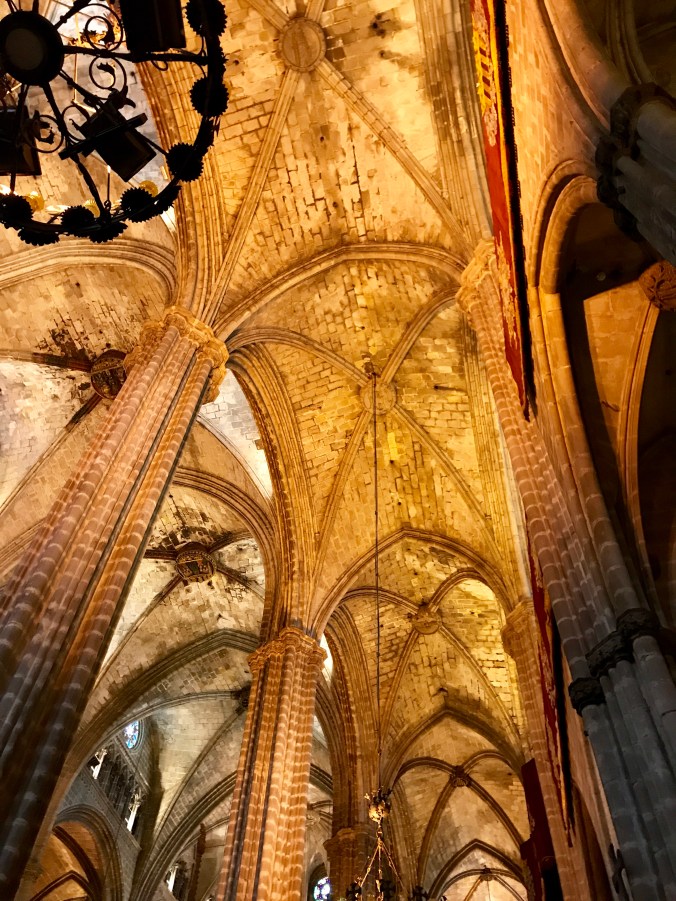
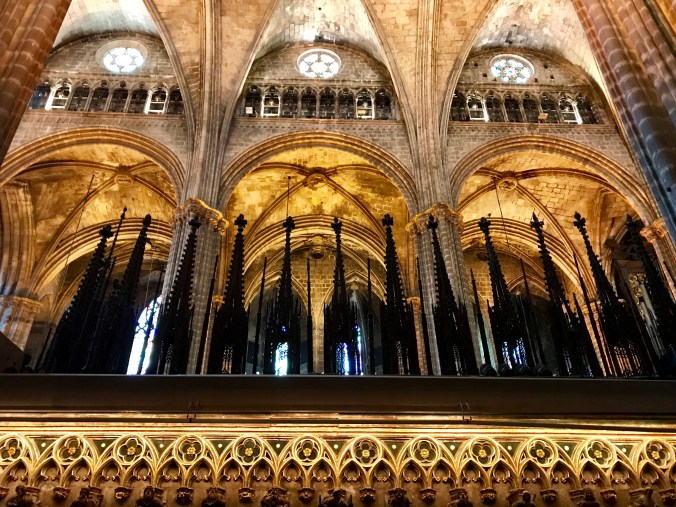
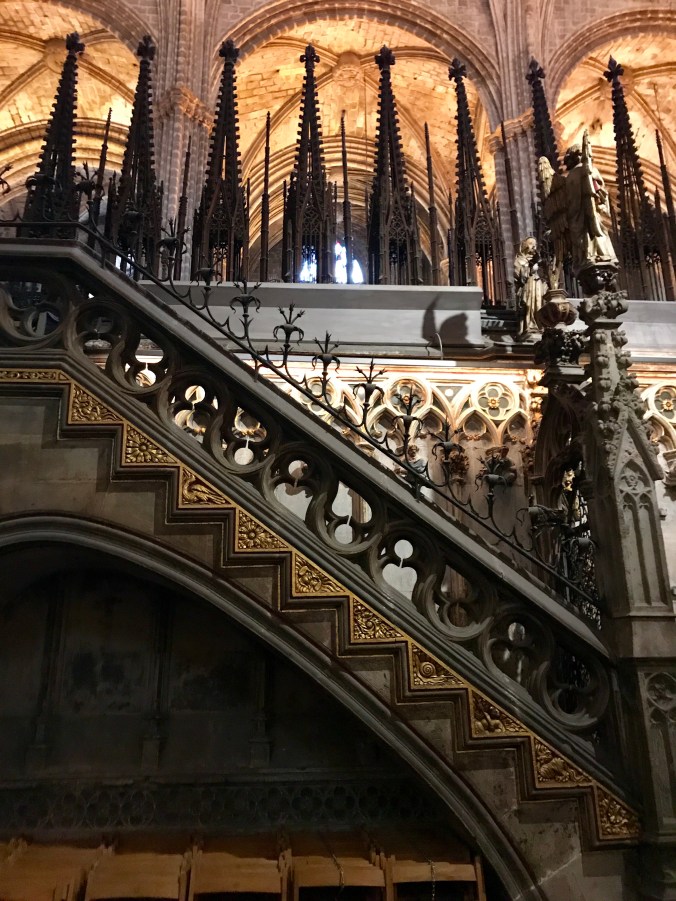
We’re saving most of our Gaudi sight seeing for later in the week, when we’ll be joined by friends from home. So we stopped by the Cathedral of Barcelona.

IMG_0096

IMG_0755

IMG_0753

IMG_0754

IMG_0770


Granada

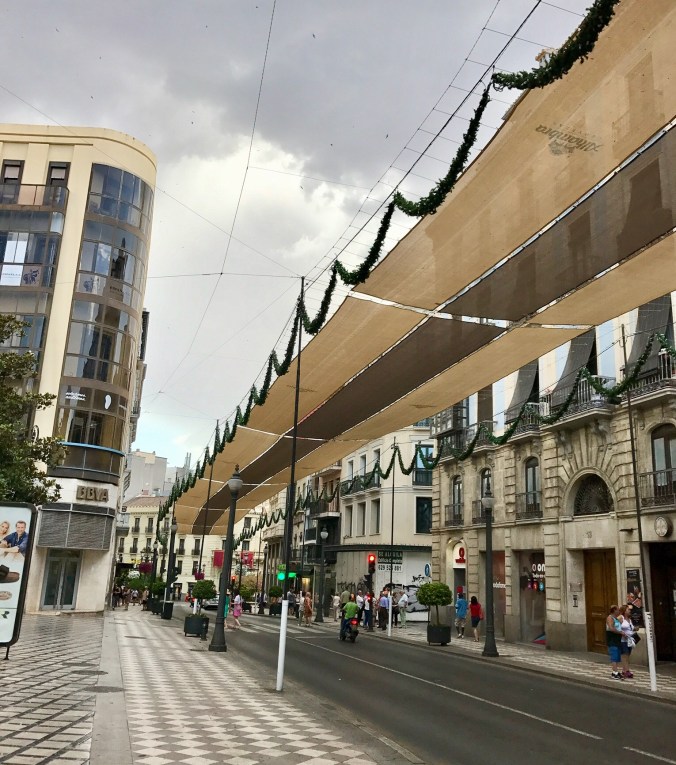
Almost too hot to go out, even though they cover the sidewalks.

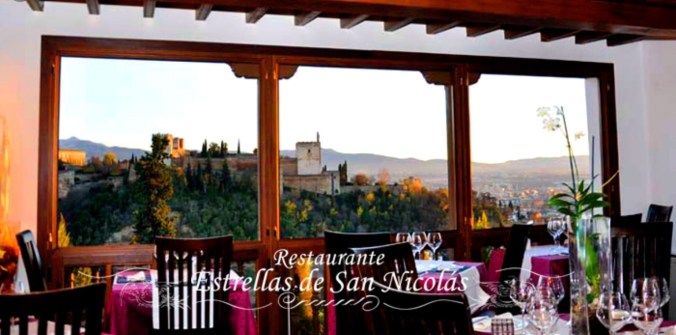
IMG_0082 But we did eventually find our way to the Cathedral, and from there to a great restaurant where Jay had cod in yet another form and I had a fantastic mojito. Oh, and food also.


I had the scallops.

IMG_0088IMG_0087In Granada we stayed at Santa Isabel la Real, a restored house from the 16th century.


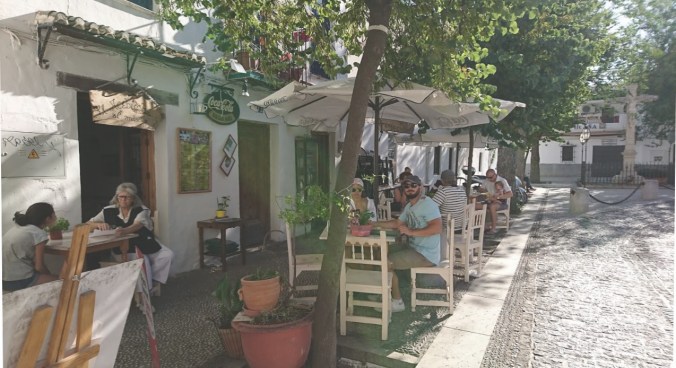
Our favorite place for lunch was Maria’s. That’s Maria sitting at the table on the left.

IMG_0094


The Alhambra

The Alhambra has always been high on my list of things to see. Like so many of the places we’ve visited, it has a complicated history that involves plenty of misery and bloodshed. Originally built as a small fortress in 889 A.D., it was expanded and converted into an Islamic palace and fortress complex in the 13th and 14th century and was occupied by a series of Muslim sultans until 1492, when the city fell to Christian armies.
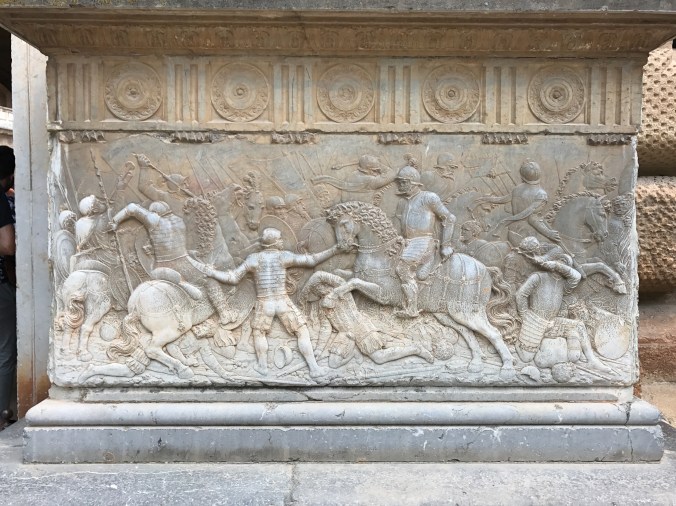
IMG_0650At the entrance to the Palace

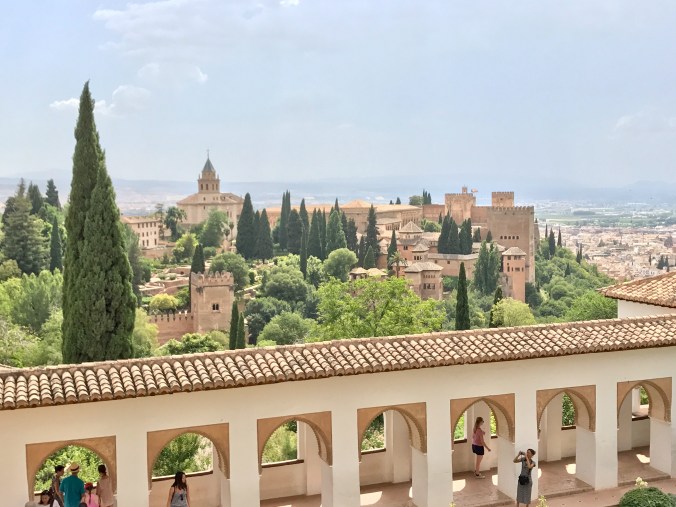
We had a wonderful guide who spent several hours with us. We began our tour at the summer home built as part of the complex: it’s called the Generalife. It was designed as a place apart from the palace, which was always felt to be a place of business. This is where the royal family – the emir, his wives and concubines – went to relax and cool down. Given that it was 100 degrees when we were in Granada (most unseasonable, according to our guide) we were happy to be out of the sun.

IMG_0746

The Generalife is surrounded by lush gardens, but these were added later by the Europeans. The original gardens were planted with vegetables.

There are lots of open spaces and great views. The open spaces were outfitted with cushions, low tables for comfortable entertaining.

IMG_0630IMG_0641

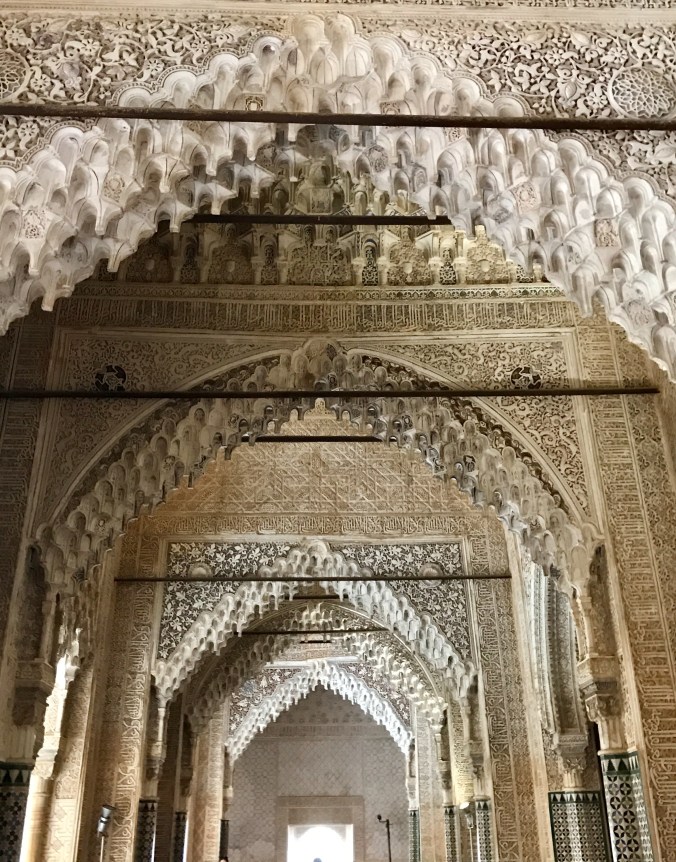
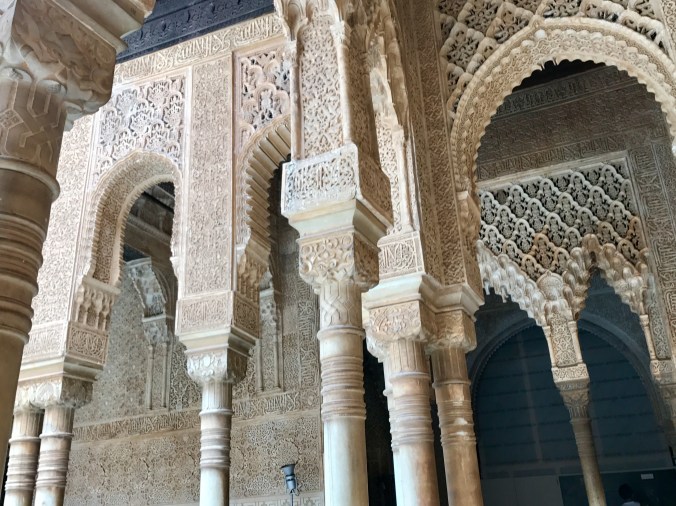
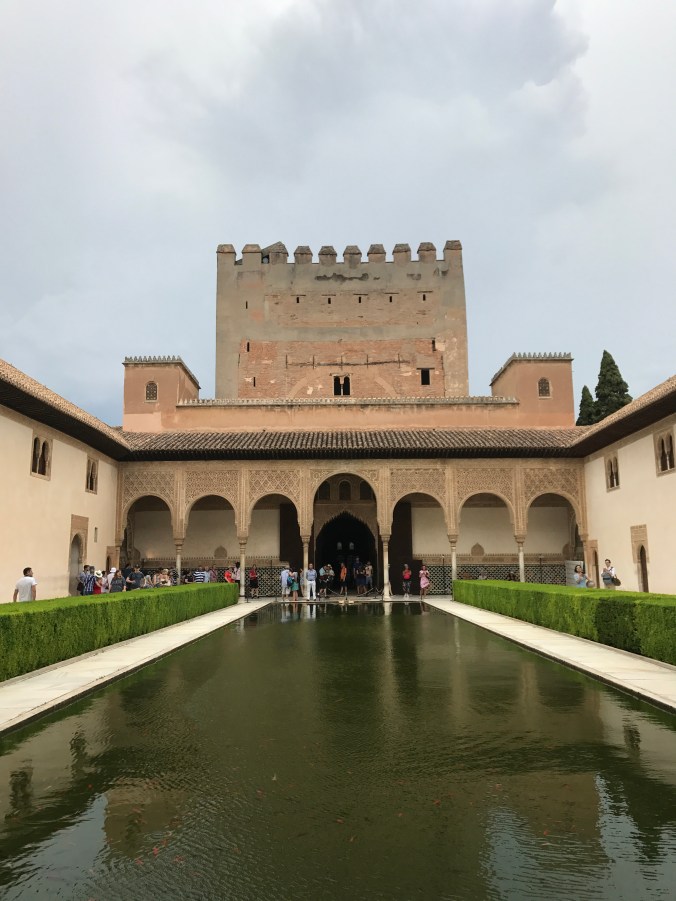
Next we visited the Palace, the Alhambra of my imagination. The entrance is similar: the water in the center was an important design element.
IMG_0668

The Palace appears to have two doors –
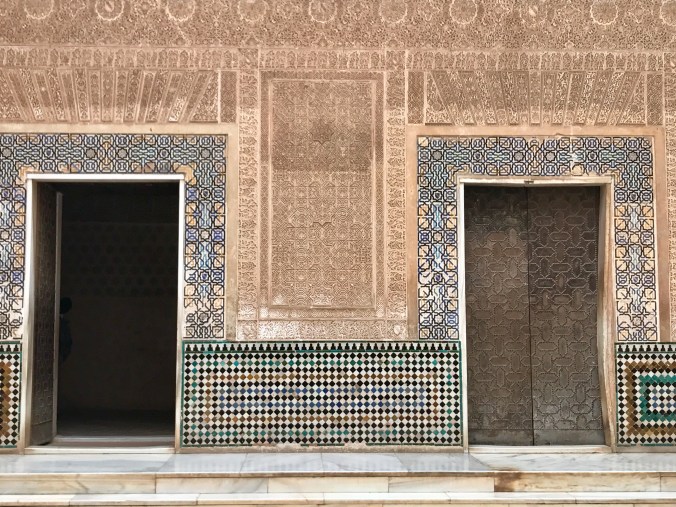
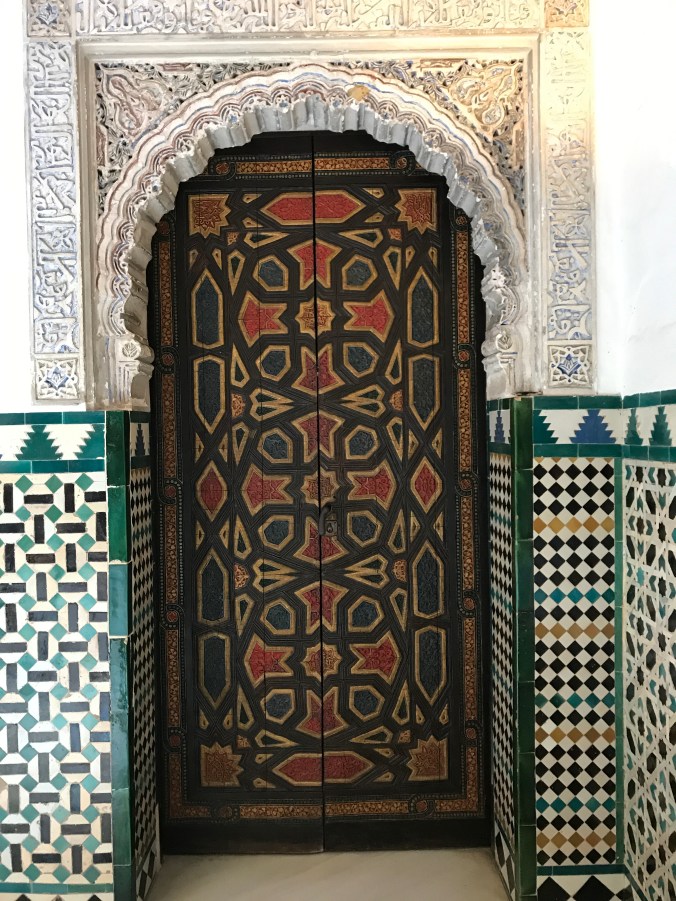
IMG_0656– but really there’s only one! The door on the right is false, and was designed to fool invading armies, who would presumably waste time trying to bash it open.

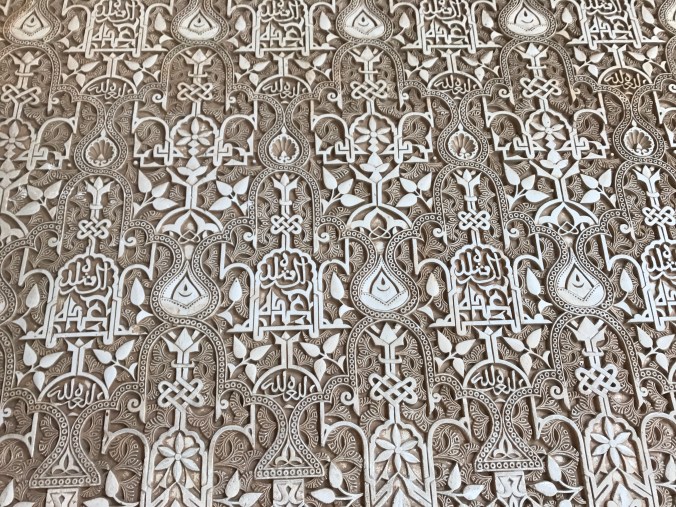
The outer simplicity of the Alhambra is deliberate – all the richness is on the inside.

IMG_0678

IMG_0692IMG_0691IMG_0679

Here is the Sultana’s room. The two windows represent her two eyes.

IMG_0701

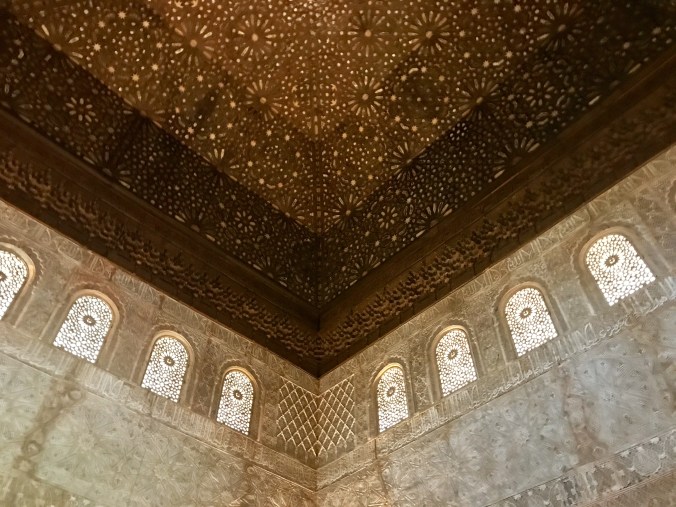
Below is the biggest room in the Palace. It’s where the sultan received guests. He would sit at the back of the room, with the light behind him: visitors could only see his silhouette.

IMG_0660

A better look at the ceiling:

IMG_0662This is also the room where in 1492 Christopher Columbus asked the newly empowered Christian monarchs Ferdinand and Isabella to authorize his expedition.

It’s  also the room where, that same year, Isabella signed the decree expelling the Jews (200,000 of them) from Spain.

Back to the Sultan: he was allowed four wives and as many concubines as he could support. This was the area they occupied the Harem – a word that contrary to popular understanding means ‘home’.
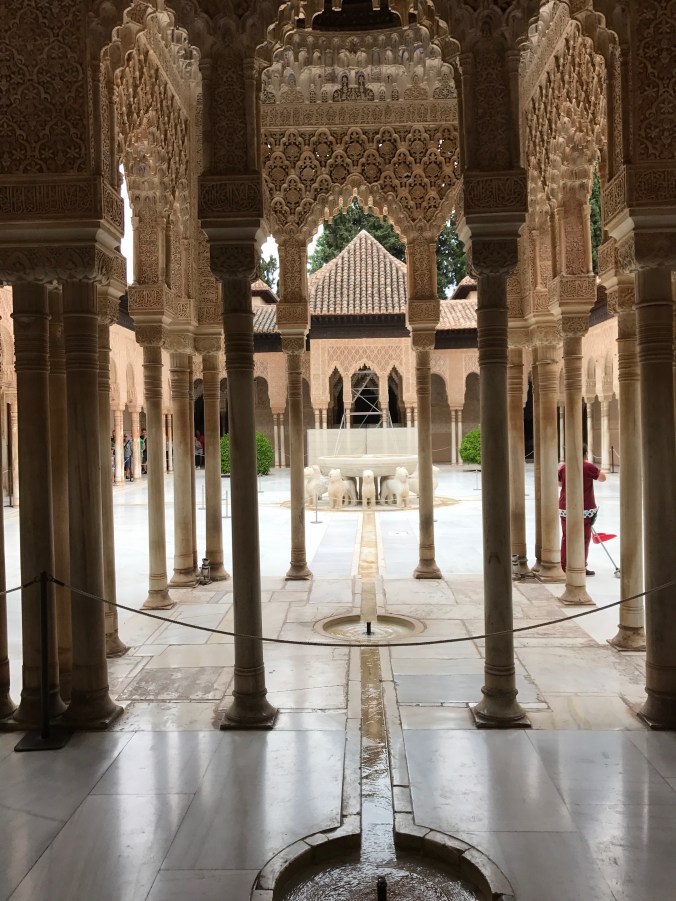
IMG_0674IMG_0672

More on Granada to come.

Seville, briefly

A few days here, just enough to see some of the sights, learn some history from a wonderful guide, and eat some great food.

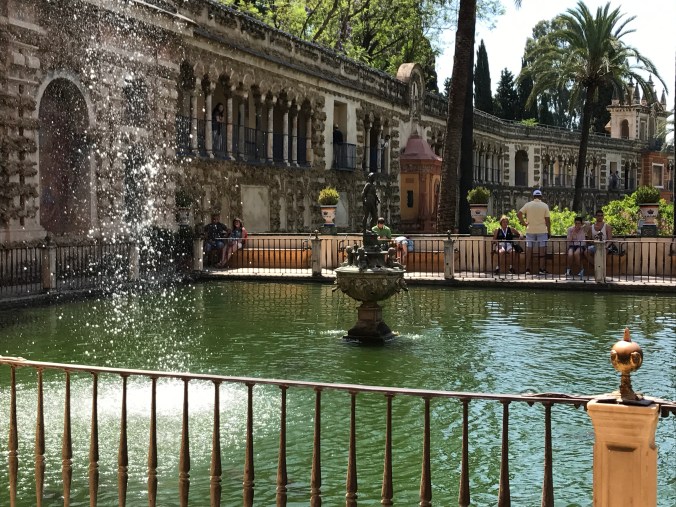
The Alcazar, a spectacular  palace originally built by the Moors, rebuilt  by generations of Christians, an amalgam of styles, home to the royals when they’re in town.

IMG_0545IMG_0549IMG_0583IMG_0584IMG_0547IMG_0539

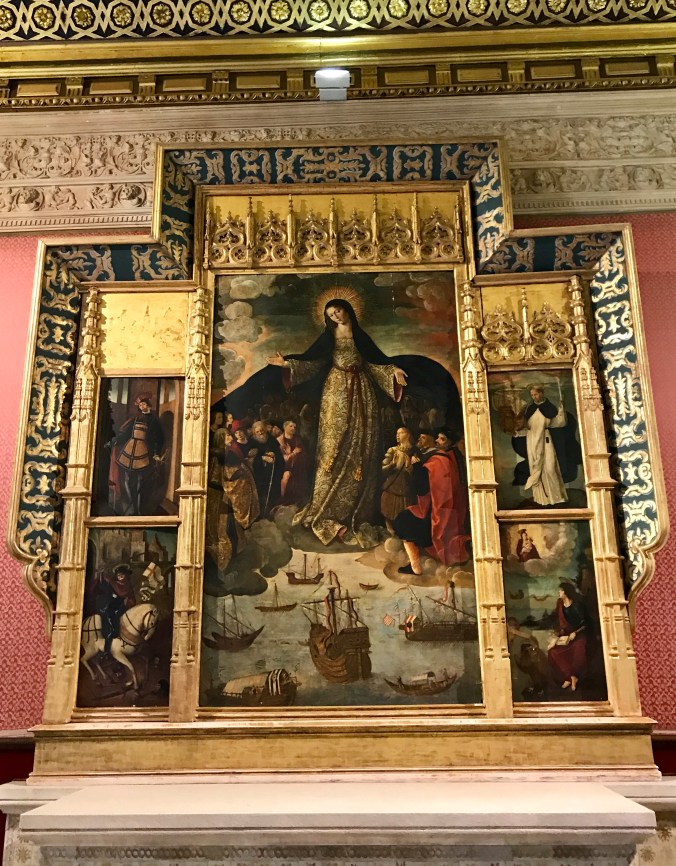
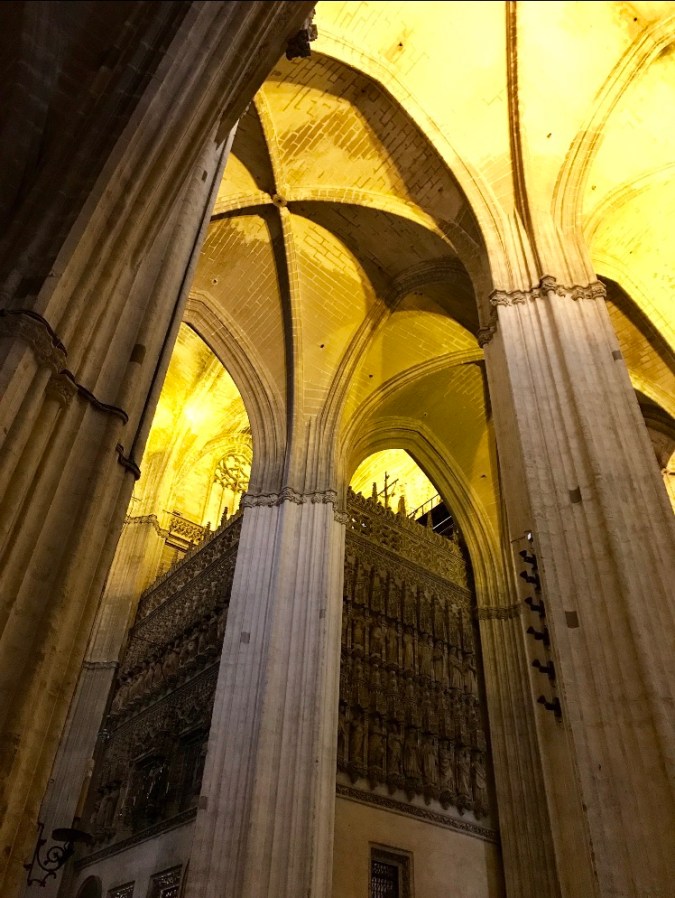
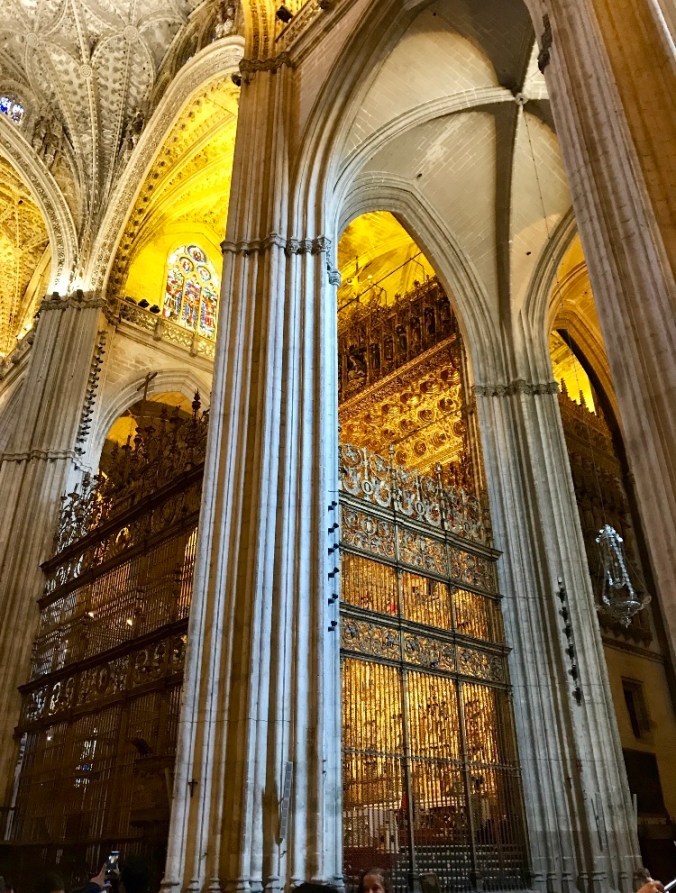
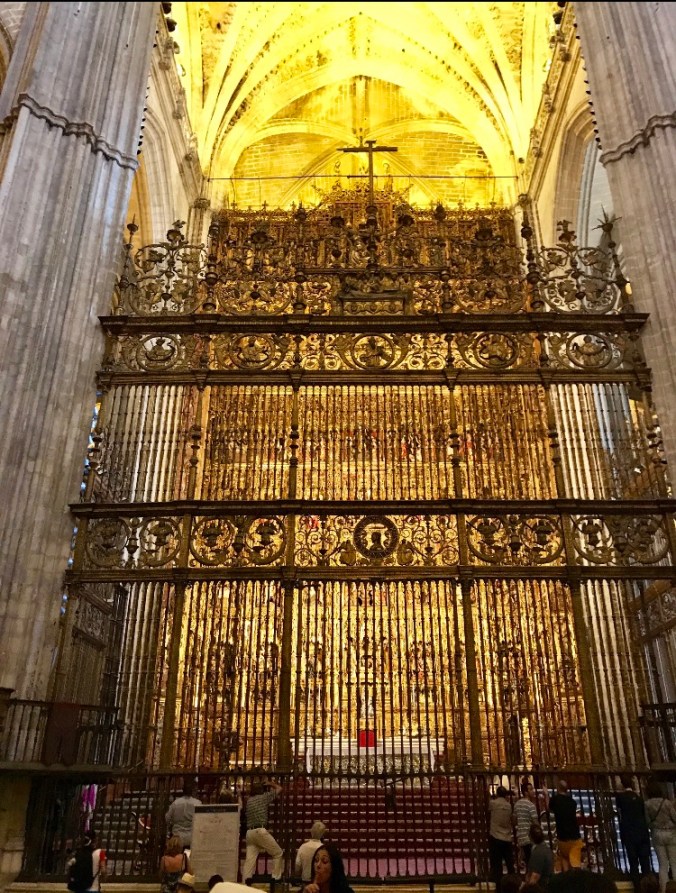
Then on to the Cathedrale de Seville. Beyond description, beyond capturing.

IMG_0559

IMG_0594

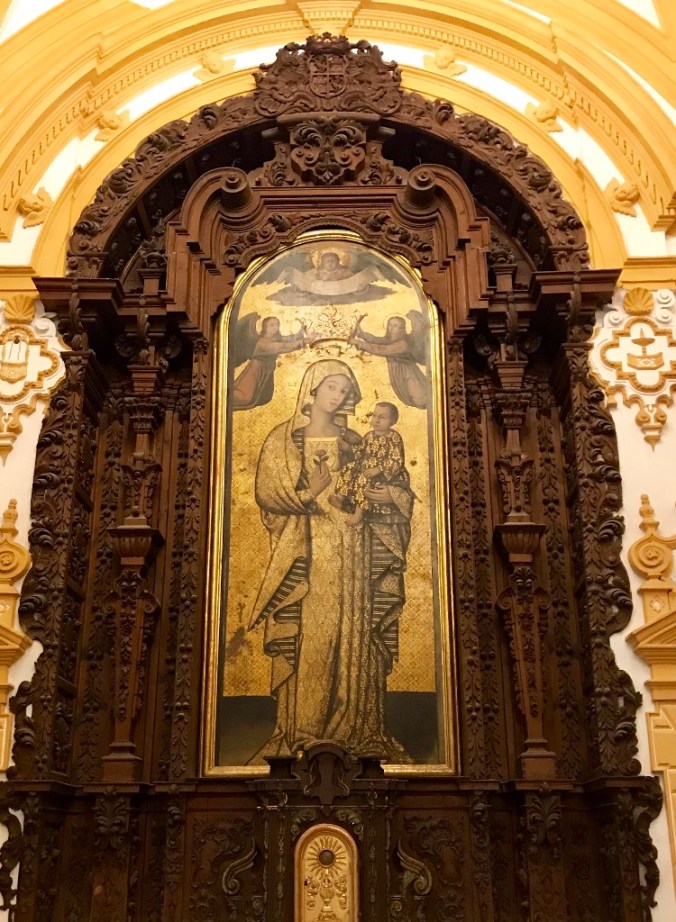
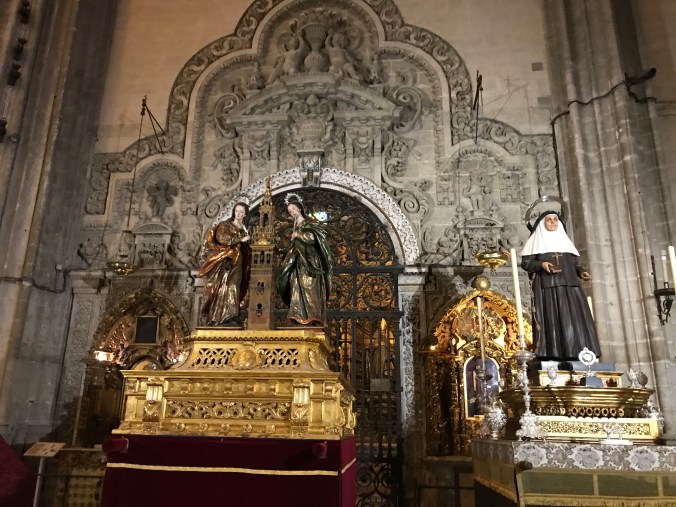
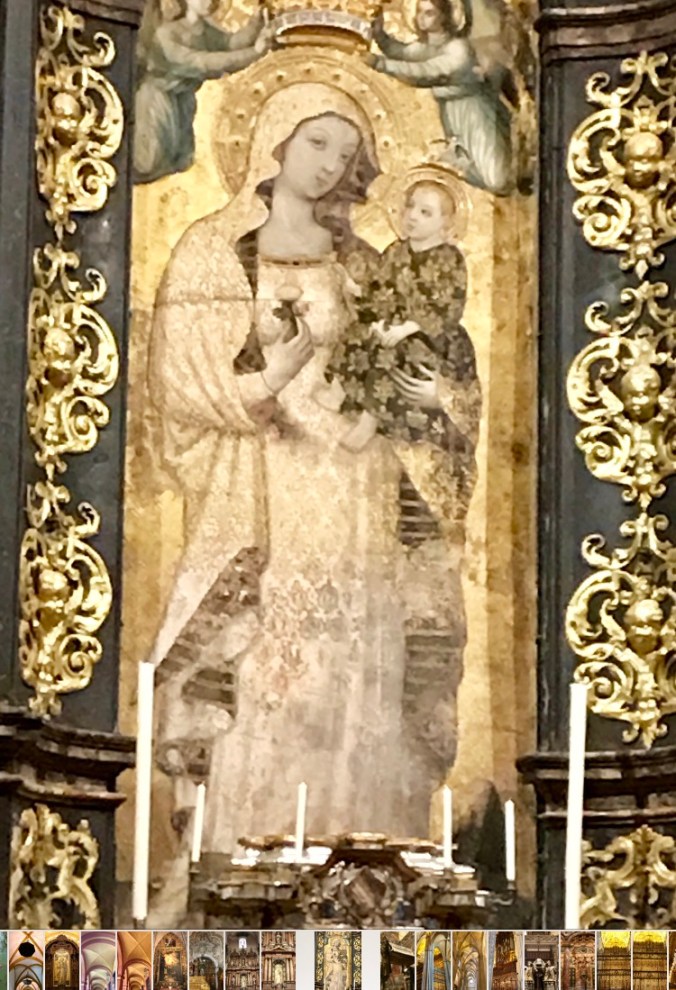
IMG_0587IMG_0592A chapel in the Cathedral. Some of these were originally built as private chapels by wealthy families.
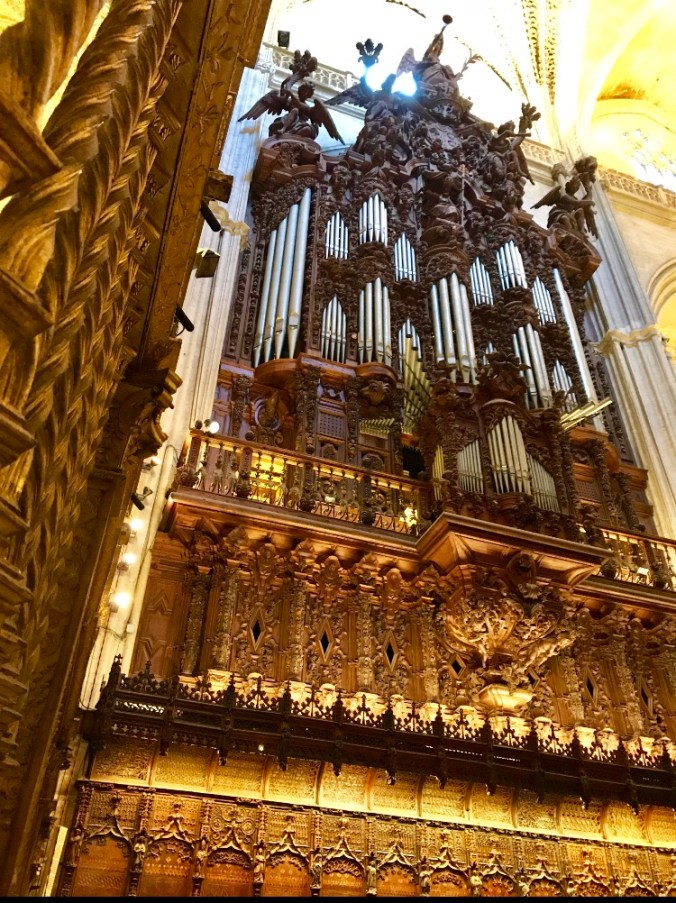
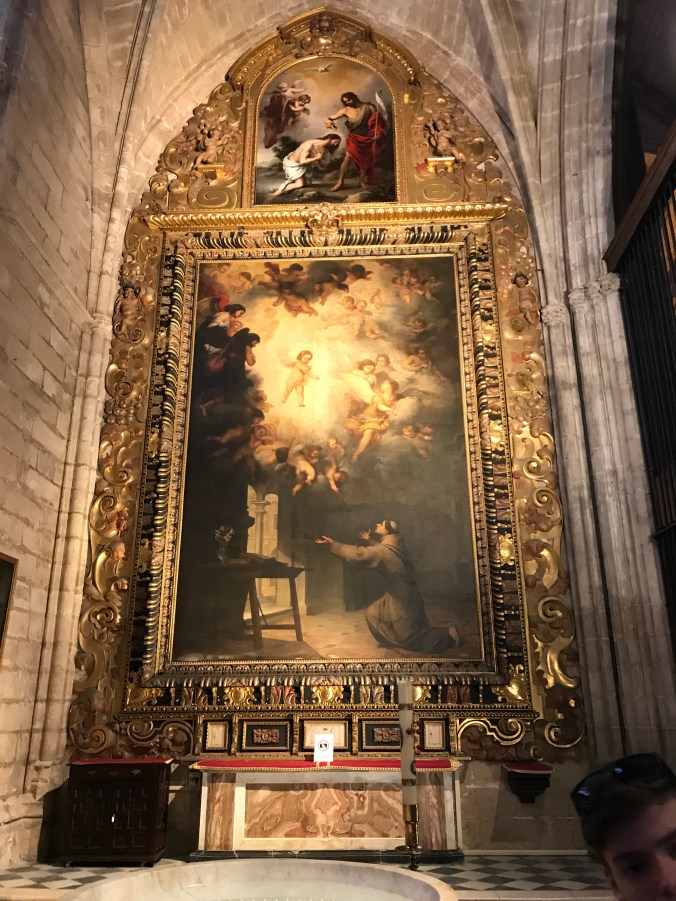
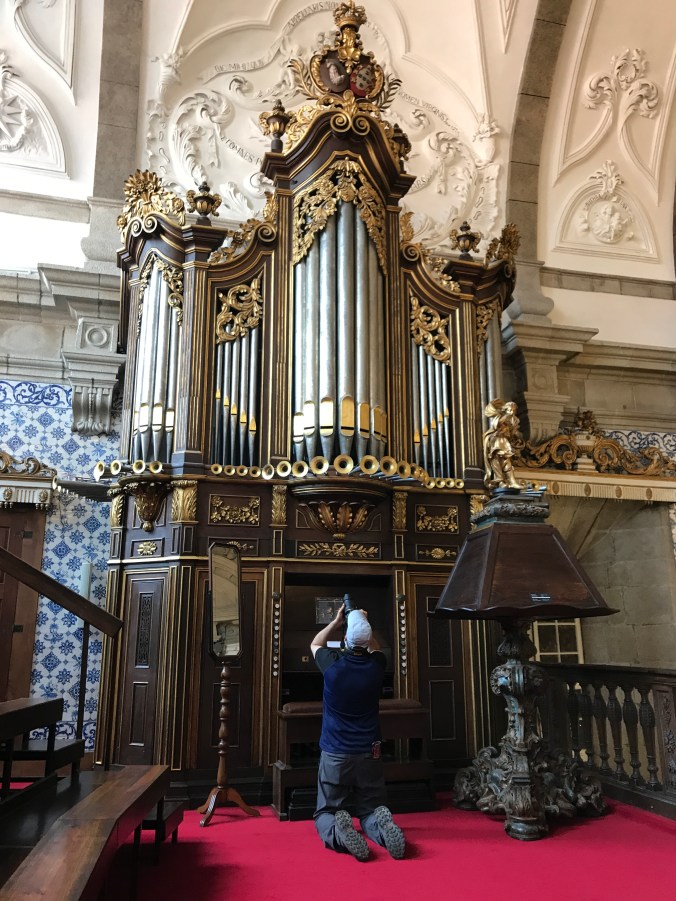
The organ is the second largest in Europe.

IMG_0593

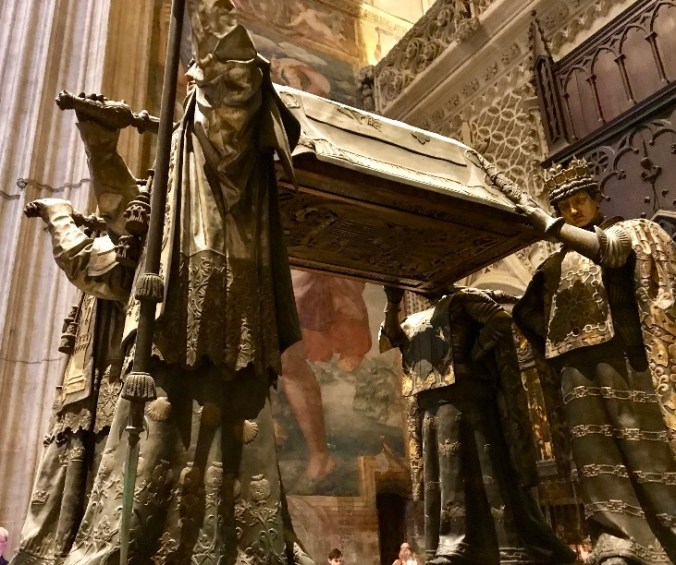
This tomb holds the remains of Christopher Columbus.

IMG_0586

More from the Cathedral.

IMG_0558

IMG_0585

Museo Gubenkian, Lisbon

The collection spans 5000 years of art, sculpture and decorative objects. It’s a relatively small museum so you can see everything, and all of it is beautiful.

I liked this bronze barge from 380-343 B.C.

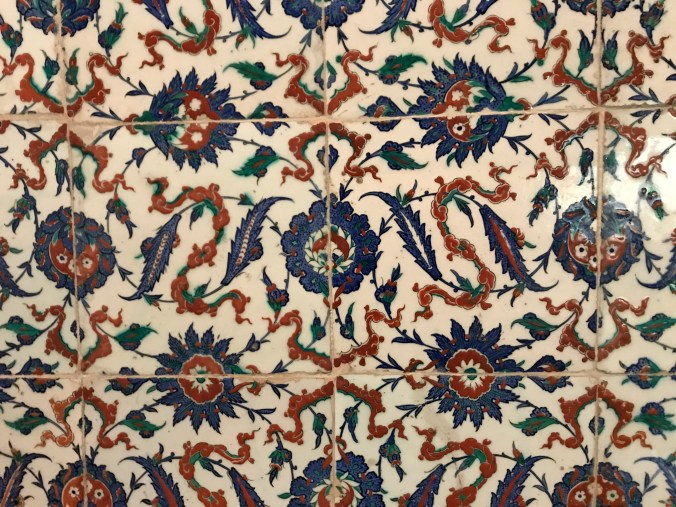
And this panel from 16th century Turkey:

IMG_0483

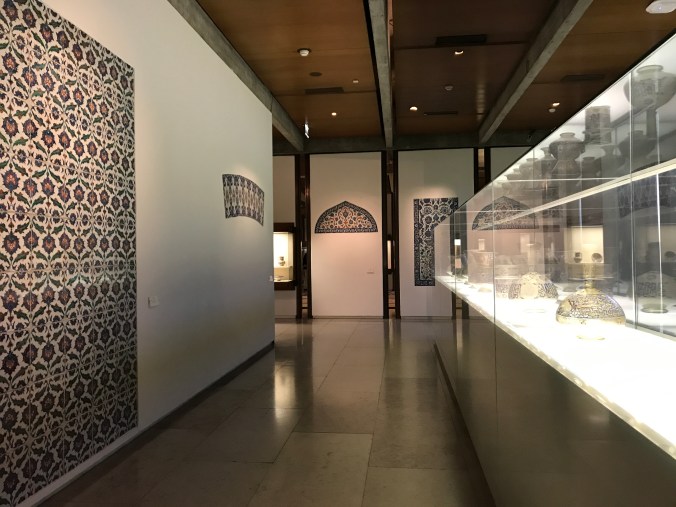
A gallery in the museum:

IMG_0485


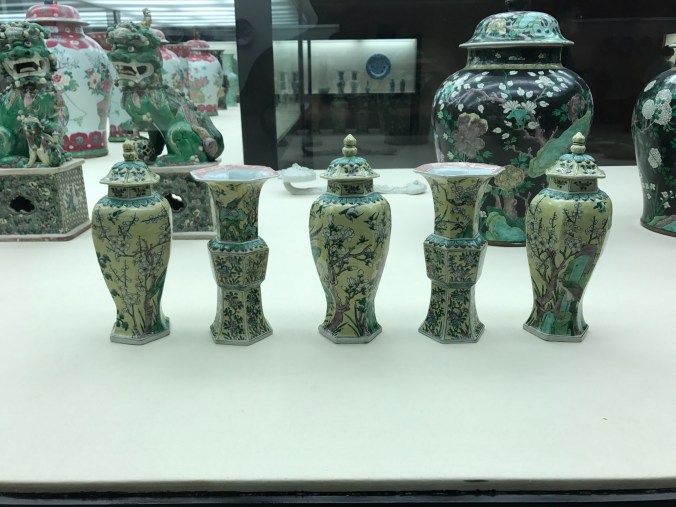
This type of matched set of vases and jars is called a “garniture”.  They were originally used in China as alter pieces. Garnitures later became popular decorative items and were a sign of the family’s wealth.

IMG_0486

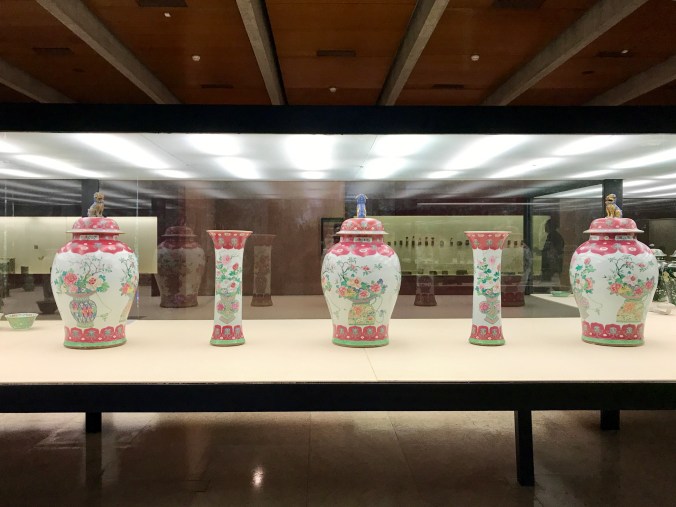
The very impressive garniture below is close to two feet high. Hard to imagine where they put it.

IMG_0489

The gardens surrounding the museum are very special and were created to harmonize with the galleries.

IMG_0496

I was especially taken with the ducks and turtles.

It’s a very good place to be a duck.

“Look at me! I can stand on my head!”

Sintra

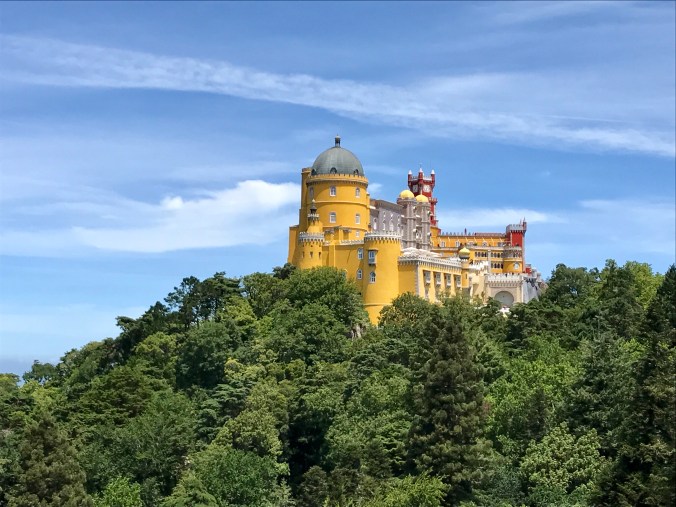
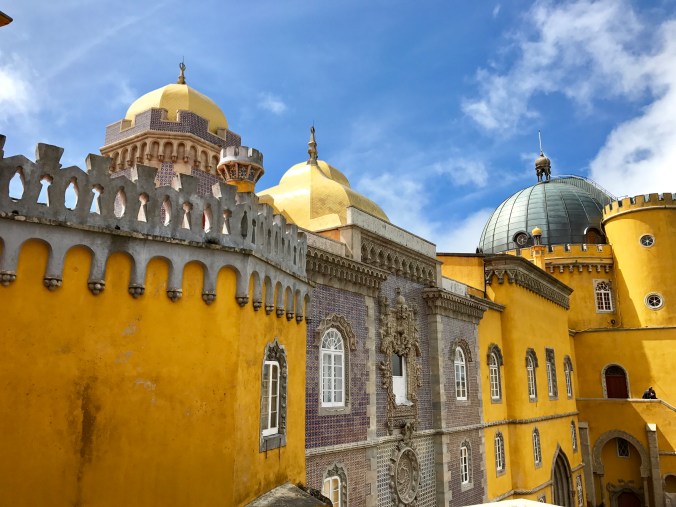
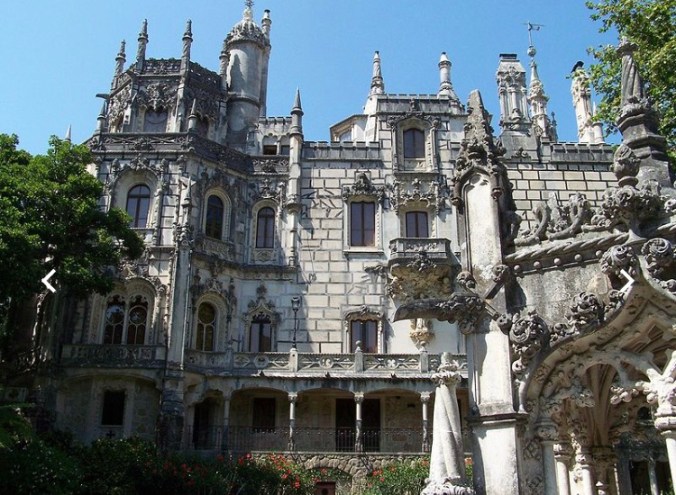
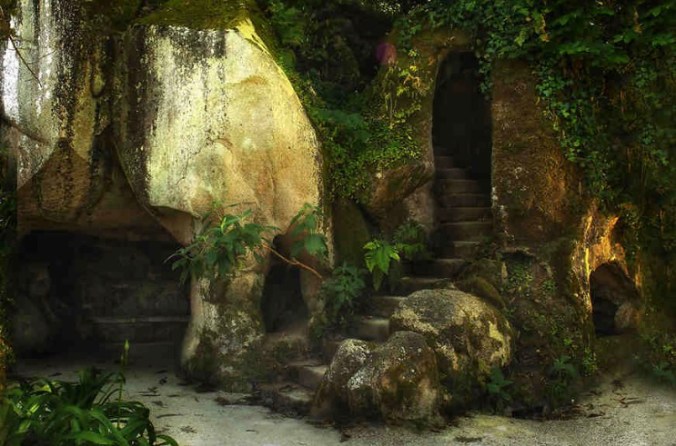
We arrived yesterday in Lisbon and decided to spend today in Sintra, a town we visited and loved many years ago. So many more tourists than on our last visit! Fortunately we got an early start and were able to stay just ahead  of the crowd streaming toward the sights. Here’s the Pena Palace.IMG_0439IMG_0421After lunch we visited the Quinta da Regalia, an estate near the historic center. The Palace looks kind of spooky – the real attraction is the grounds, which are full of hidden grottoes,  waterfalls, underground tunnels, and statues.
IMG_0471

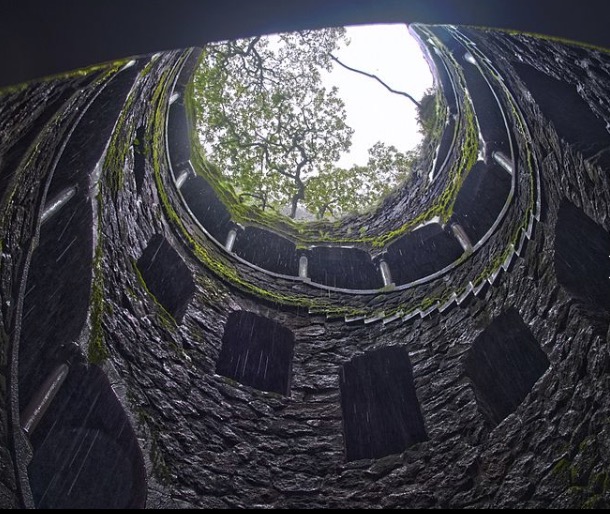
View from the bottom of one of the “initiation wells” used for “ceremonial purposes”:

IMG_0472

This guy is looking toward the  Palace, pictured below.

IMG_0459IMG_0470

Seven miles, ten hours

Yes, this is how many miles we walked on Sunday.

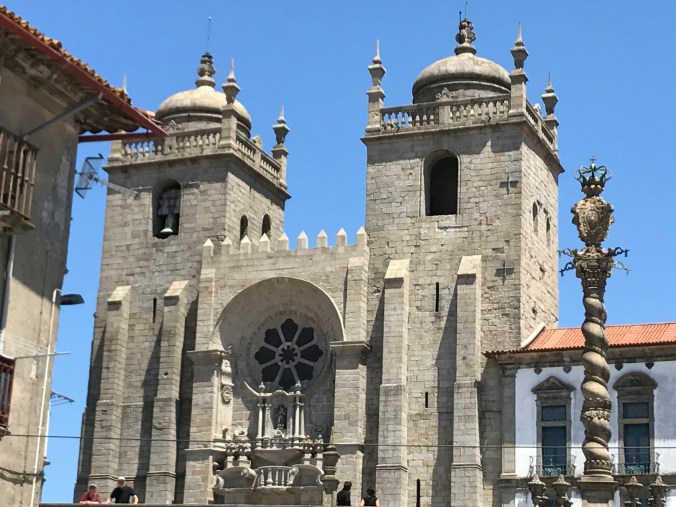
Here is the Se Cathedral.

IMG_0208

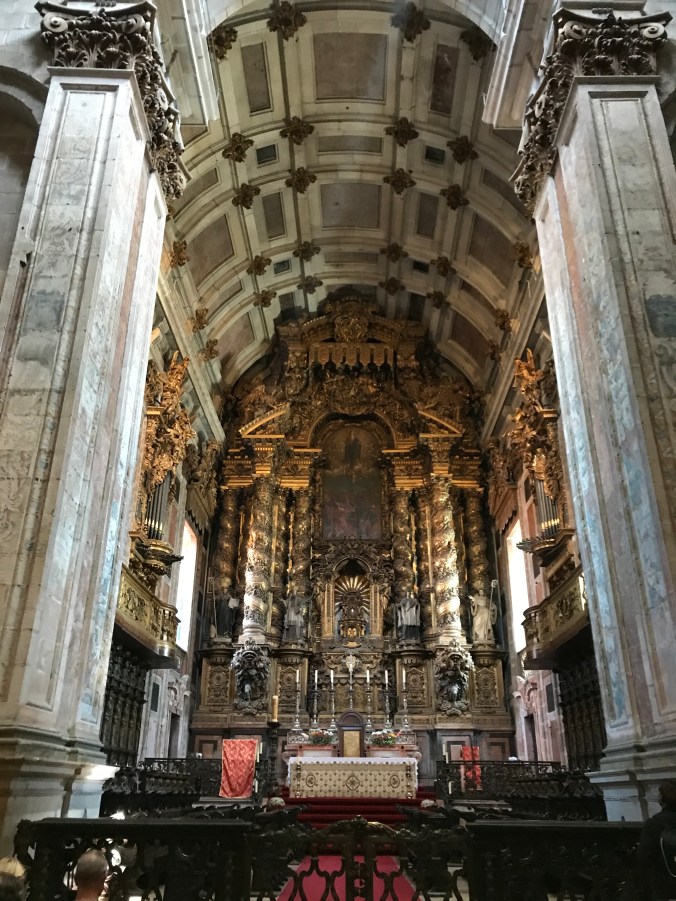
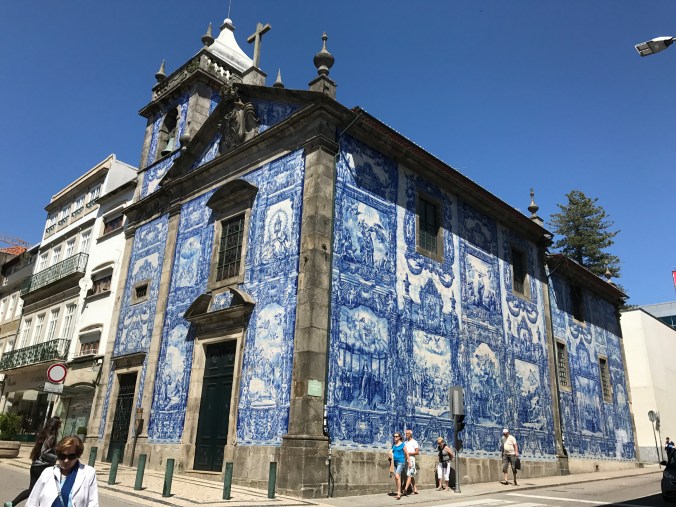
Like all of the churches in Porto, it is an eye popping example of Baroque artistry and is covered from floor to ceiling in gilded carving.

IMG_0216

Here is a view of the street below the Cathedral. If you look closely you can see the open shutter of our apartment window on the top floor of the middle building.

IMG_0207

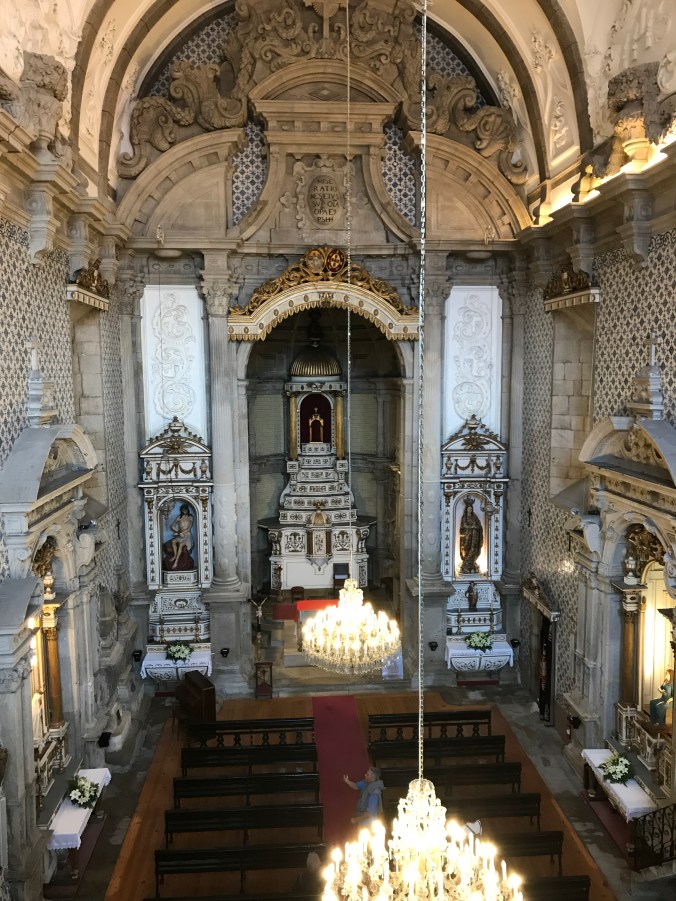
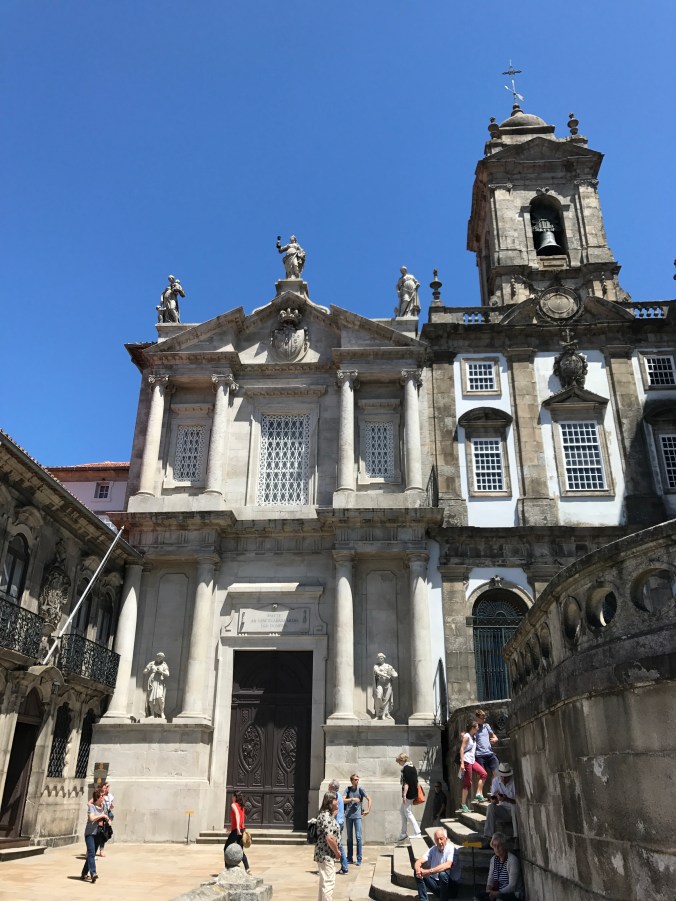
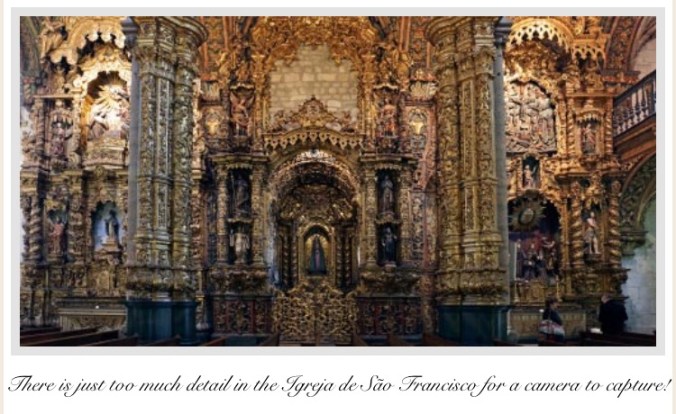
Below is the Church of the Franciscans. It is the most over the top of all the churches in Porto. No photography is allowed inside: I have included a photo from the guidebook. The Franciscans, of course, were not a flashy bunch. All of the guilded carving was added to the church in the 18th century by rich benefactors. Lots of money floating around at the time. The Portuguese Court was one of the wealthiest in a Europe.

IMG_0195

IMG_0306

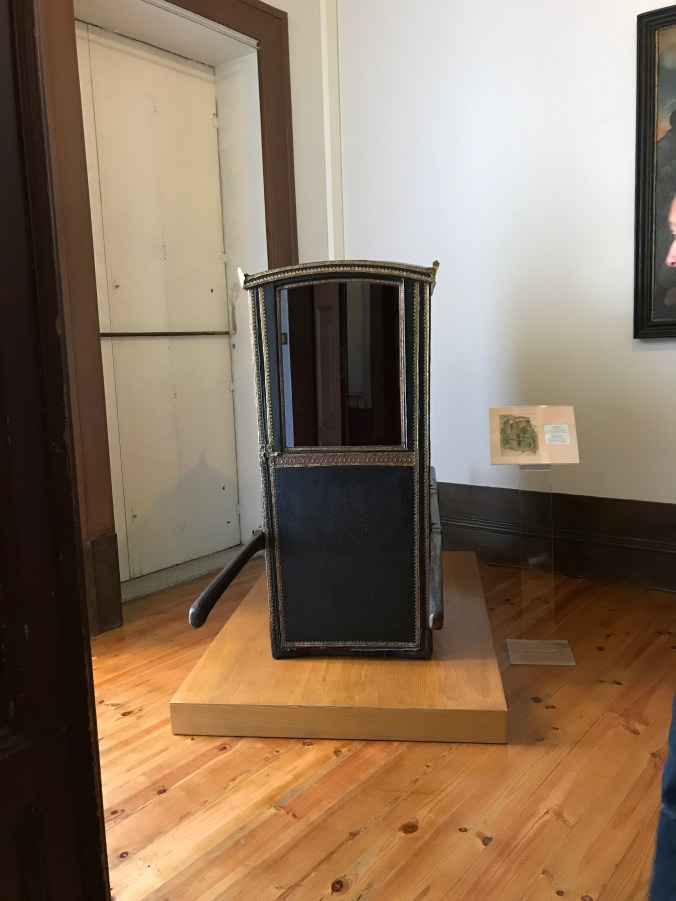
The next pictures are from the tower and museum adjacent to the Church. Here we see the upside of being a wealthy woman in 18th century Porto. The chair is described as being for the transport of “ladies and the infirm”.IMG_0206

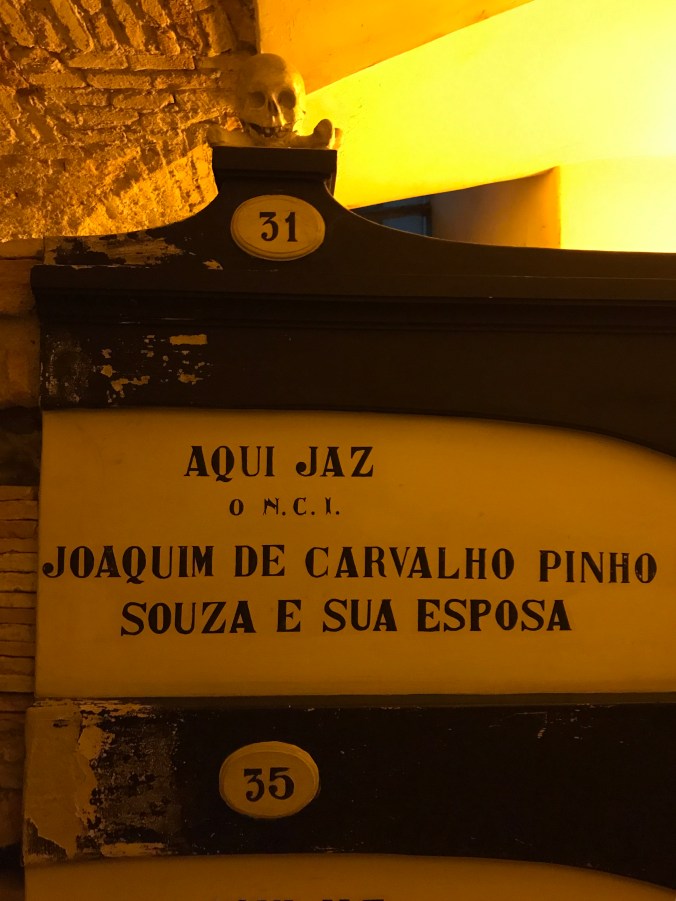
Then there’s the downside; this pic is from the catacombs in the church tower:IMG_0201

We strolled around in the afternoon.

IMG_0219

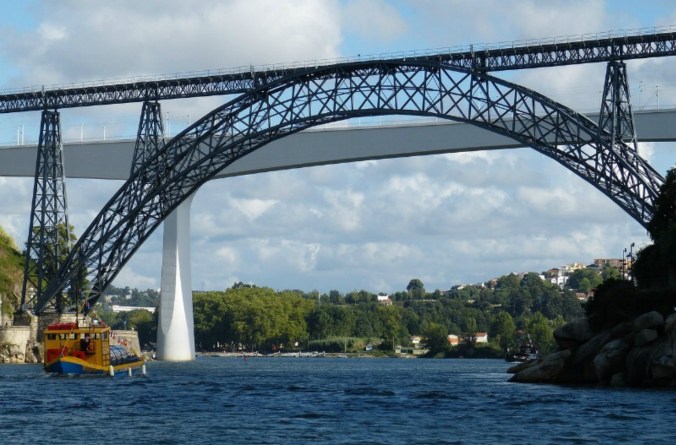
Revived by a glass of wine,  we decided to take an afternoon cruise on the Douro. There are six bridges across the river from Porto to Vila de Gaia, which is home to many wineries.

This bridge, the Maria Pia Bridge, was designed by Gustav Eiffel.

IMG_0043

You would think that that would have been it, and it would have been, until I realized that it was the last day of the Miro exhibit at the museum of contemporary art. It was also the last day of a gigantic arts festival, and the museum was open late, with free admission. We taxied over and arrived just after 6:00. HUGE  crowd, so we knew we were in the right place. 😬

IMG_0272

We returned to Porto for dinner, which we finished at 11:00.