Bhutan ~ Phobjikha Valley

IMG_6457

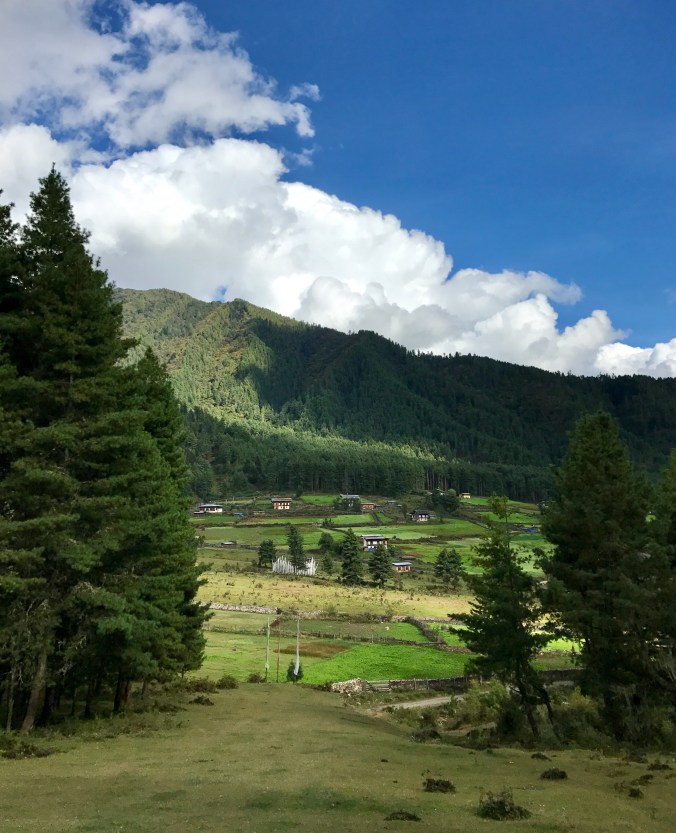
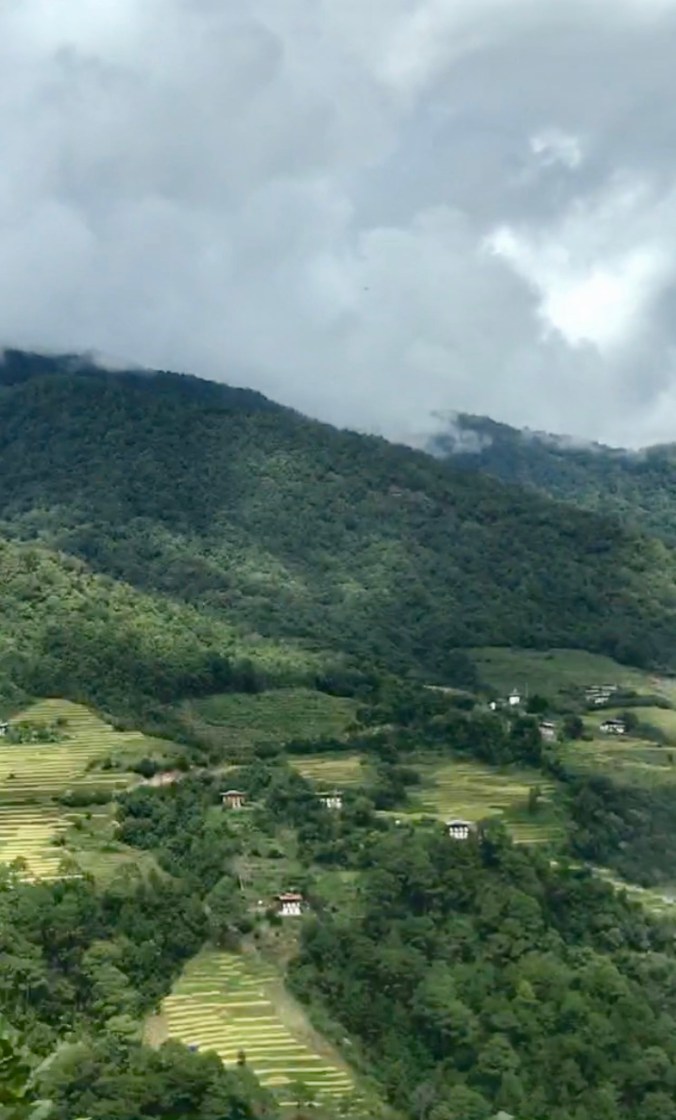
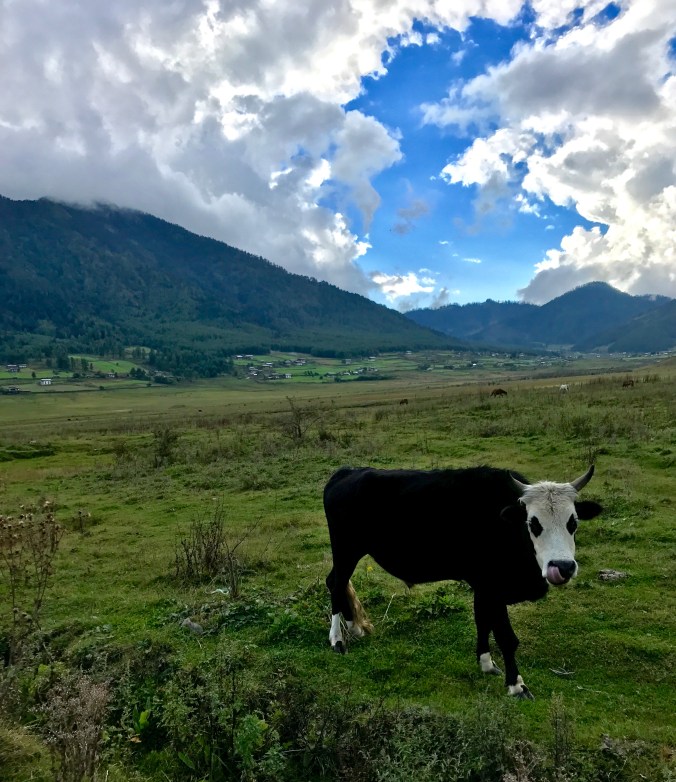
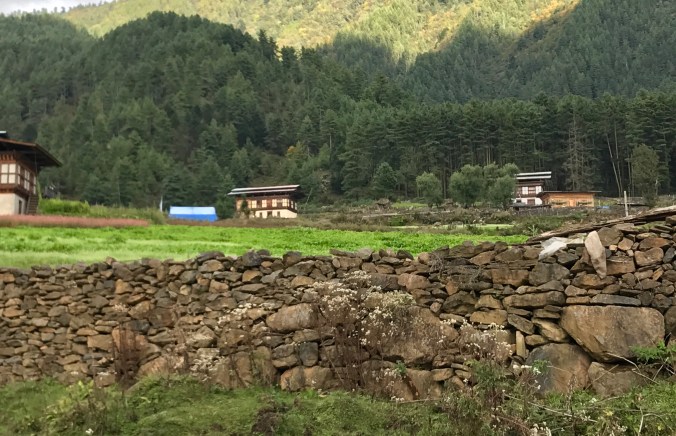
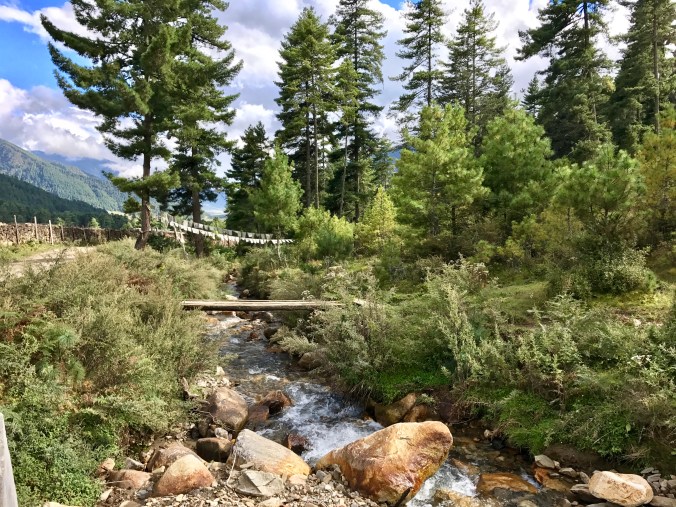
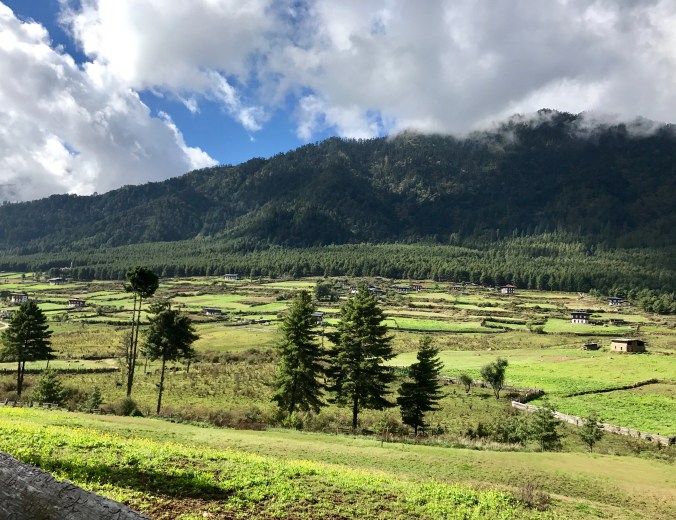
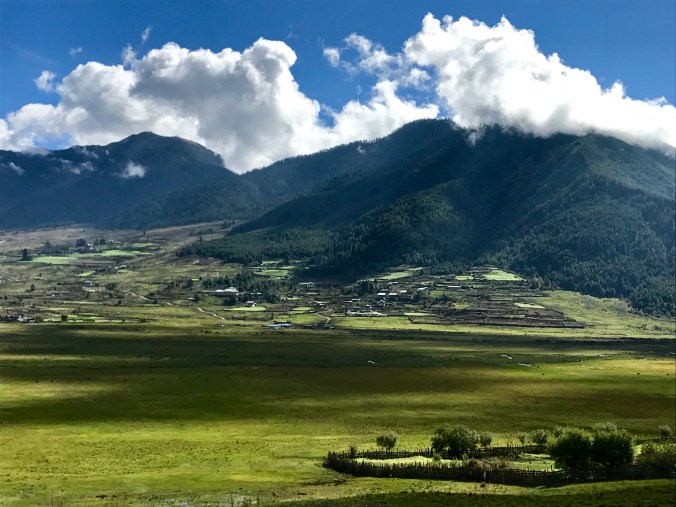
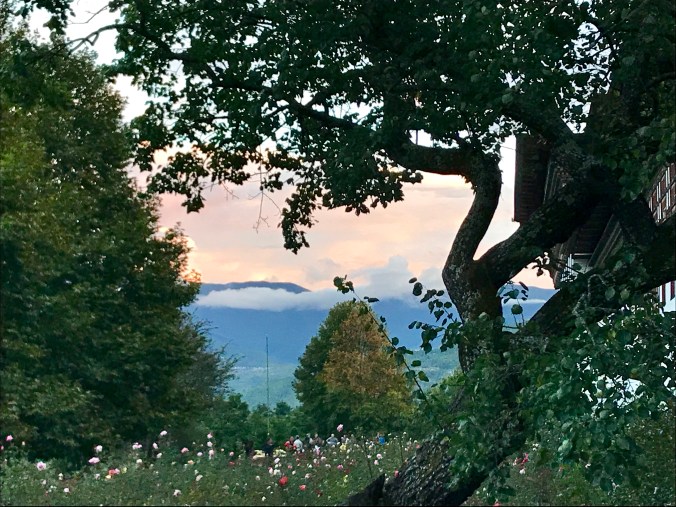
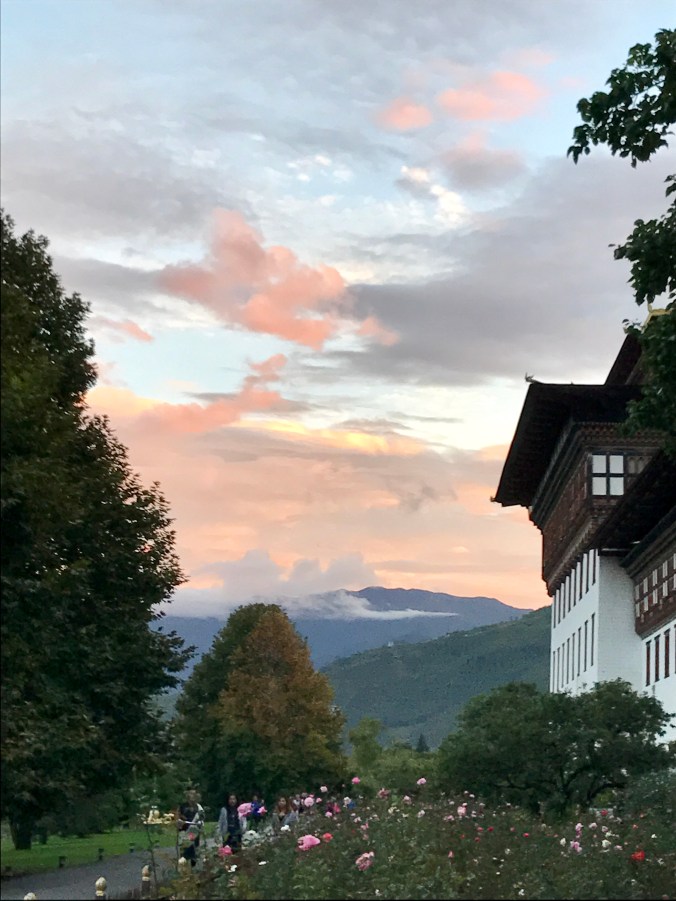
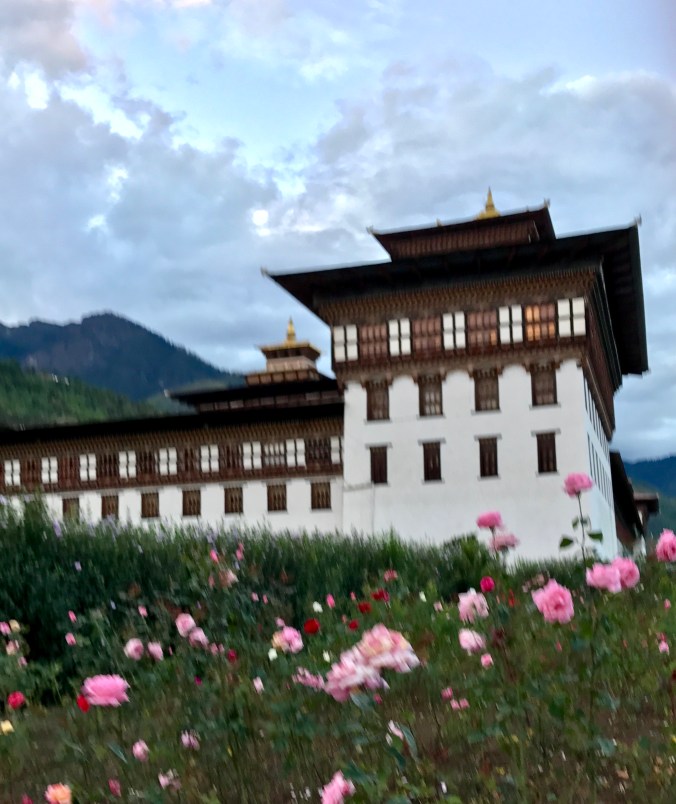
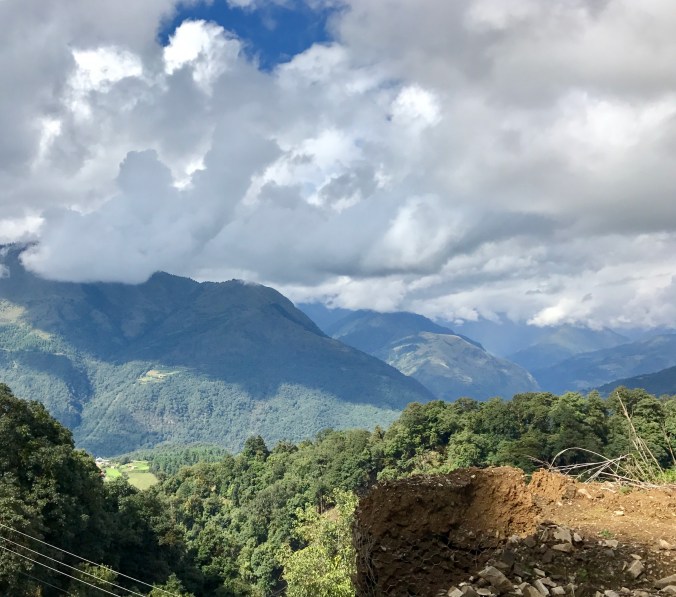
A bowl shaped valley, Phobjikha borders the Wangchuck National Park. The wetlands here are the winter nesting ground for 400 or so black neck cranes, and many other animals inhabit the surrounding hills.

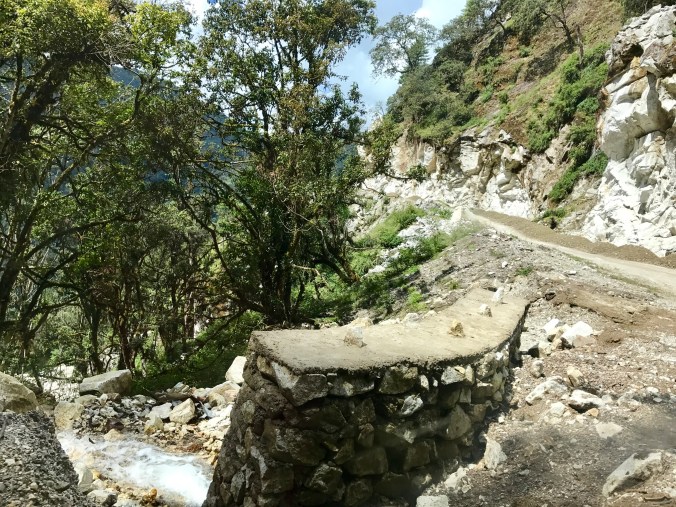
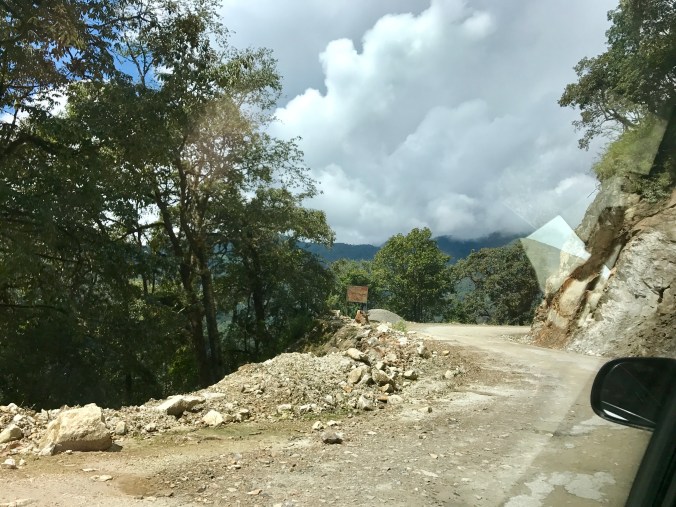
The drive from Thimphu took five hours and was beautiful, terrifying, and often both at the same time.

IMG_6360

IMG_6347

IMG_6406

IMG_6383

We stopped along the way for tea and a bathroom break. Some things are universal.

IMG_6338

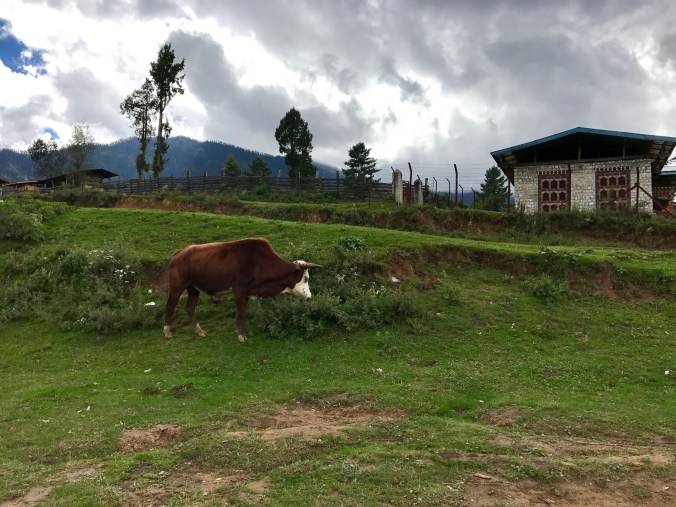
We arrived in time for a late afternoon walk through a serene and lush landscape.  No one else around but what appeared to be some  very  contented cows.

IMG_6555

IMG_6492

IMG_6463

IMG_6435

IMG_6584

IMG_6578~~~~~~~~~~~~~~~~~~~~~~~~~~~~~~~~~~~~

Thimphu

IMG_6245

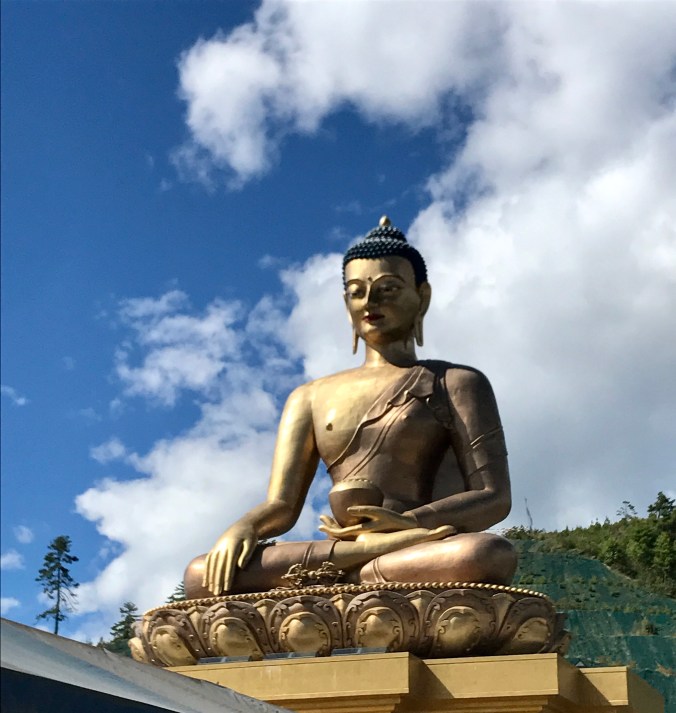
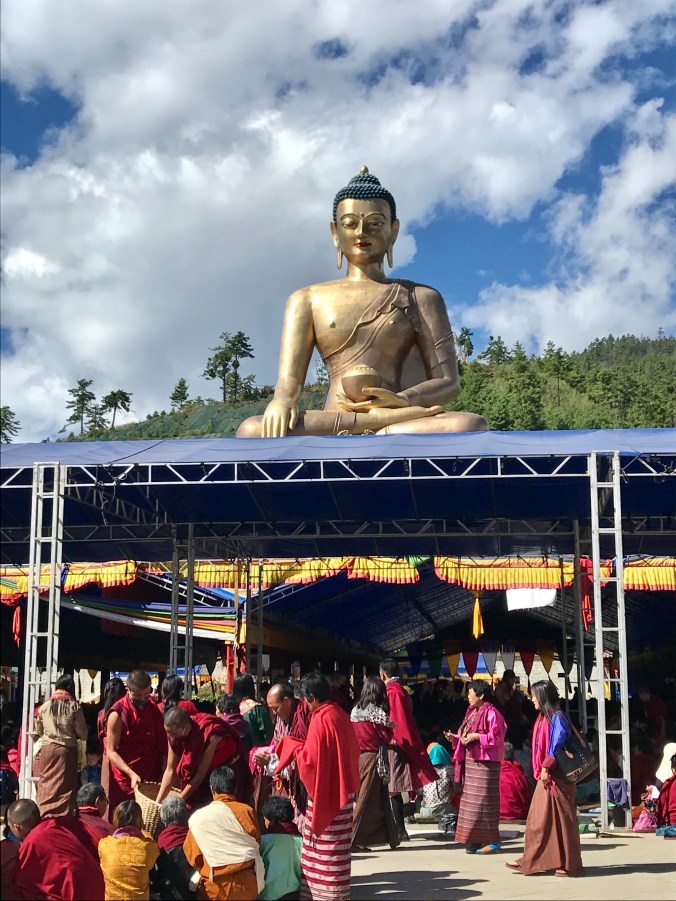
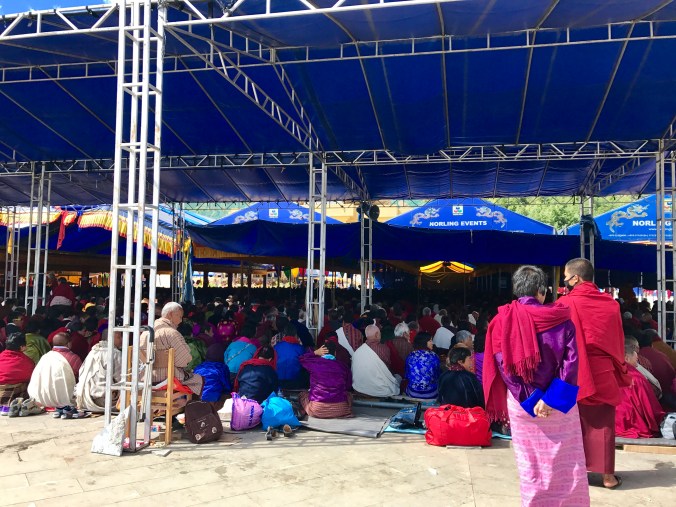
Our day began with a visit to the Buddha Dordrnma,  a 160 ft statue that sits atop a three story base within which there is a large chapel. On the day we visited there was a very special event going on, an oral teaching by a Buddhist master.

IMG_6240

IMG_6251

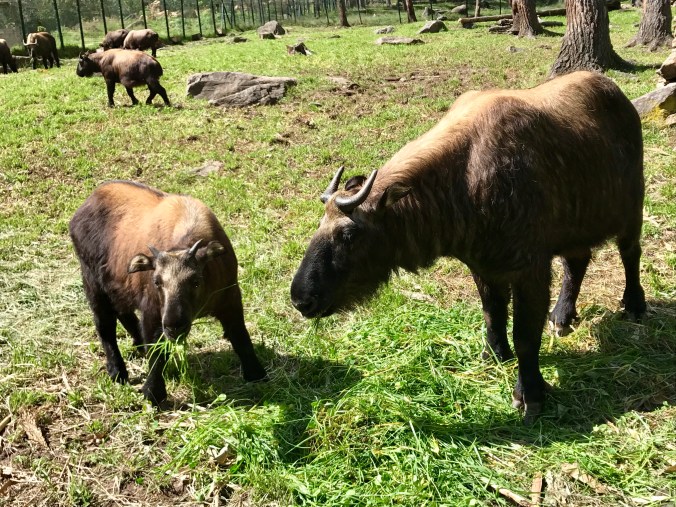
Our next stop was a visit to the Takin sanctuary. The unusual looking takin, Bhutan’s national animal, is described as  a “goat antelope” with a “prominent Roman nose”.

IMG_6267

Next we visited a chorten, also called a stupa, this one a monument built by the mother of the third king after his death. With its elaborate design and gorgeous interior paintings, it is considered one of the finest such monuments in the country.

IMG_6302

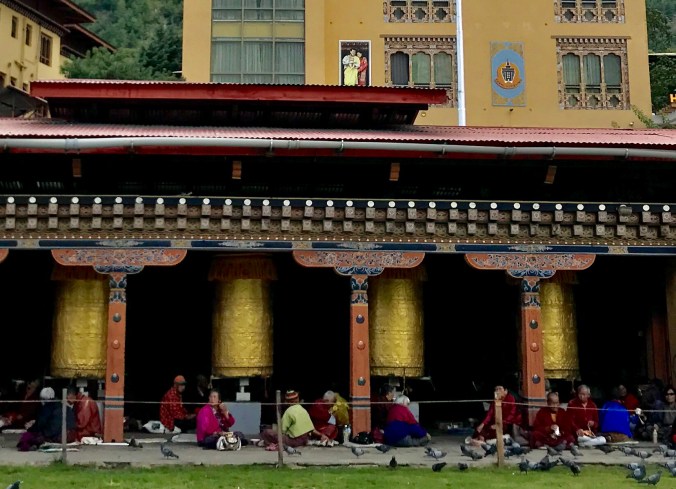
Our guide explained that this is a popular gathering place for older residents of Thimphu.

IMG_6313

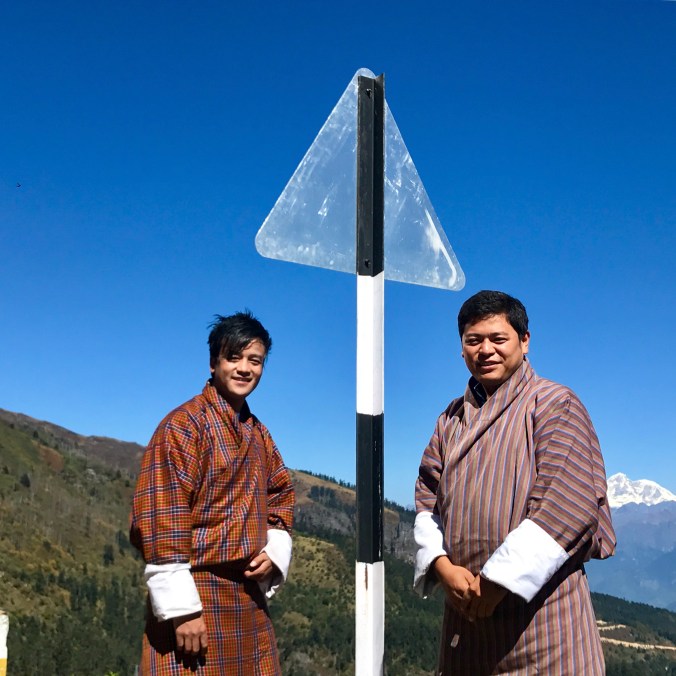
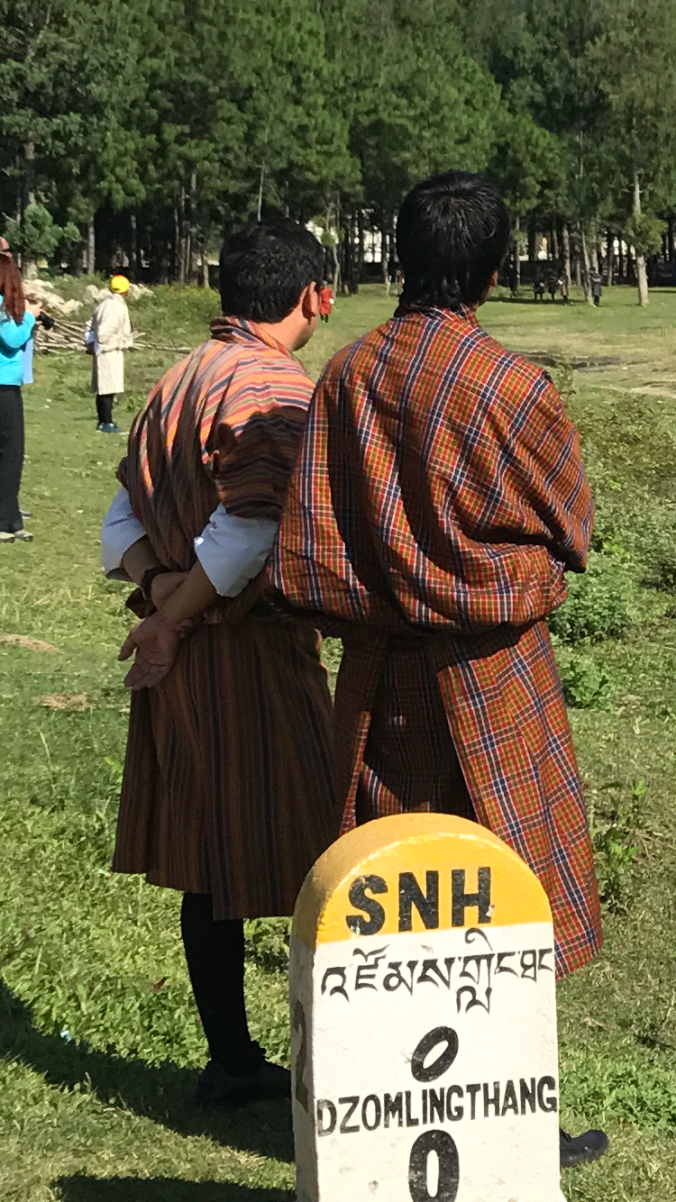
A word here about the national style of dress. For men, it’s a gho, a flat piece of fabric that has to be skillfully folded into a garment.

From the front, our guide Sonam on the right and driver Colin on the left.

IMG_7122

And from the back. Note the double pleat.

IMG_6757

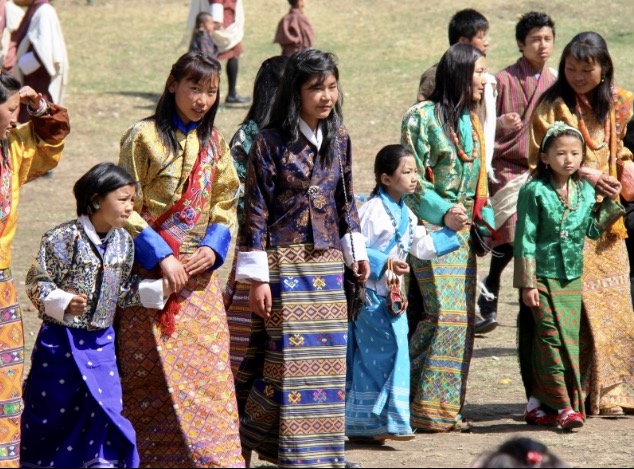
Boys begin to wear the gho as soon as they begin school, and it is compulsory for all Bhutanese to wear national dress in schools, government offices and on formal occasions.

The women’s dress, called a kira, also begins with a large flat piece of fabric. It is wrapped around the body over a Tibetan style silk blouse. Last comes a short jacket made of silk or cotton.

IMG_7209

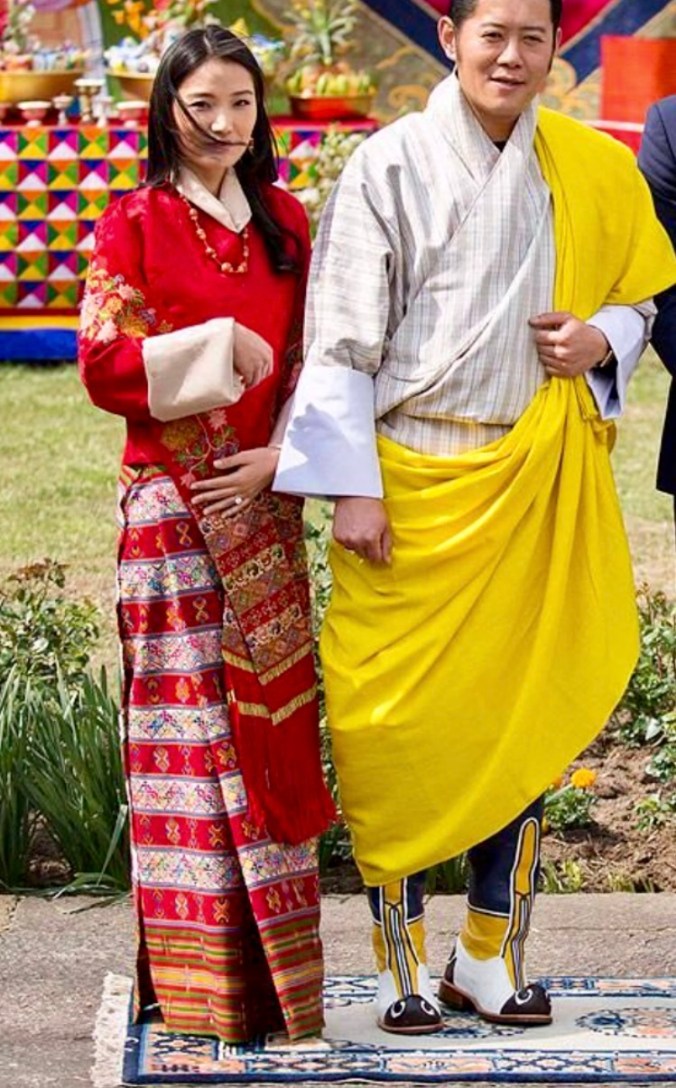
I must include a picture of the royal couple, a highly photogenic and much beloved couple whose pictures , including many with their young son, are everywhere.

IMG_7208

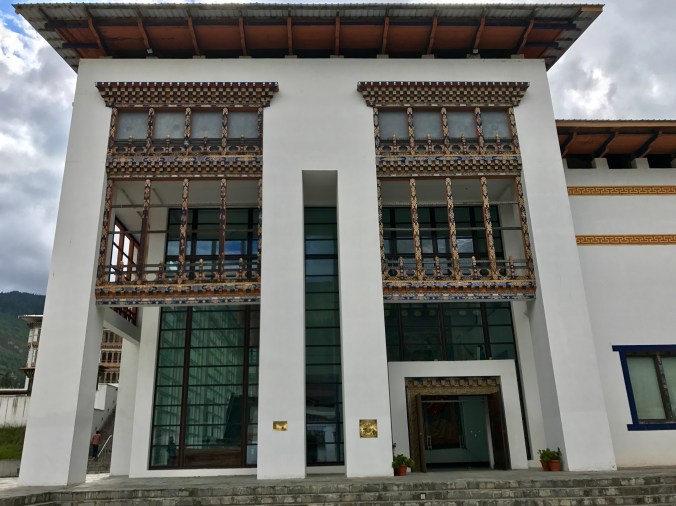
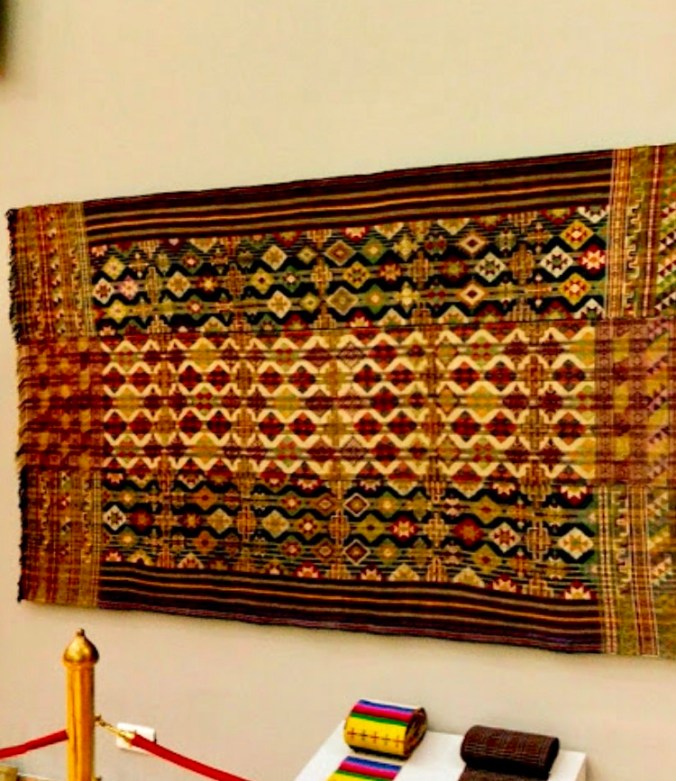
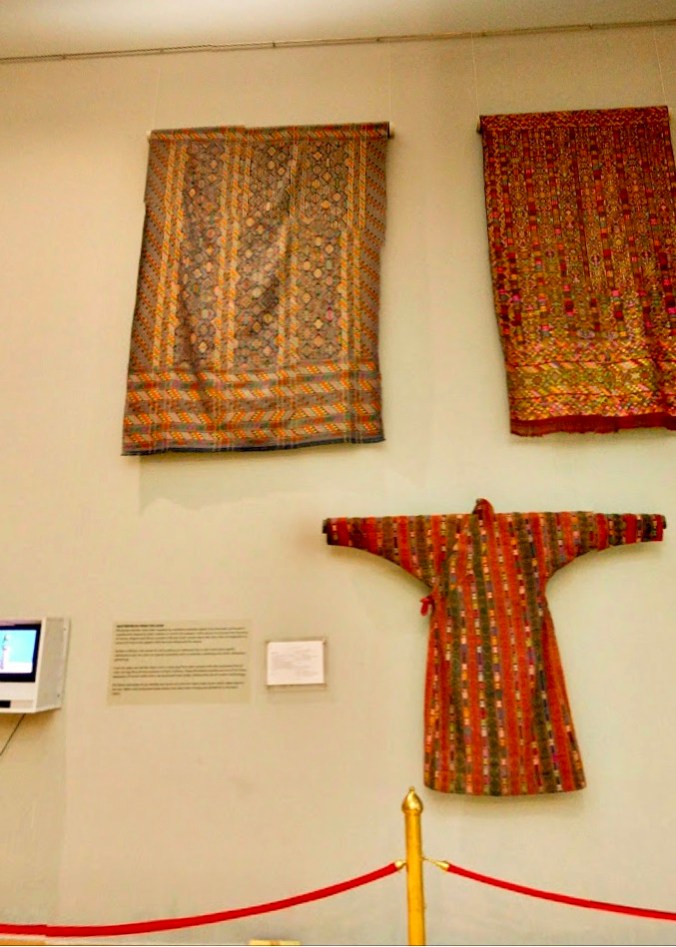
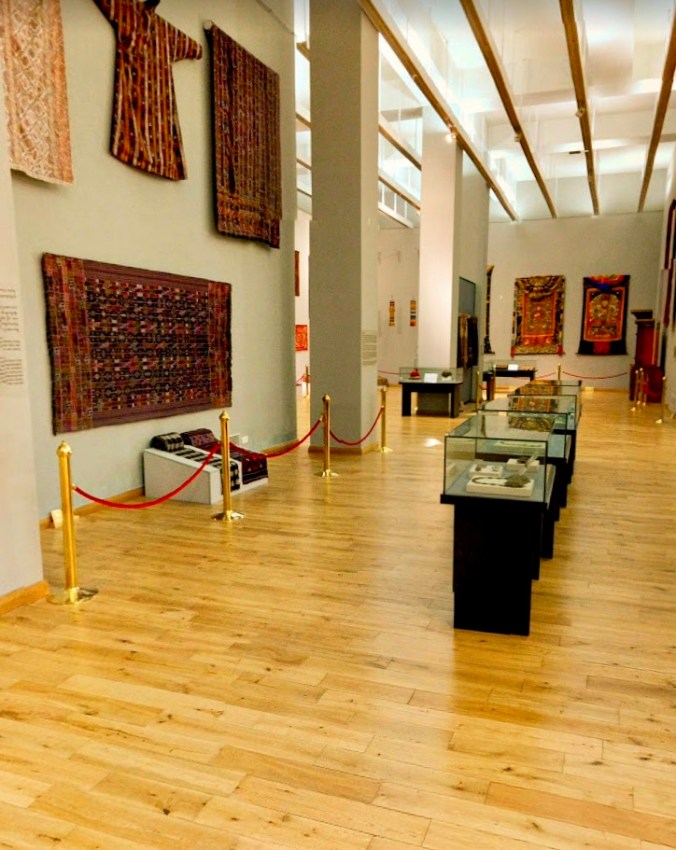
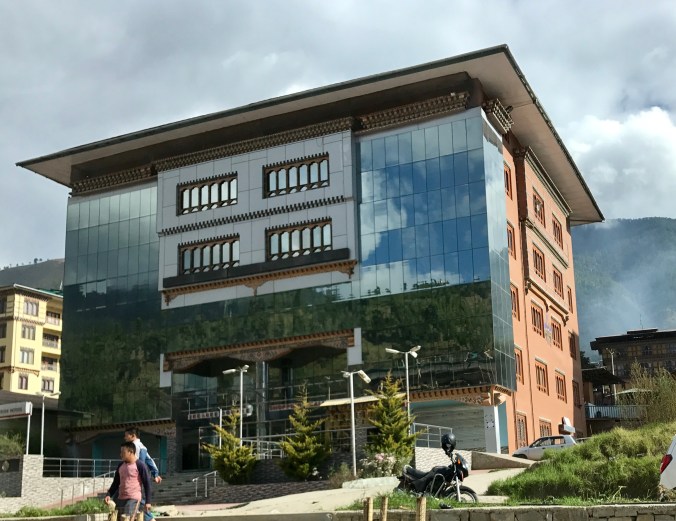
Bhutan is known for the beautiful fabrics created by artisans using intricate weaving techniques, some of which are unique to Bhutan. These are displayed in the National Textile Museum, built in 2013.

IMG_6319So much gorgeousness.

As elsewhere, no photos allowed inside, so here are some photos from the web.

IMG_7216

IMG_7215

IMG_7214

On our way back to town we passed Bhutan’s new shopping mall, which our guide informed us has the country’s only escalator.

IMG_6325

The mall is a popular gathering spot for young people, but most people continue to buy traditional clothing from local sellers. According to our guide, “no one shops there – quality is not good”.

~~~~~~~~~~~~~~~~~~~~~~~~~~~~~~~~~~~~


Bhutan ~ Arrival in Thimphu

Please note: my connectivity here in Bhutan is very limited. I will catch up as I can. 🙂

IMG_6229

Every description of Bhutan includes the word “magical”. Pretty soon after arriving I feel like it’s kind of true.

IMG_6228

You have to appreciate the fact that Bhutan is small (well under a million people) homogenous (and closed to immigration) and overwhelmingly Buddhist, in terms of population, policy and values. It’s a pretty chill place, as befits a country committed to promoting Gross National Happiness.

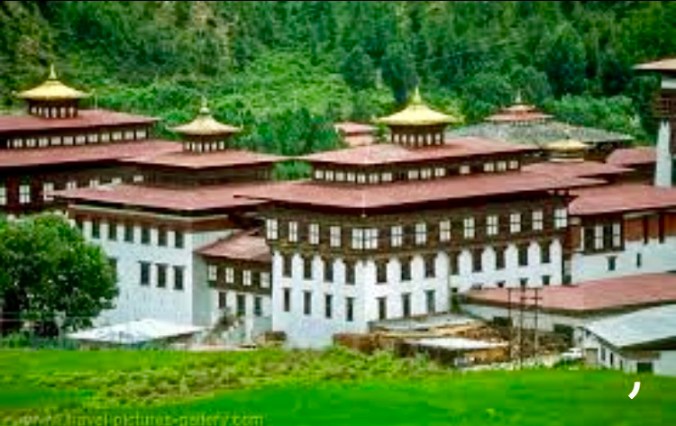
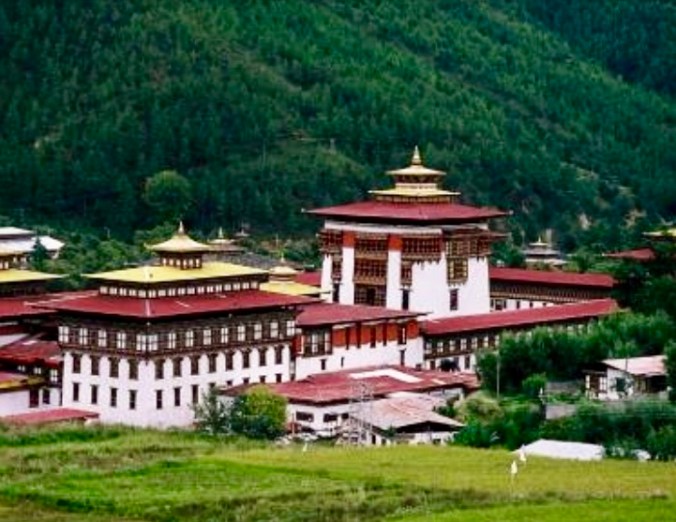
We were picked up at the airport in Paro late in the afternoon and driven to our hotel in Thimphu, the capital of Bhutan. (You cannot visit Bhutan without a licensed guide and driver, not that you would want to attempt driving on these mountain roads). That evening we were taken to our first “dzong”, or fortress. Originally used by clergy, and as garrisons for soldiers the dzongs no longer serve as fortresses, but they continue to house monasteries and administrative offices. With their massive stone walls and  huge inner courtyards, they are also among Bhutan’s most impressive architectural sights.

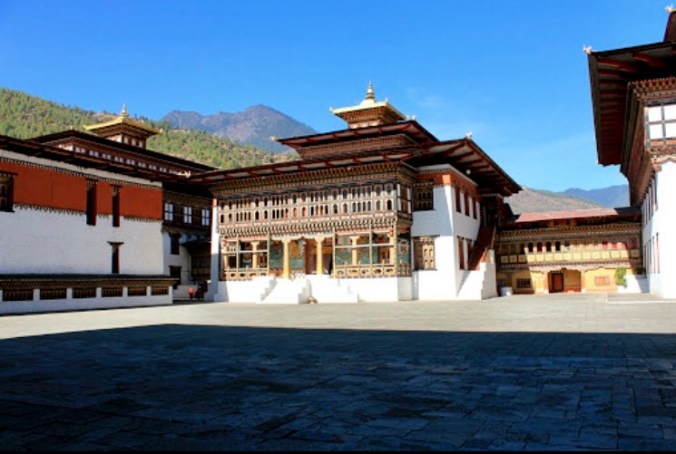
Here is the outermost building, a kind of gatehouse. The courtyard behind it is ringed by buildings, including government offices.

IMG_6223

IMG_7024

I have to include a couple of web images here, because there’s no other way for me to illustrate the scale of this place.

IMG_7028

IMG_7027

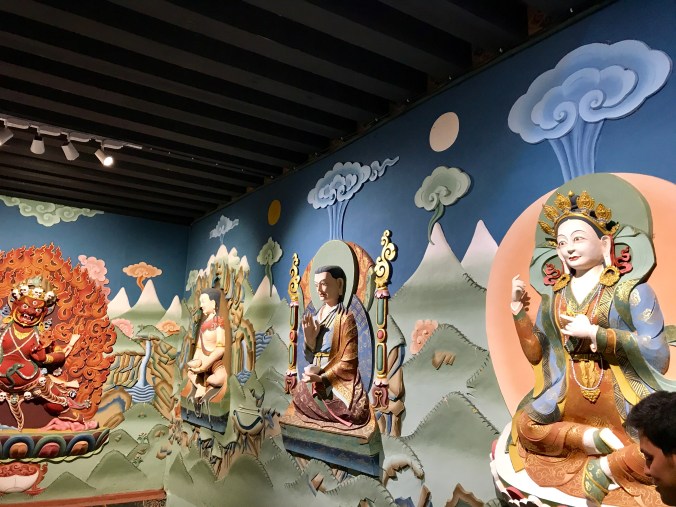
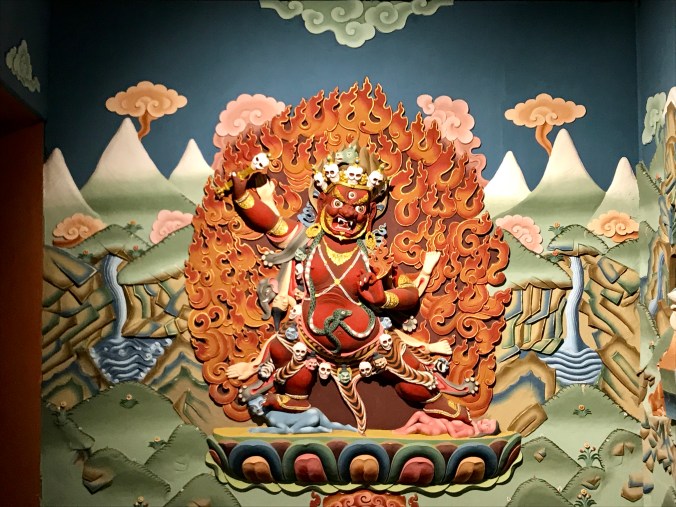
Next we made our first temple visit. Tired as we were, the stunning interior, the huge sitting Buddha, the sound of chanted prayers were as transporting as we remembered from our time in Tibet five years ago. No photos allowed in this, or any other of Bhutan’s religious sites.IMG_6232

Murals in the entrance to temple.

IMG_6237

IMG_6238~~~~~~~~~~~~~~~~~~~~~~~~~~~~~~~~~~~~~

Udaipur

IMG_6134

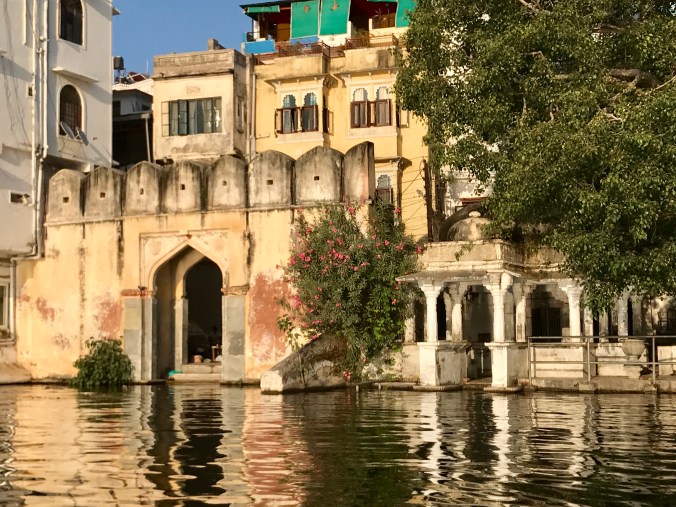
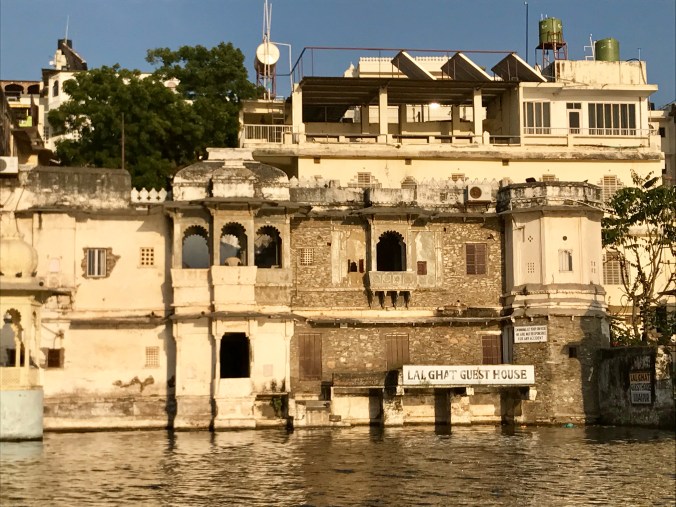
Our last stop in India was this relatively quiet and beautiful city graced by lakes and green spaces. Our hotel, on the shore of Lake Pichola, offered boat rides at sunset.

IMG_6140

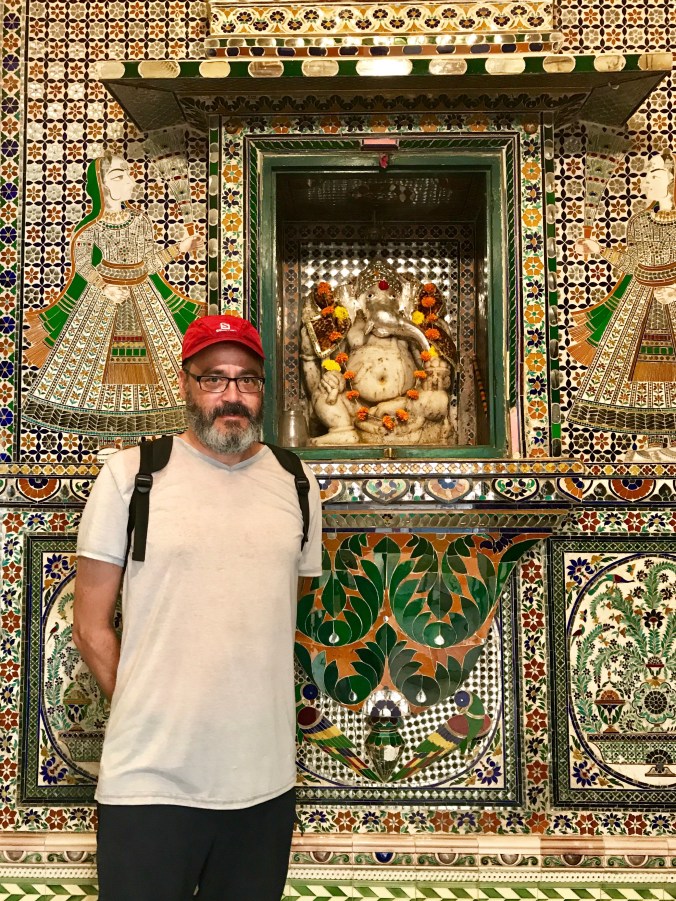
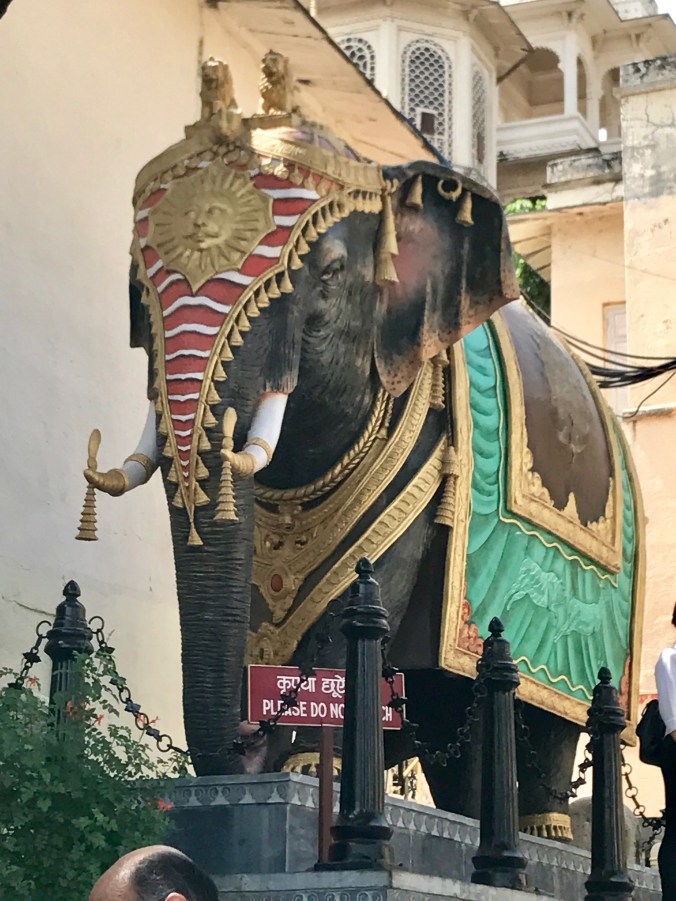
We were fortunate to see Udaipur with a wonderful guide who not only shared his knowledge of the city, but also provided lots of historical and cultural background about the region. Also stories – lots of them! – about Hindu deities, which were fantastic. I now know why Ganesh has the head of an elephant.

IMG_5991

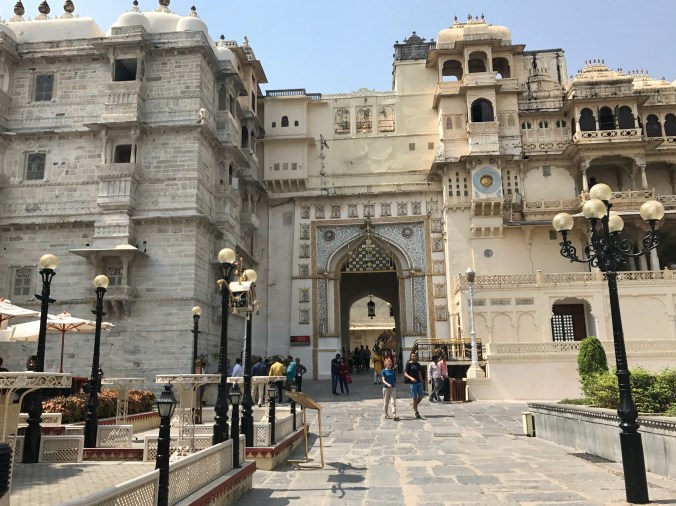
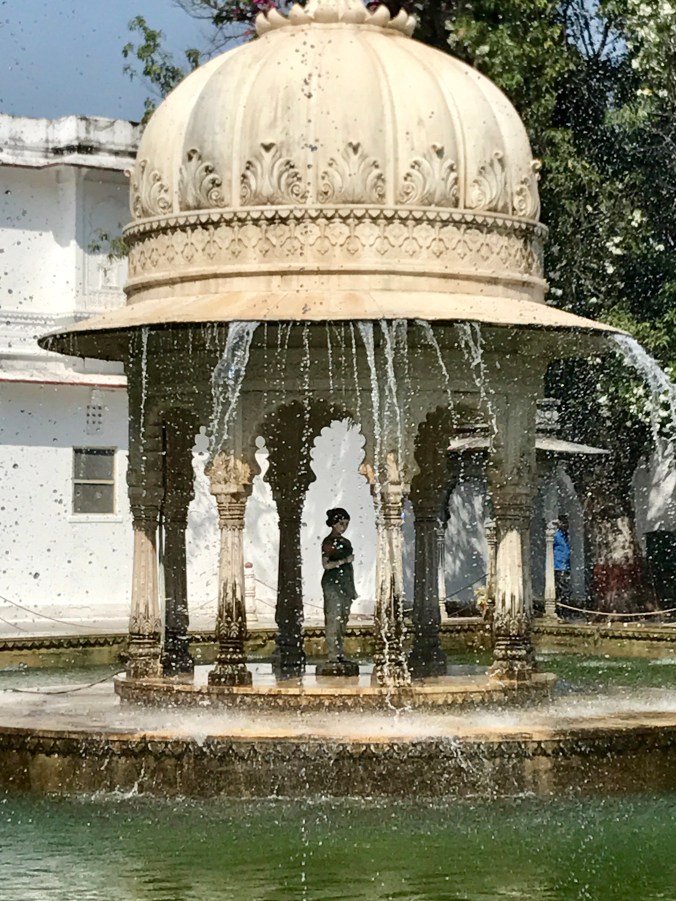
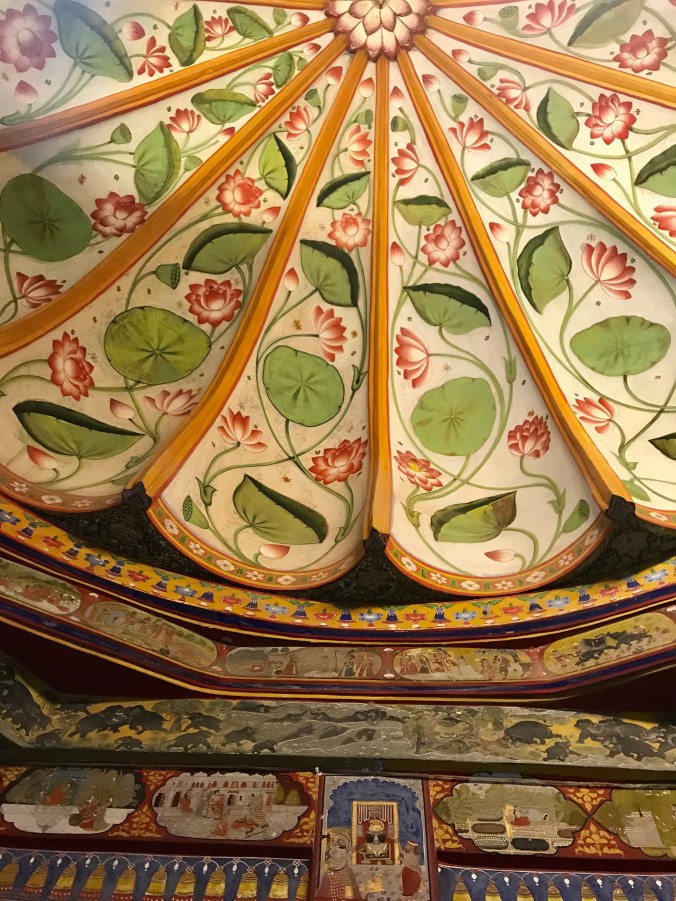
We started at the City Palace, a sprawling complex full of decorative art, paintings, colorful enamel and glasswork and elaborate furnishings.

IMG_5987

IMG_5956

A recent addition to the outside decor.

IMG_5981

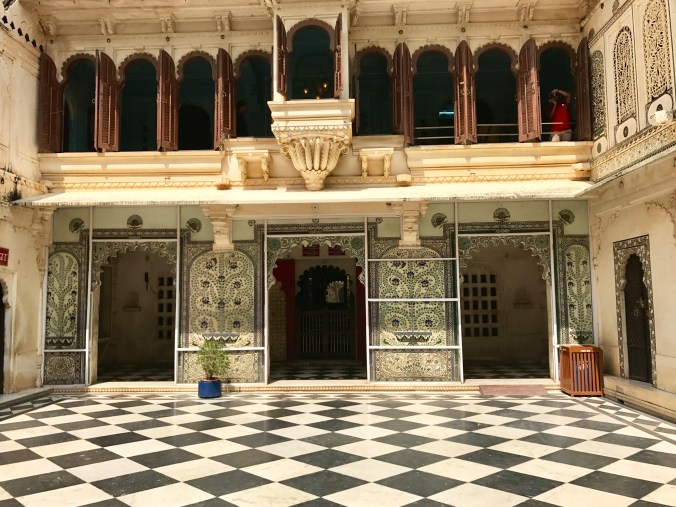
Below, an interior courtyard featuring glass mosaics.

IMG_6036

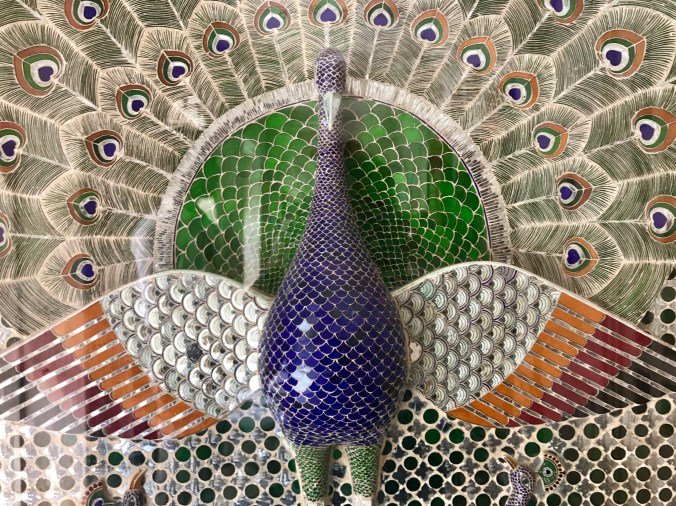
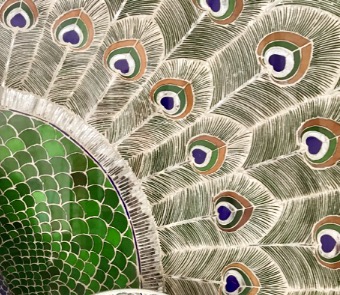
Here is one of many peacocks, the national bird of India. Below it is a closeup of the feathers – each slice of color is a separate piece of glass.

IMG_6038

IMG_6165

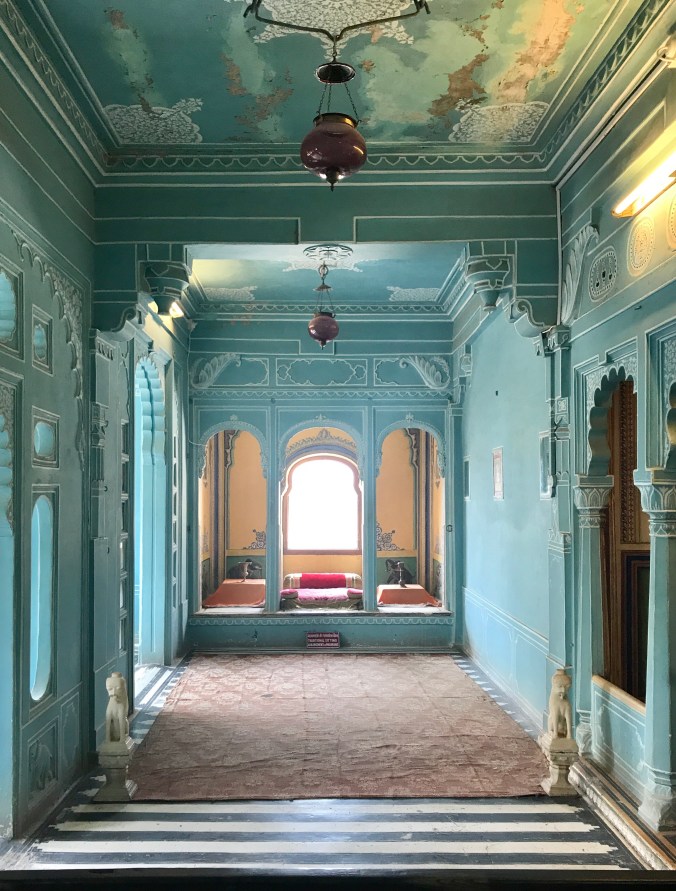
Inside the palace, rooms for all kinds of activities.

IMG_6013

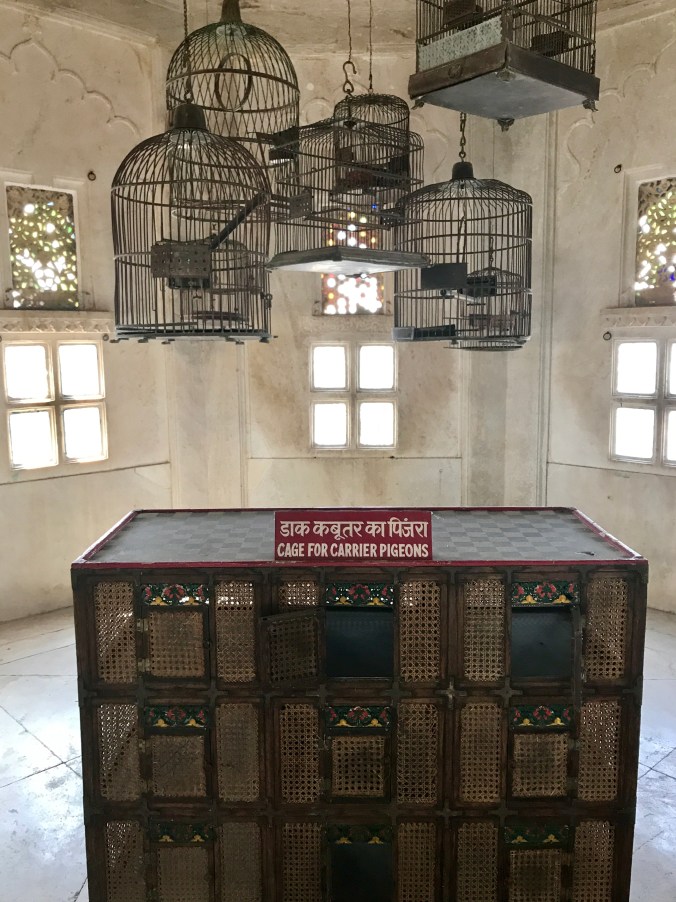
Here’s the mailroom.

IMG_5999

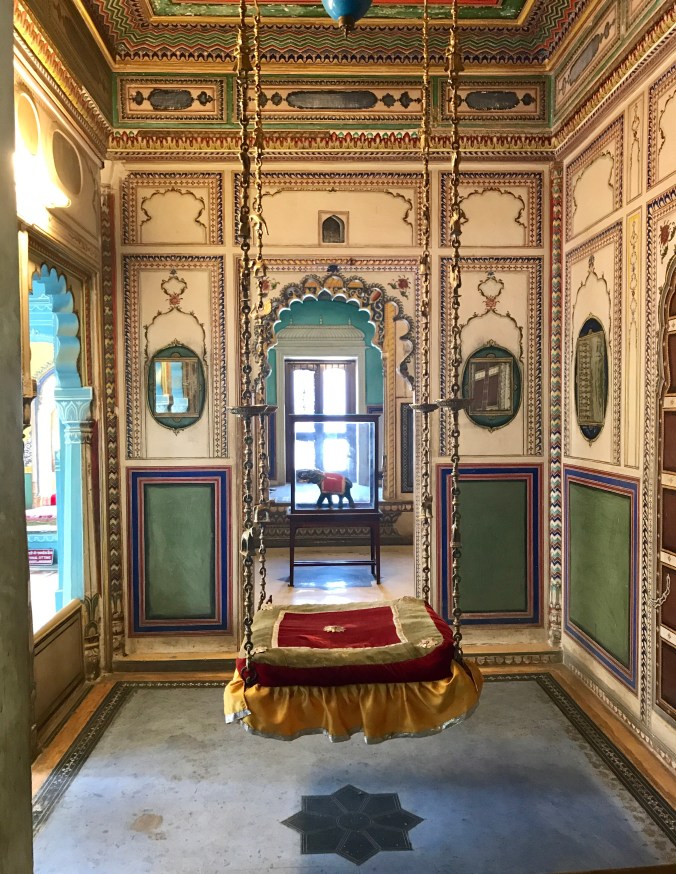
The swing room

IMG_6022

IMG_6015

A bedroom

IMG_6024

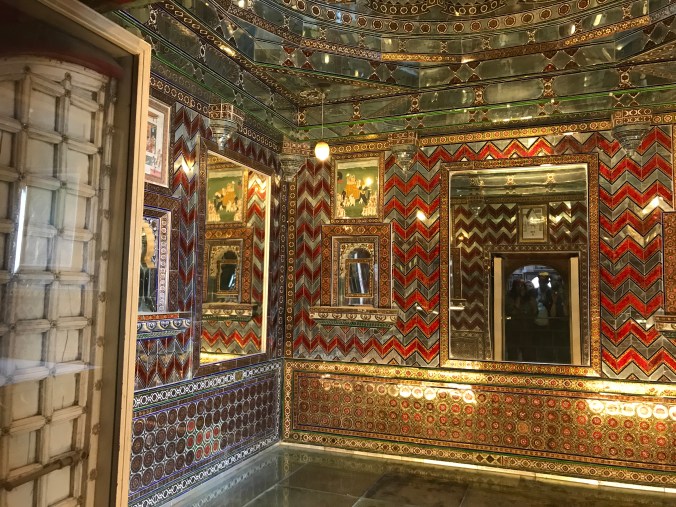
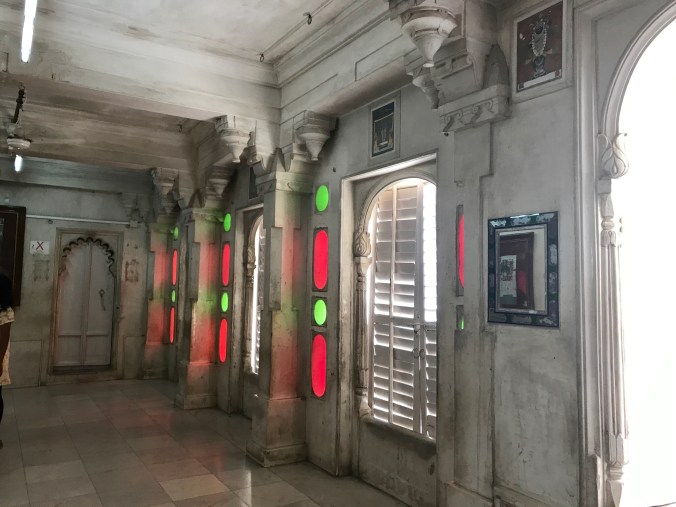
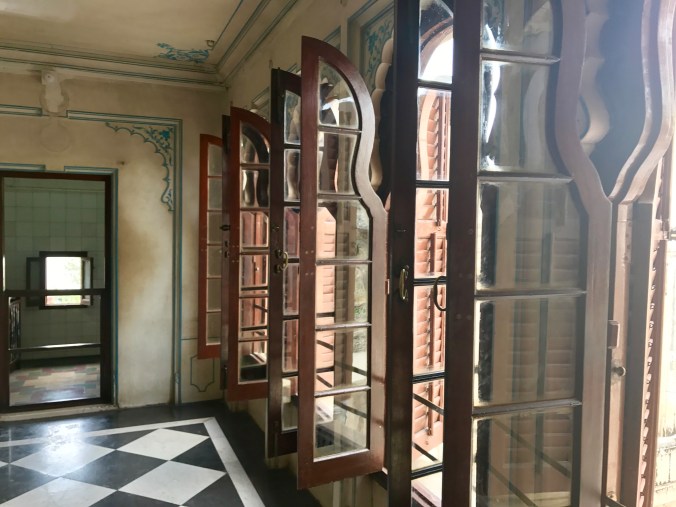
A room from which the women of the court could view the goings on outside. The glass, which is original, came from Belgium.

IMG_6009

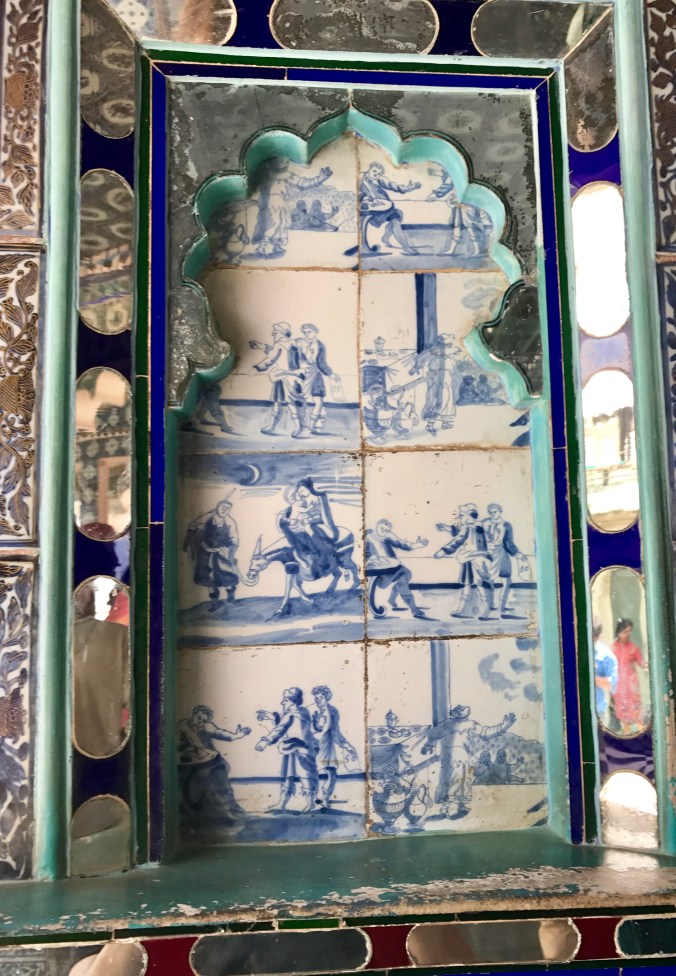
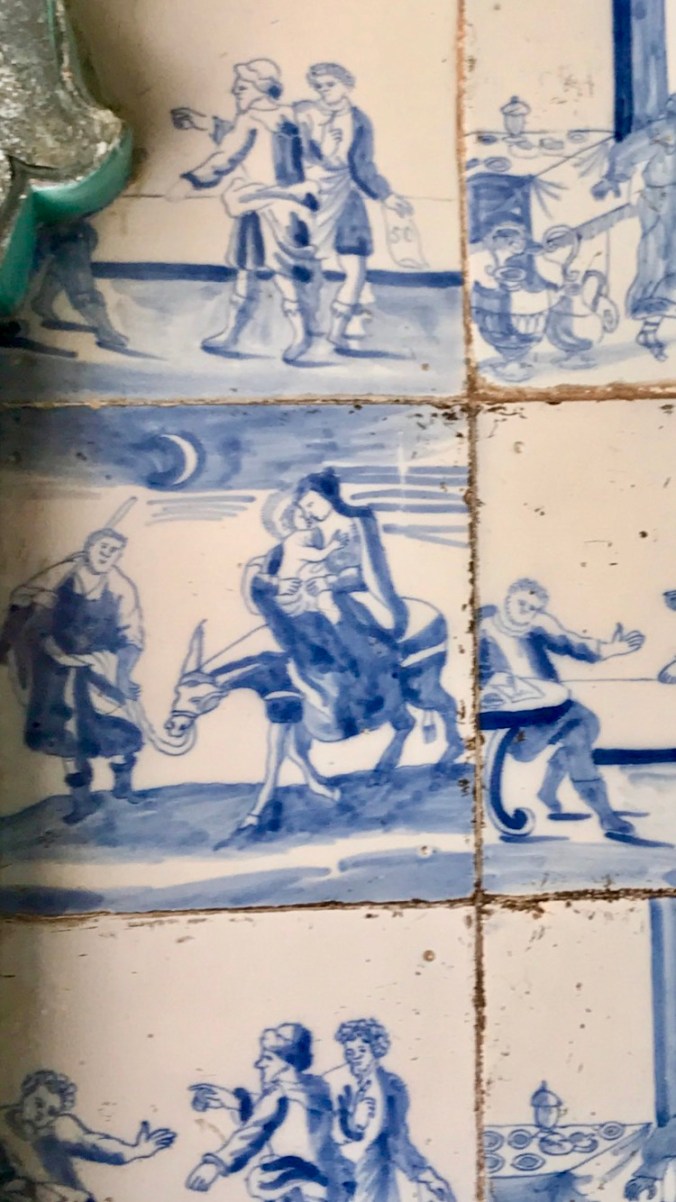
Another imported decorative element, a display of Dutch tiles, probably a gift to the Maharajah.

IMG_6018

Notice the tile on the middle left. Our guide suggested that the artist “snuck this one in”.

IMG_6164

IMG_6035

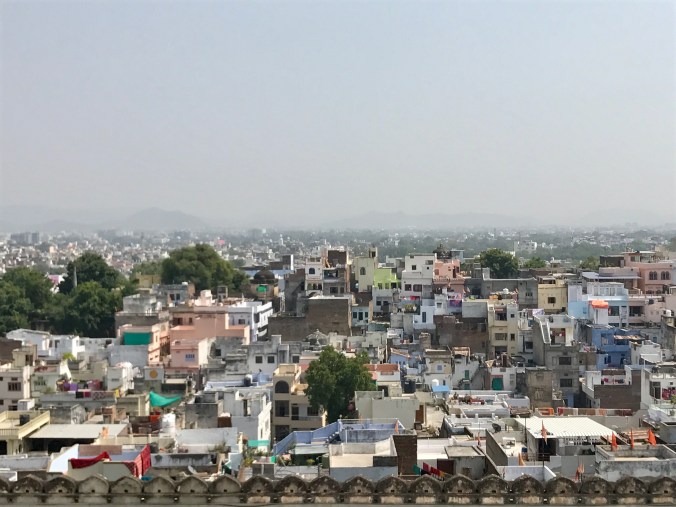
A view of the cityIMG_5982~~~~~~~~~~~~~~~~~~~~~~~~~~~~~~~~~~~

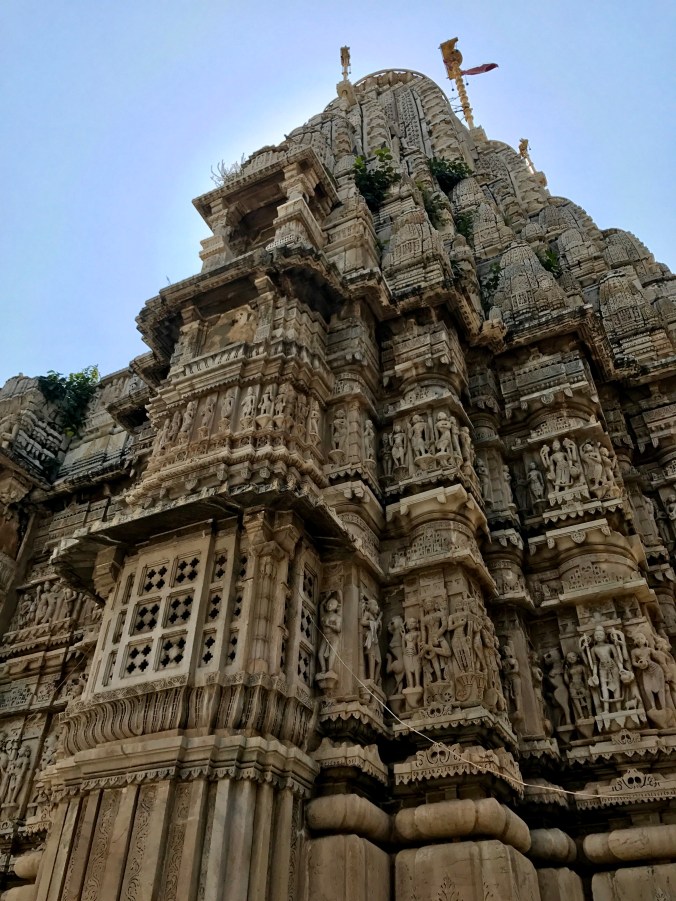
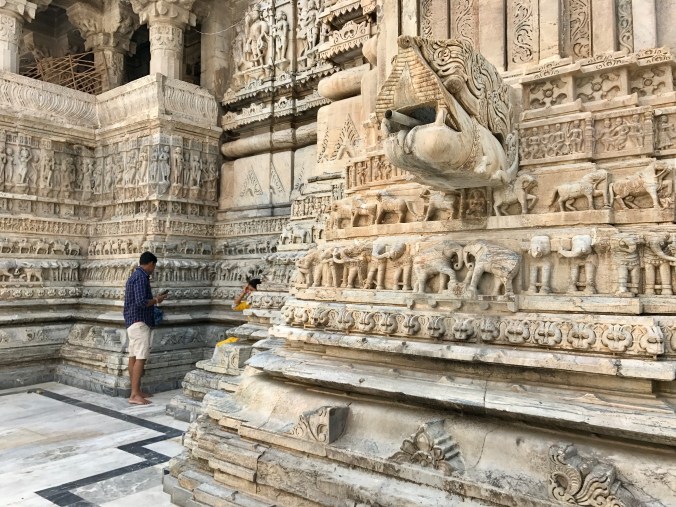
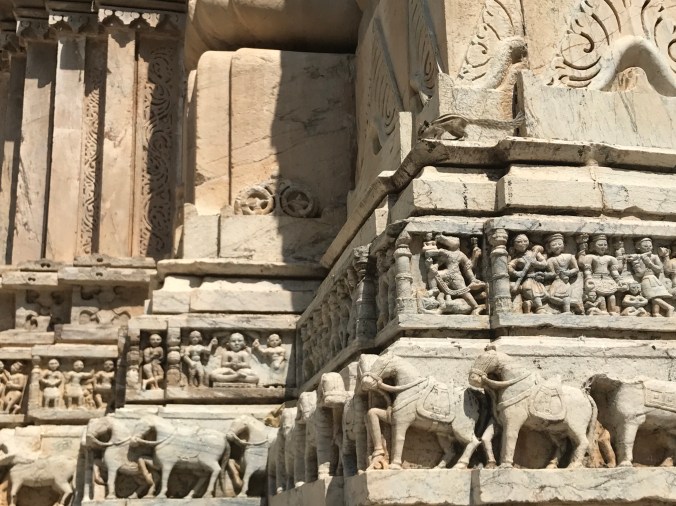
Next up, Jagdish Temple, a 17th century Hindu temple. At 78 feet high, it is a major landmark in the Old City and was buzzing with activity when we visited. Incredible carvings. No photos allowed inside.

IMG_5970

IMG_5971

IMG_5978

The temples, our guide explained, are home to the gods. Worshippers bring food and gifts, because the gods need to be fed, and attended to, and entertained. They are everywhere (not just in the temples) but you shouldn’t fail to visit them at home. The old, who “have more time” tend to make these visits more frequently than the young.

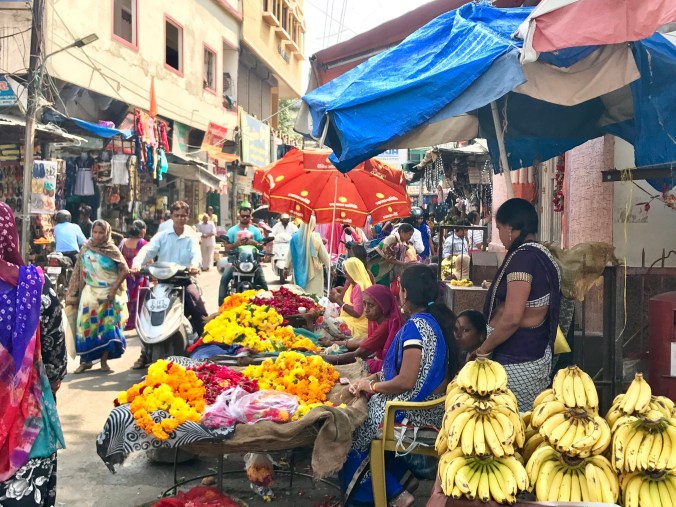
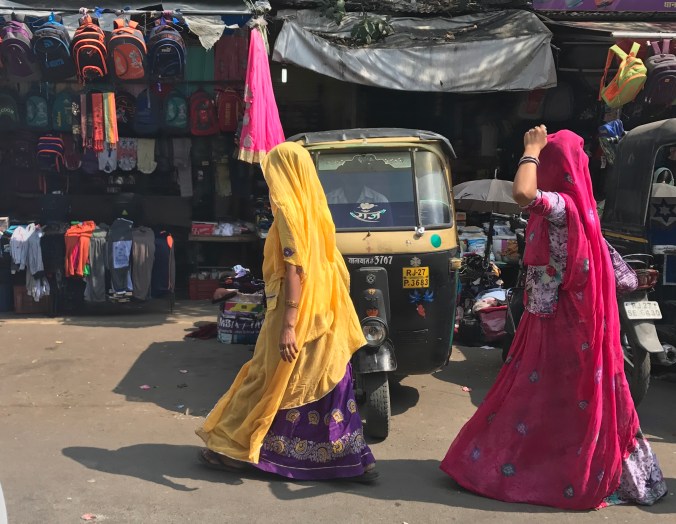
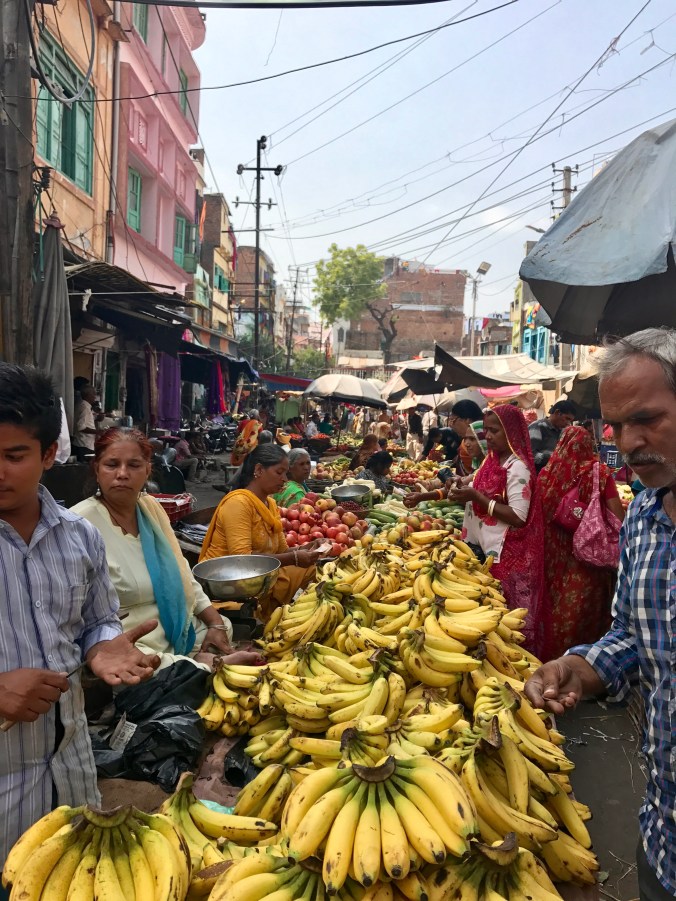
We asked our guide to take us to a market – a real one, i.e. not one for tourists.

IMG_6070

IMG_6057

IMG_6045

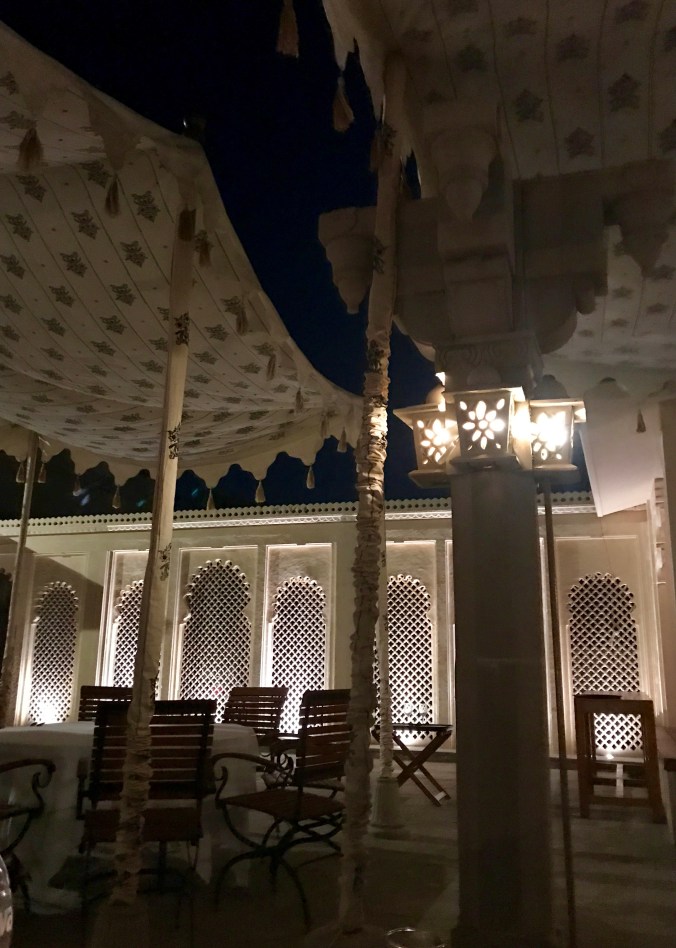
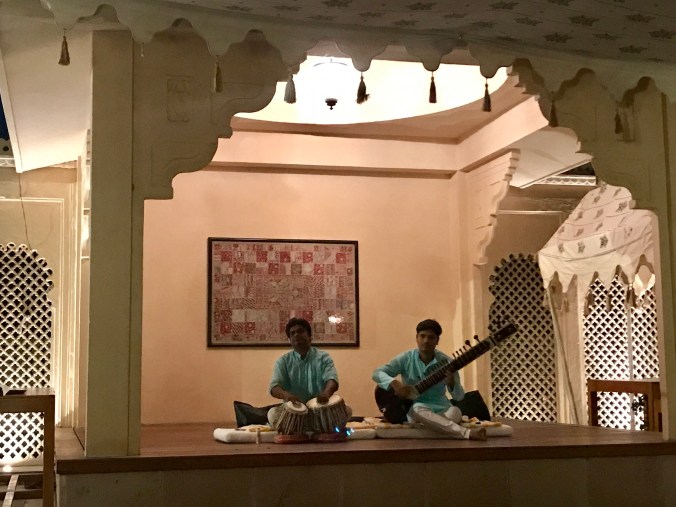
We ended the day with dinner and music, and had just enough energy left to make it to  bed.

IMG_6104

IMG_6101~~~~~~~~~~~~~~~~~~~~~~~~~~~~~~~~~~~~

Jaipur


As much as there was to see and do in Jaipur, the highlight of these few days was our accommodations at 28 Kothi, a guest house with lovely, quiet grounds, exquisite food, and the most charming of hosts. After the hubbub of our last large hotel, coming here felt like staying in the home of attentive, and very stylish friends. Our room had a small balcony where we could lie under the trees and wait for visits from birds and little chipmunks. When the sun went down the mini lights came on on our deck and everywhere. If you know me, you know how I feel about mini lights.
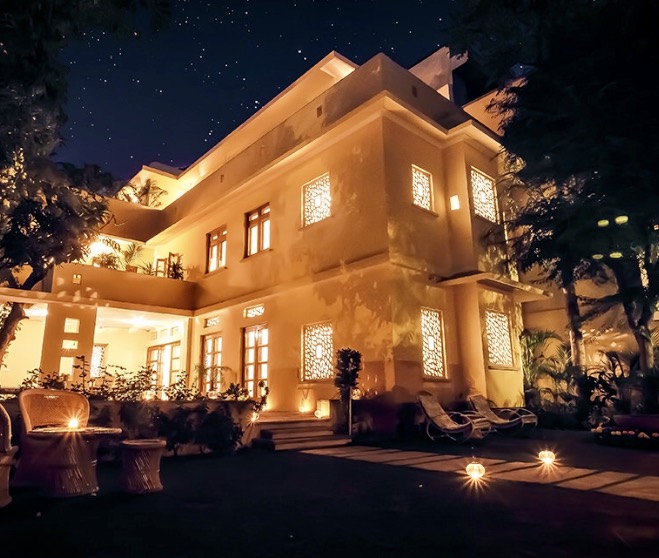
IMG_6114Dinner was served in the garden.

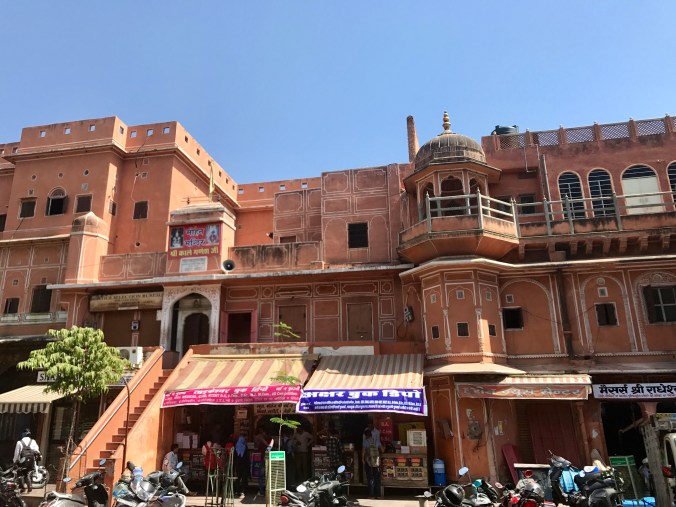
One of the first things you notice when you arrive in Jaipur is that the buildings are all painted pink (which explains why it is called The Pink City). Why, you ask. The answer: the city was painted Pink to welcome Prince Albert in 1876. A law was passed requiring all building to be painted pink, and it remains in effect.
IMG_5833

As you can see, it’s kind of a salmony- pink.

IMG_5827

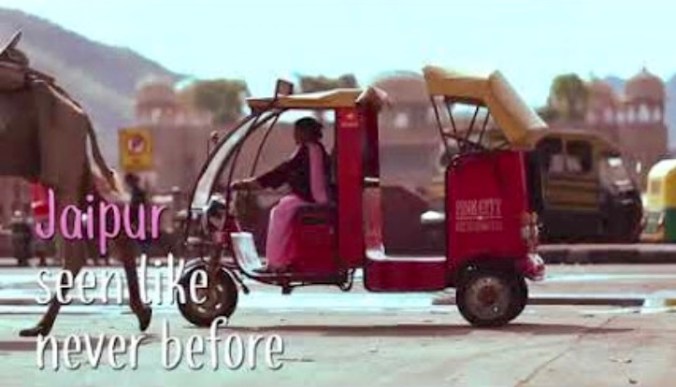
We had been told about a number of options for seeing the old city, and had chosen Pink City Rickshaw Company which like many local tours uses auto rickshaws.
IMG_6160

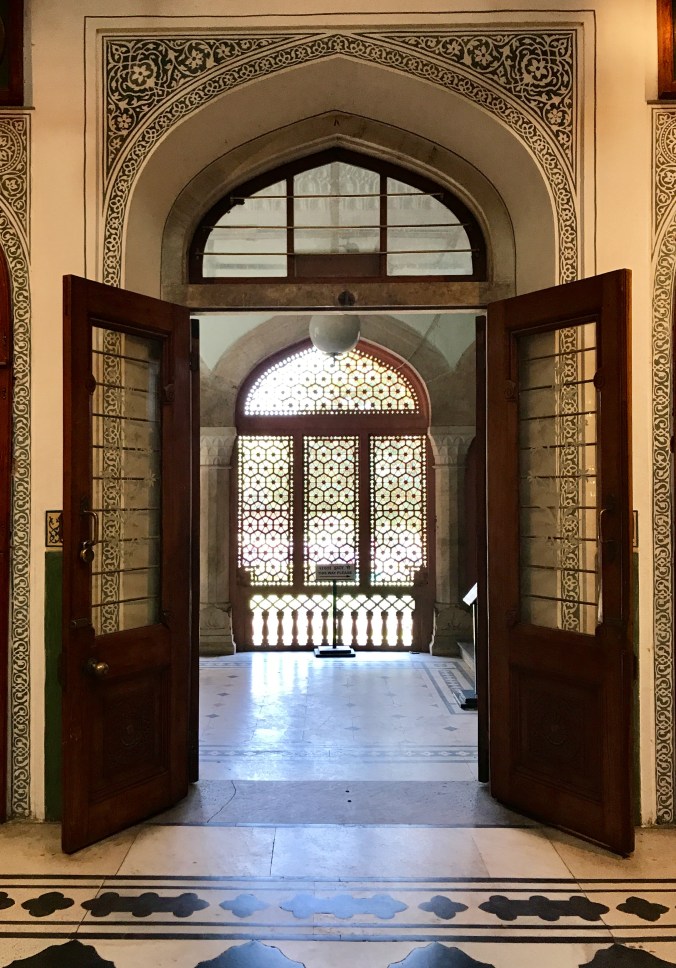
Our first stop was Albert Hall, a museum that, in case you’re wondering, was also named to honor the visiting British Prince.
IMG_5817

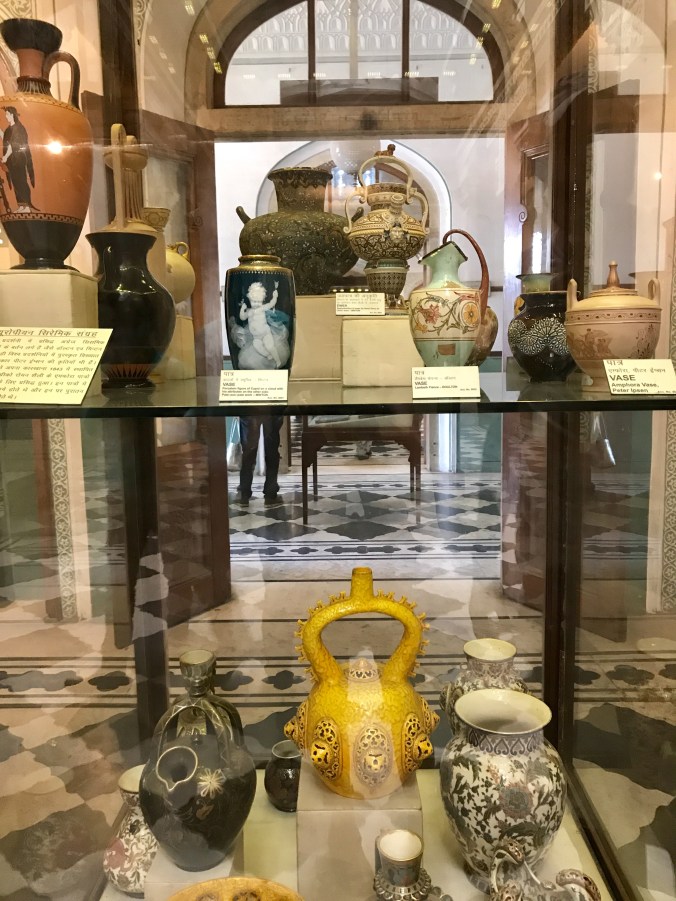
Inside, a collection of art and artifacts that would take days to see properly. Think “Victoria and Albert”.

a few examples of the vast collection of pottery, these from Hungary
IMG_5810

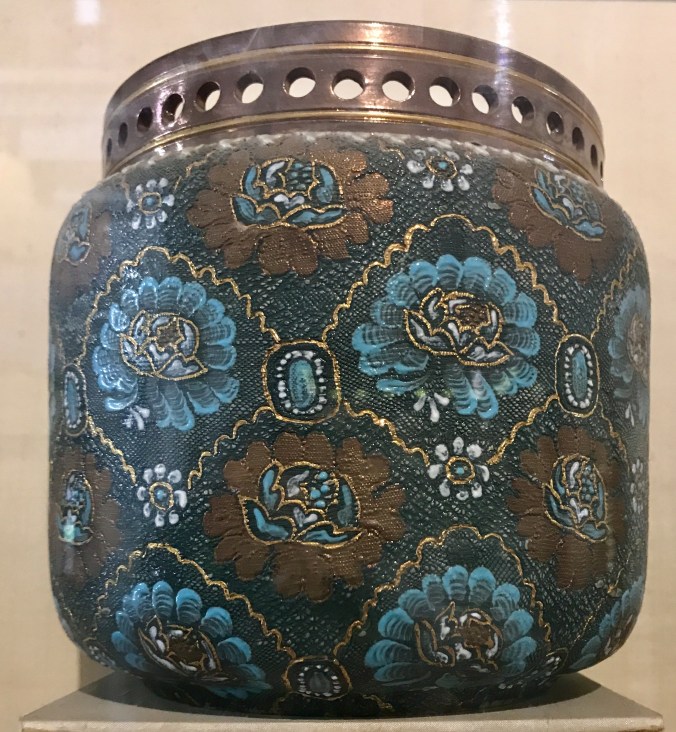
This from England: layers of paint applied in damp clay, then scraped away
IMG_5811

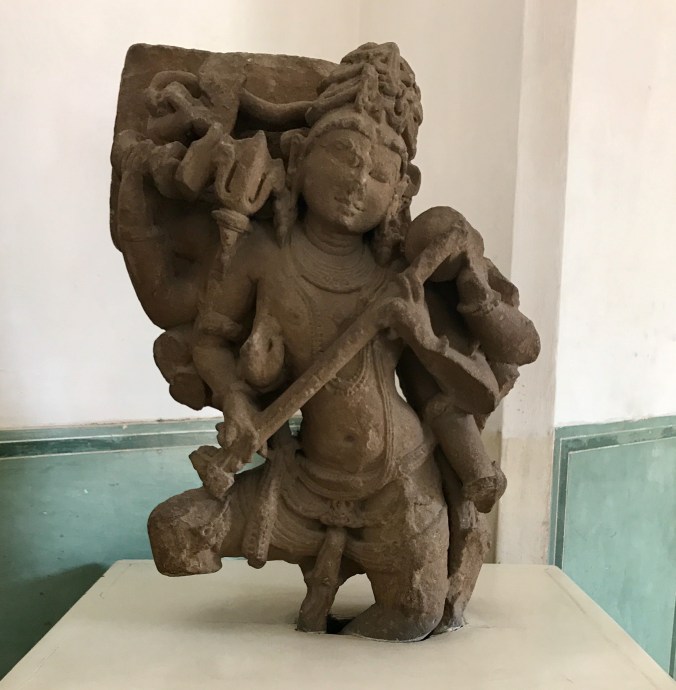
This appealed to me:

10th c. twelve armed ShivaIMG_5813
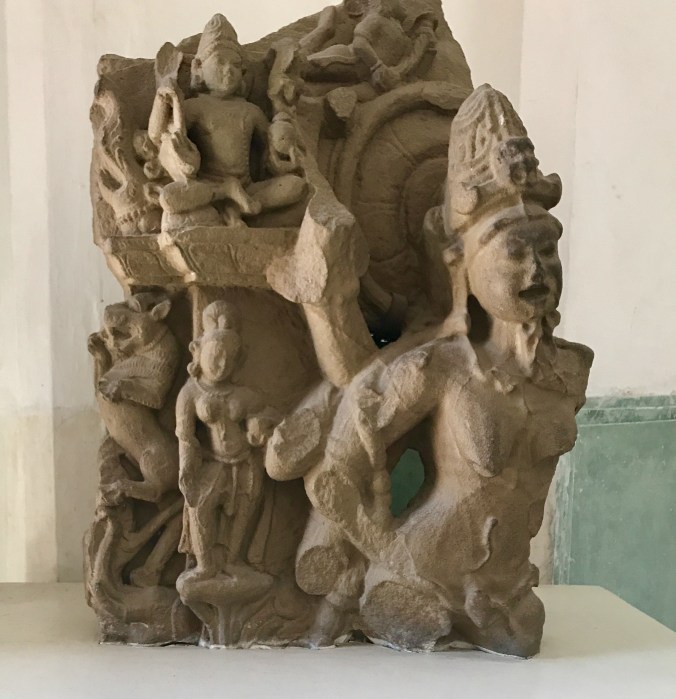
as did this (maybe just the mood I was in)
IMG_5815IMG_5816

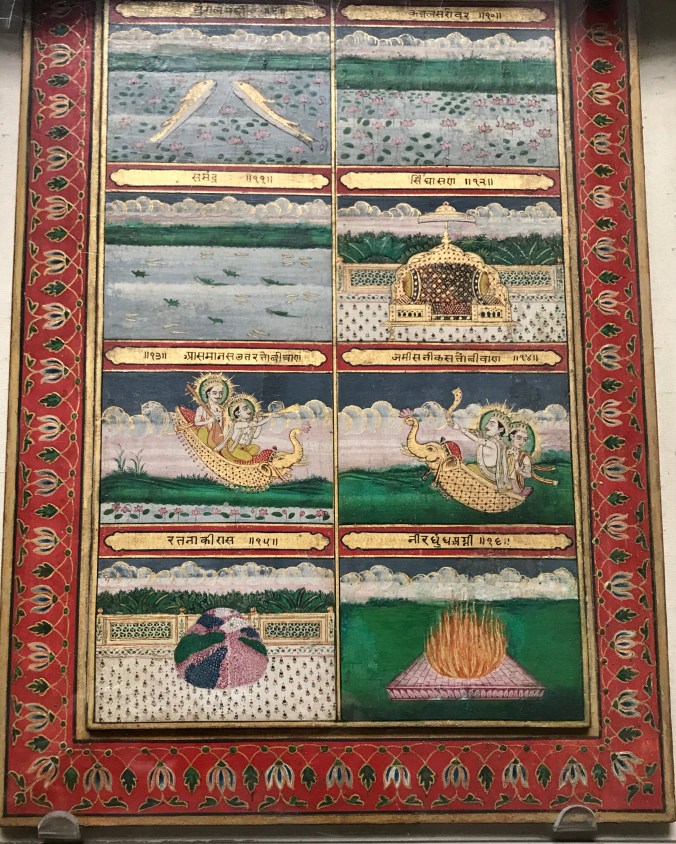
Many examples of miniature paintings, a specialty of this region. Each panel here is about 2-3 inches wide. Many tell a story; this one records the dreams of a woman while she was pregnant with her son.
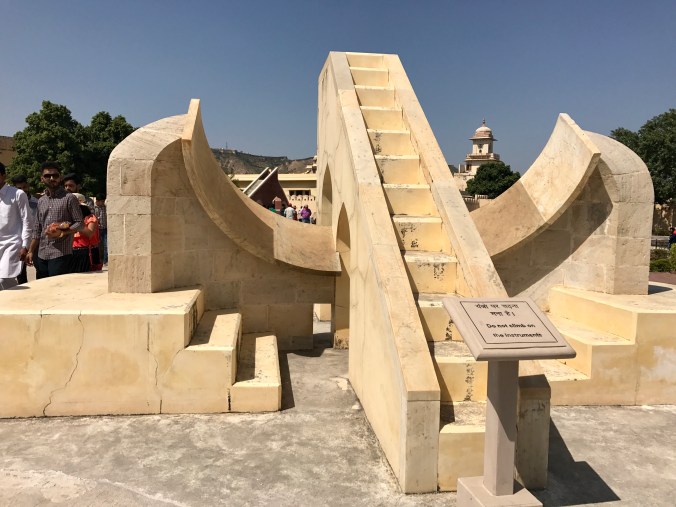
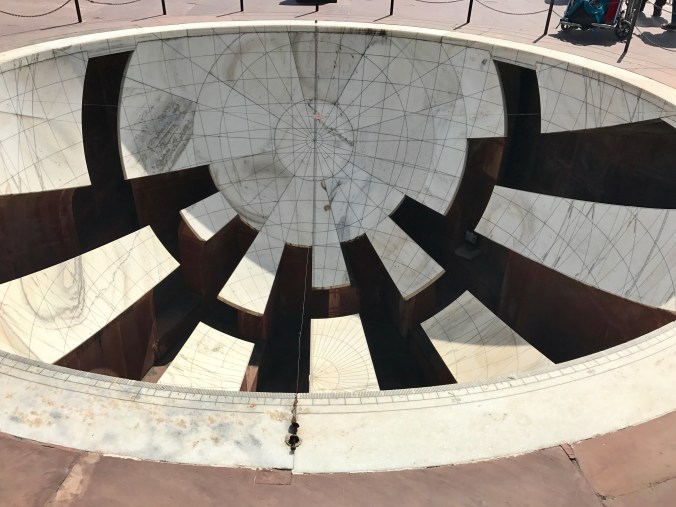
IMG_5818~~~~~~~~~~~~~~~~~~~~~~~~~~~~~~~~~~~~~ Our next stop was at the City Palace, where we concentrated our attention on a series of what look like bizarre sculptures in the courtyard.
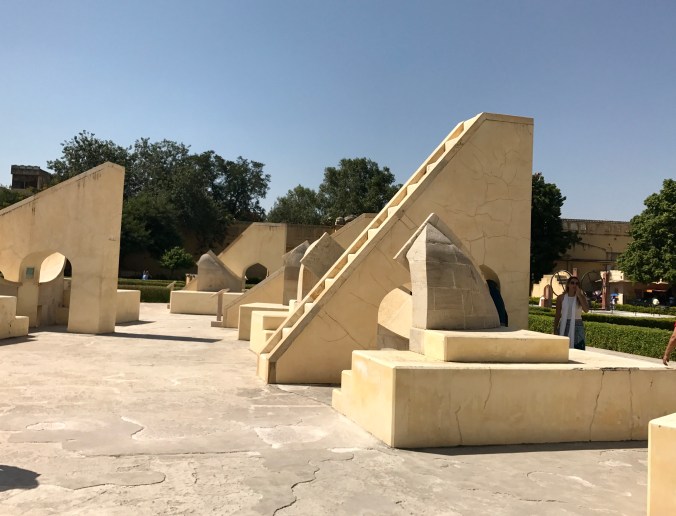
IMG_5865These are actually astronomical instruments that were constructed for taking measurements of and recording data on celestial objects. This is one of a number of such installations in India built in the 17th century by the Maharajah who founded Jaipur.
IMG_5864

Jaya Prakash Yantra, used for finding “all the positions of the heavenly bodies”.IMG_5873
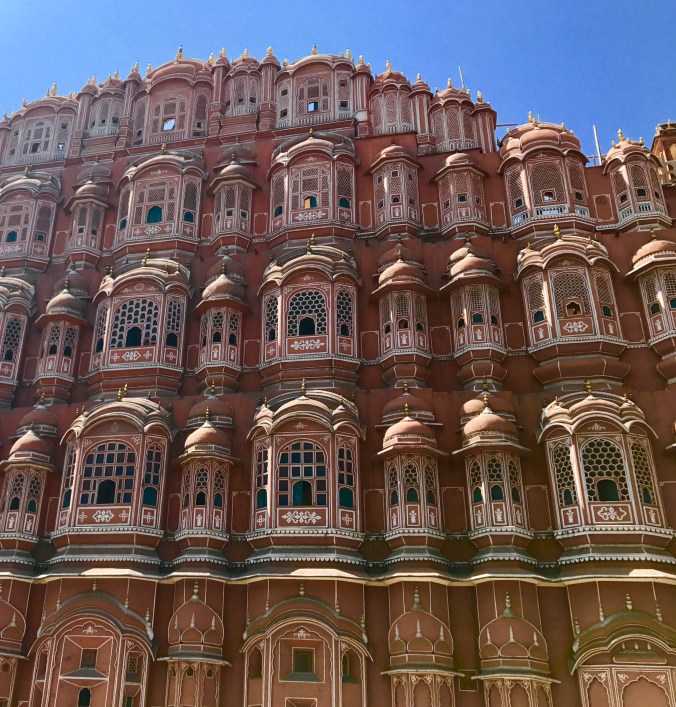
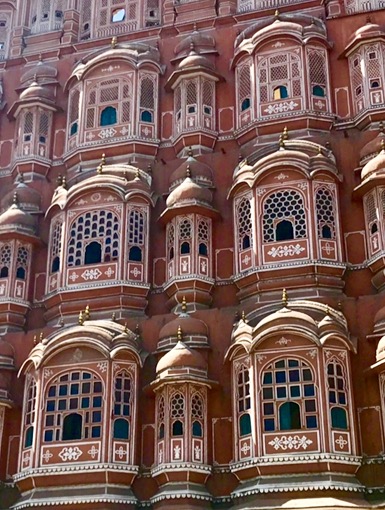
A quick stop along the way to see the Hawa Mahal (“Palace of Winds”) a fantastic honeycomb structure  built by Maharajah Sawai Pratap Singh in 1799 to allow the women of the court to discreetly watch the goings on on the street below.
IMG_5850

The building is constructed of pink sandstone and has close to 1000 windows.
IMG_5933

And now a word about Pink City Rickshaw Company.. This is a social initiative to train 200 women living in the slums to drive, and to take tourists around Jaipur on pre-arranged routes. Our driver (“Pinky”) was fearless, dealing not just with the mind  blowing traffic, but the dirty looks and insults of many male rickshaw drivers. The picture below was taken by someone at the company at their request, to use on their website.
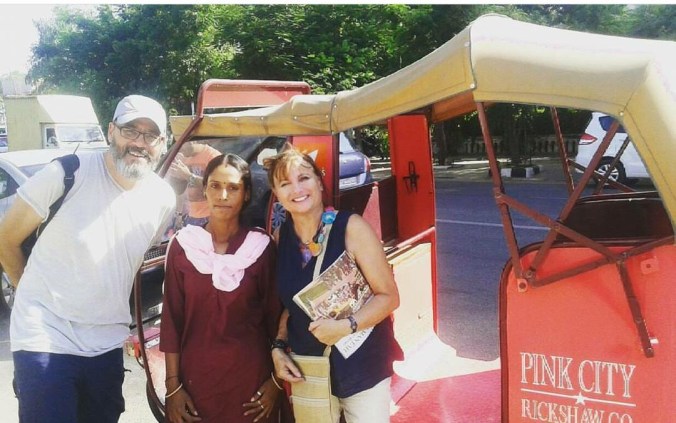
IMG_5938With our driver

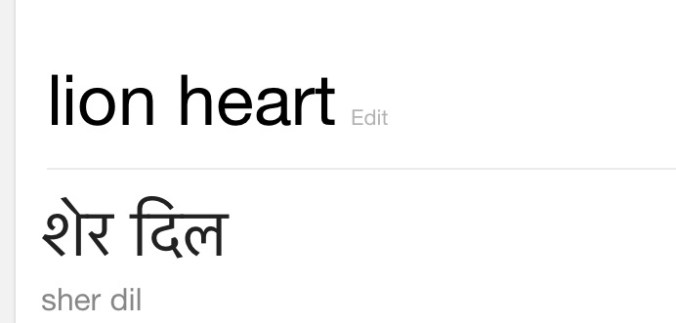
“Pinky” had a small journal, and she motioned to me to ask if I would write something in it (only one other person so far had done so). Along the way I had looked up how to say “You have the heart of a lion” in Hindi. I showed it to her on my phone and then wrote the English version in her book.IMG_5891~~~~~~~~~~~~~~~~~~~~~~~~~~~~~~~~~~~~
Agra ~ Fatehpur Sikri

IMG_5568

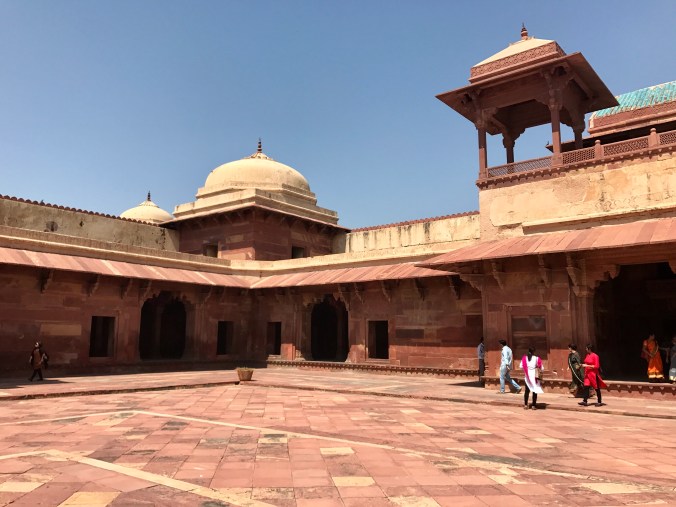
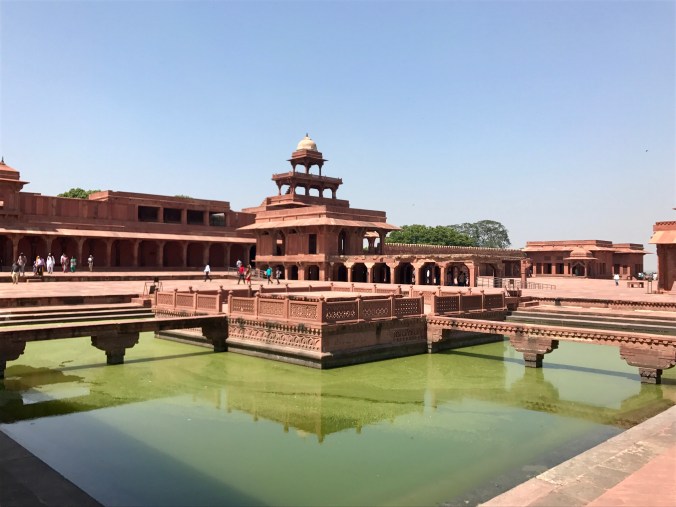
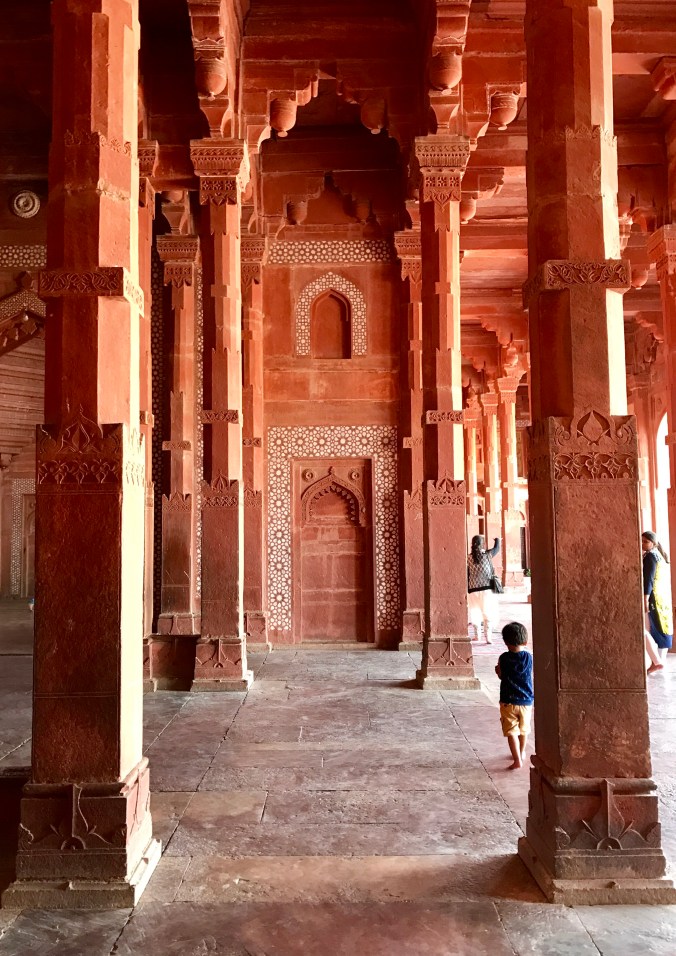
This former Mughal capital is an hour or so outside of Agra proper. It was built by Emperor Akbar in the 1570’s. Amazingly, most of the important buildings have survived and are largely intact. The open square above was used for markets, in particular for the Emperor’s wives and (many) harem members, who of course did not go out to shop.

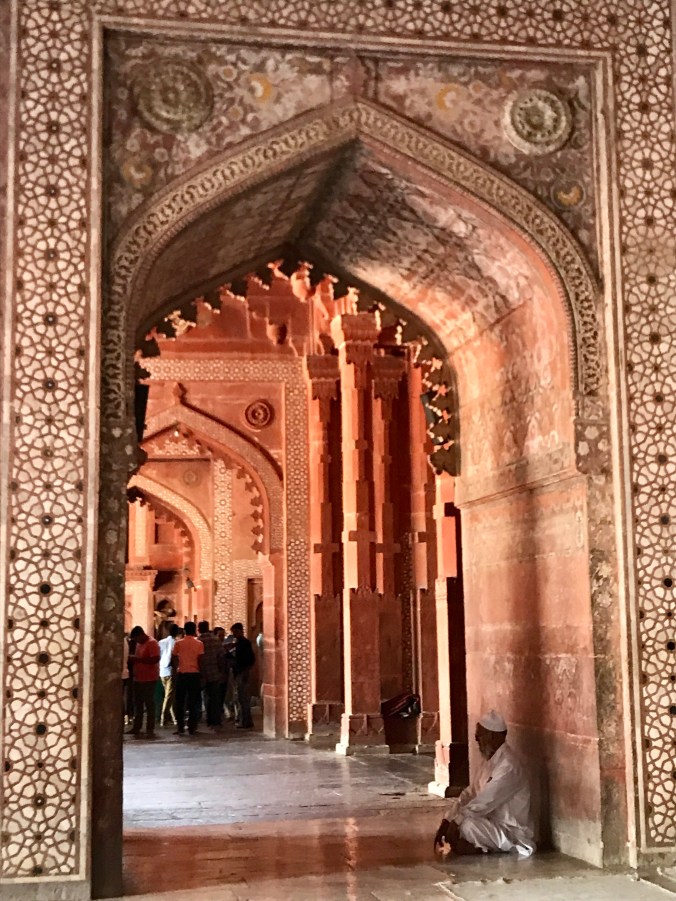
Along with its impressive size and design, the site is notable for its blending of Muslim and Hindu motifs. (Note that Akbar had three wives of three different faiths). Akbar only occupied his palace here for 14 years before moving the capital of his empire from Agra to Lepore.

IMG_5600

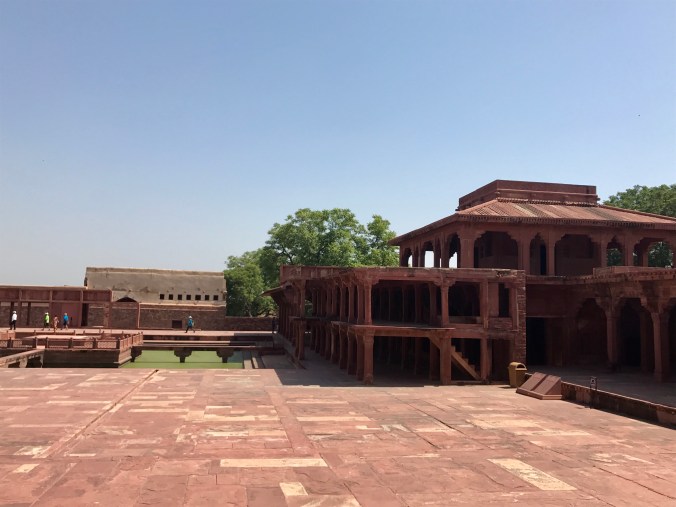
Performances on the central platform, above, we’re viewed from the seating below.

IMG_5586

IMG_5693

IMG_5588The Emperor’s bed, raised up for added security and improved ventilation.

IMG_5695

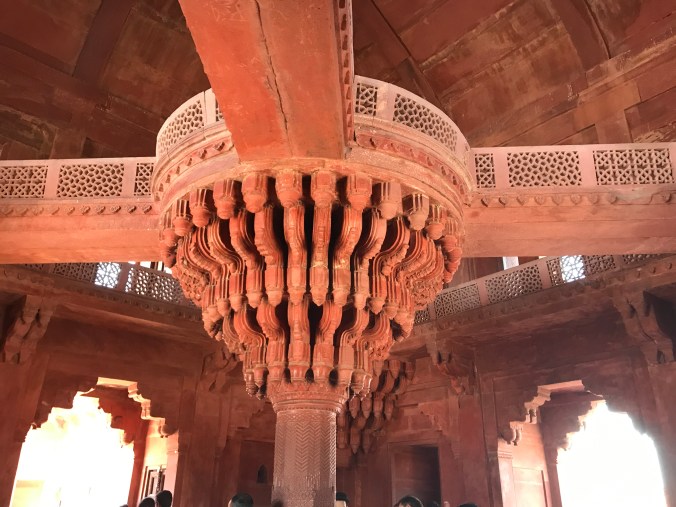
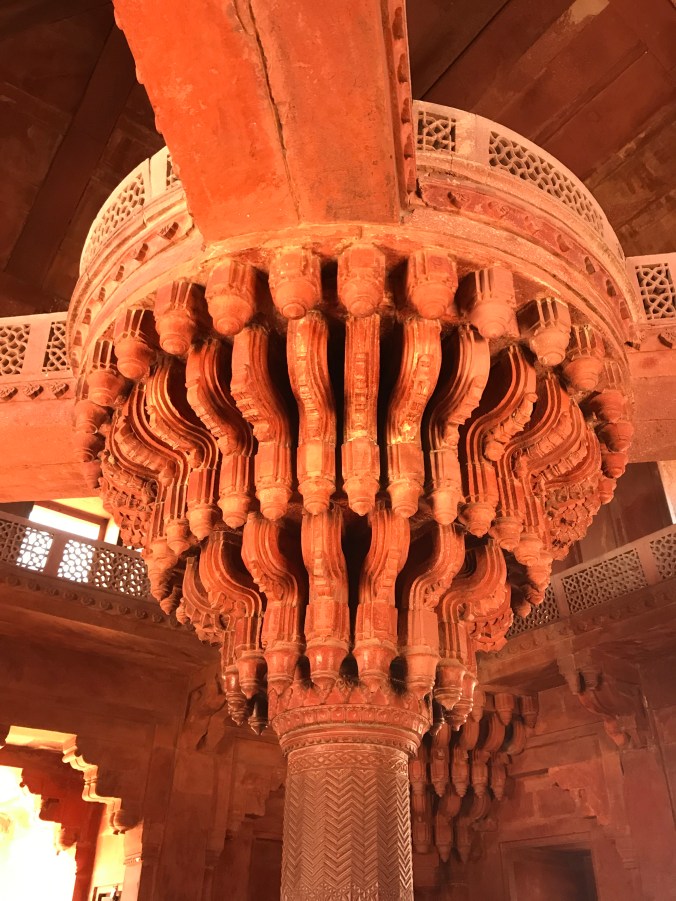
Akbar sat in the center of the top of this pillar to preside over the resolution of disputes brought to him by his subjects.

IMG_5634

IMG_5633

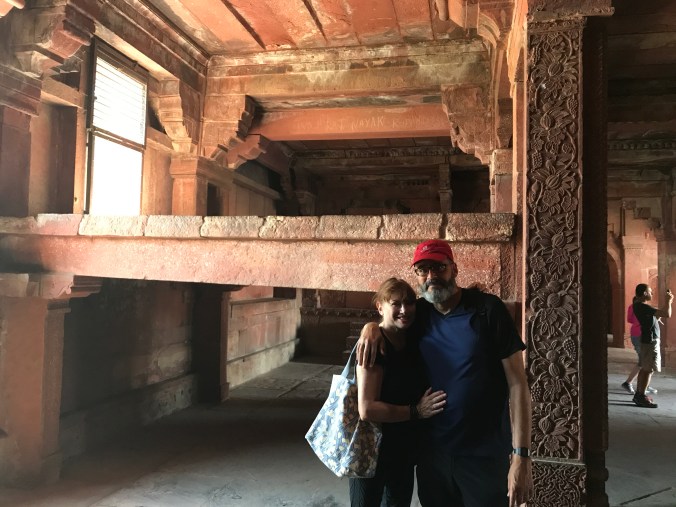
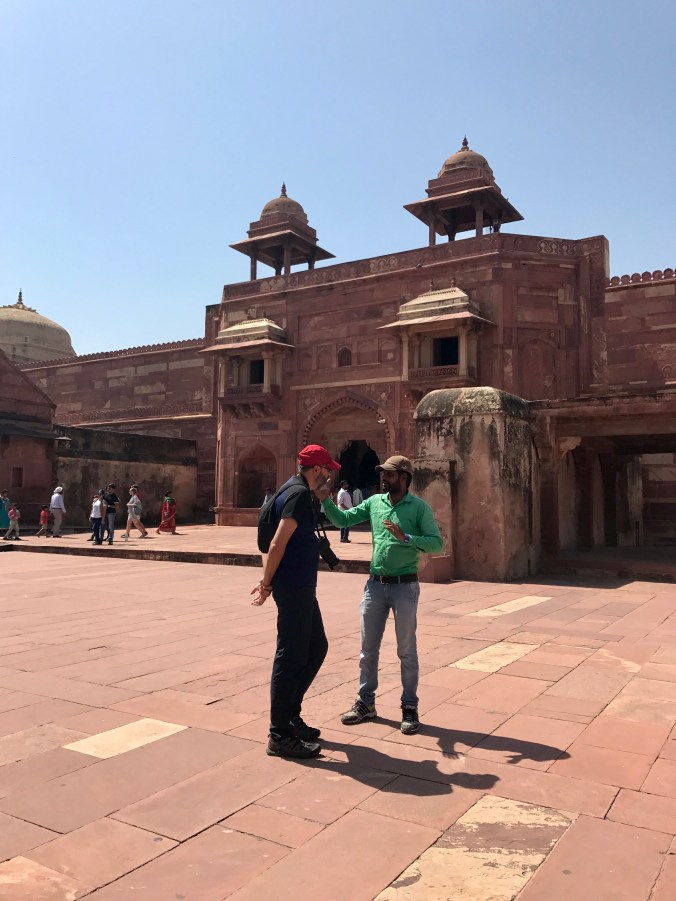
Jay with our guideIMG_5575

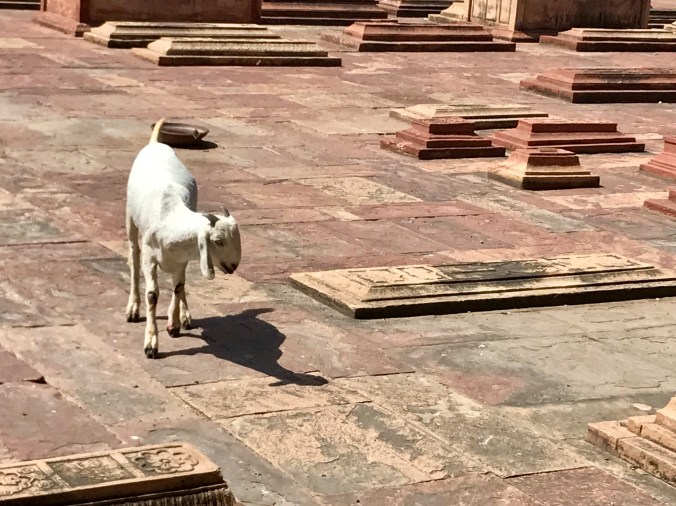
IMG_5675Graves in the courtyard


Agra ~ The Red Fort and the Taj Mahal

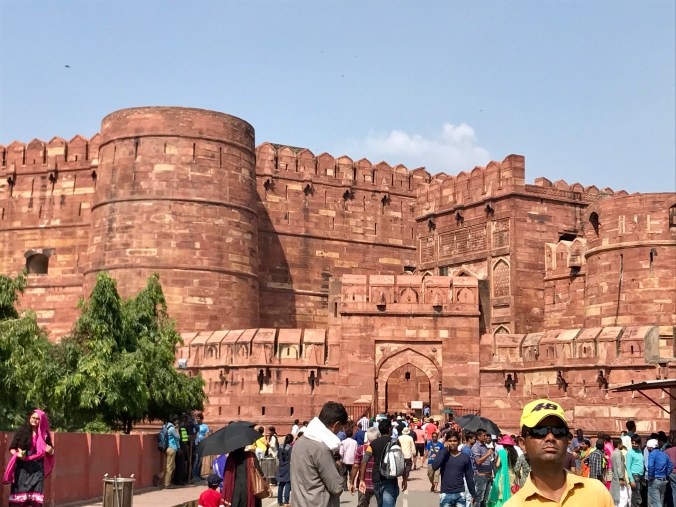
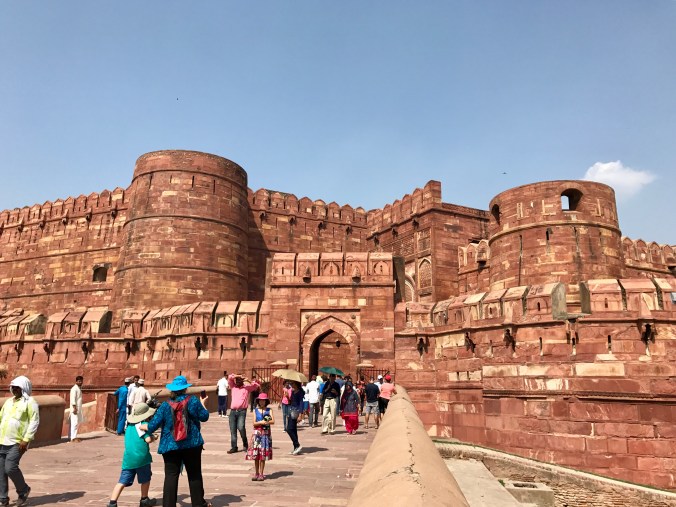
IMG_5520~~~~~~~~~~~~~~~~~~~~~~~~~~~~~~~~~~~~  Below, the massive Agra Fort, home of a succession of Mughal emperors
IMG_5442

IMG_5448

IMG_5443

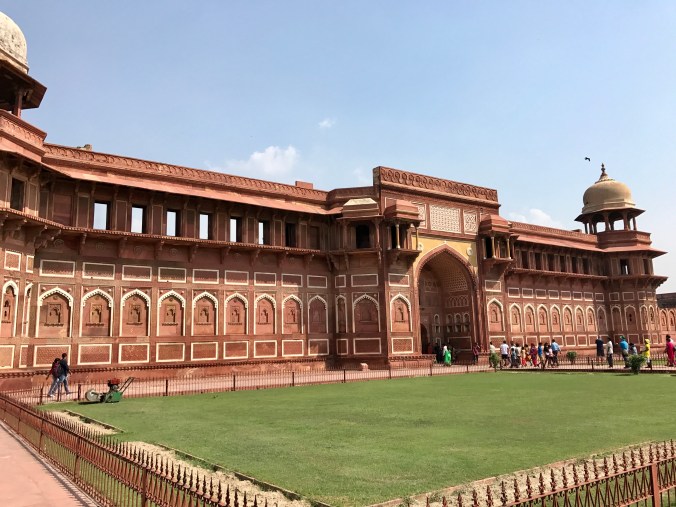
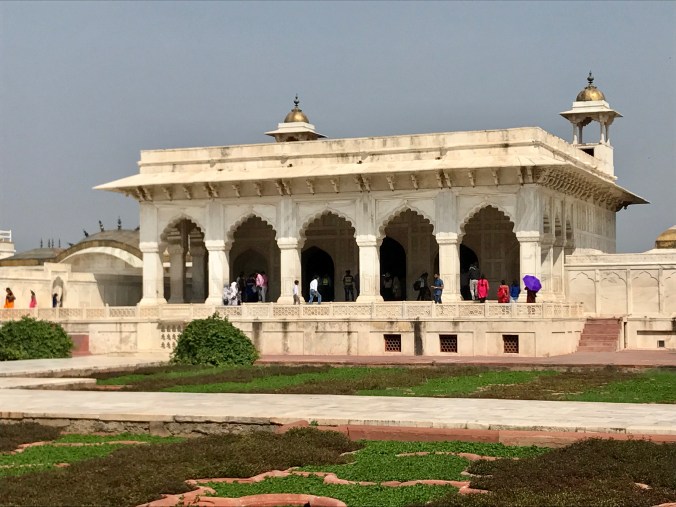
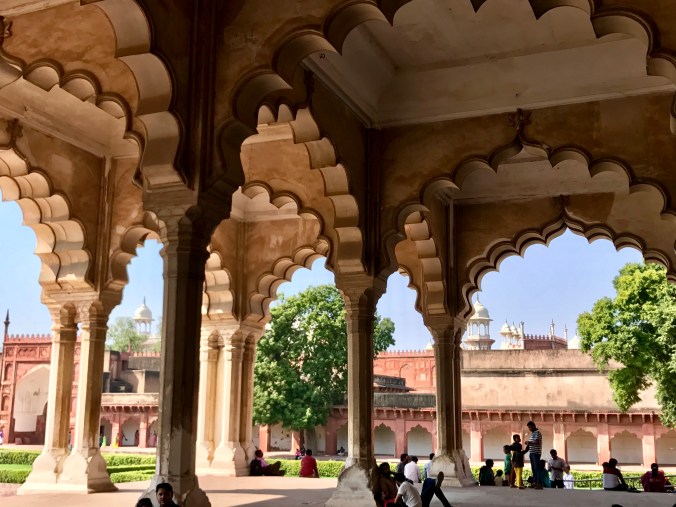
Within the Fort complex, the marble Hall of Public Audience (“The People’s Court”). There’s a second, similarly constructed  Hall of Private Audience which was for the Emperor’s meetings with ambassadors and other VIPs.

IMG_5451

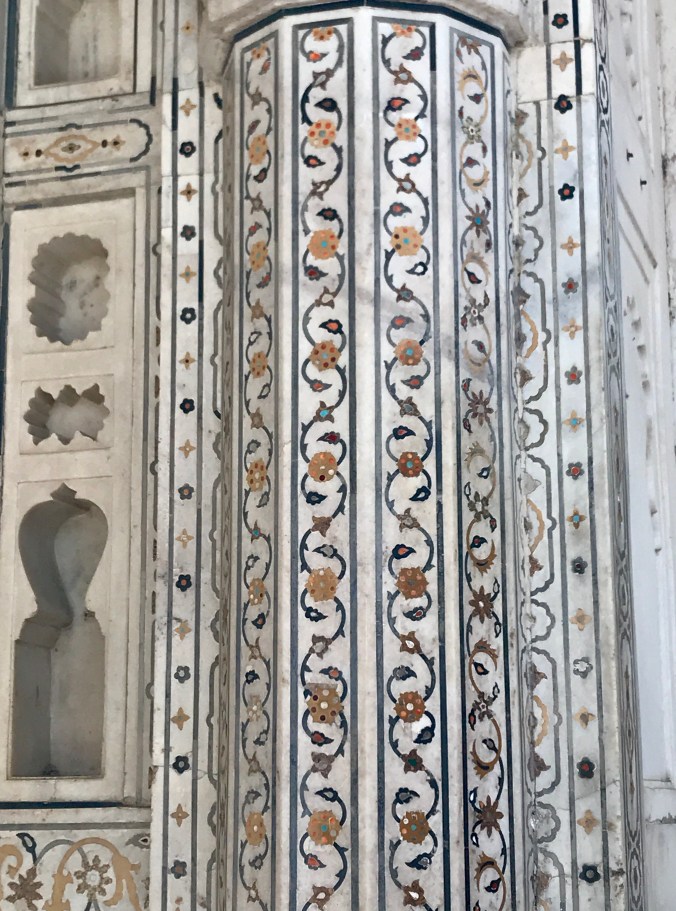
Less like a “Fort” more like a fortified compound, it includes 16 separate palaces and dozens of other buildings, many of white marble with elaborate decoration.

IMG_5485

IMG_5471

IMG_5472

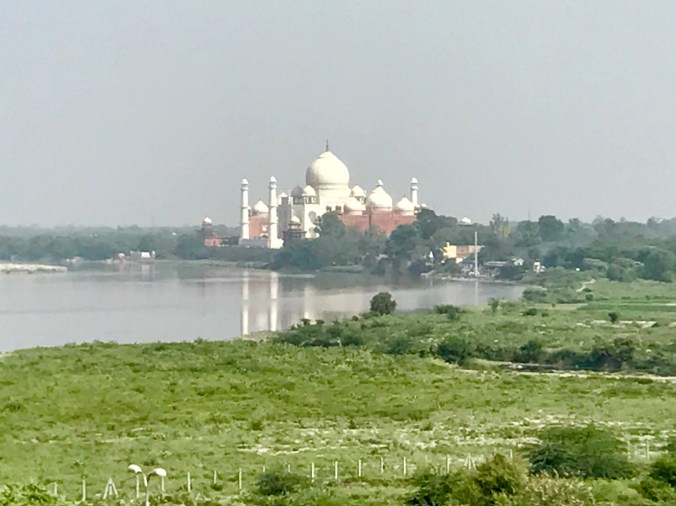
Shah Jahan, who built the Taj Mahal for his wife Mumatz, was imprisoned in one of these buildings by his youngest son, who took control of the throne (killing his two older brothers along the way just to be on the safe side). From his prison the former Shah was able to gaze at the Taj, where he too was eventually buried.

(this view zoomed in)IMG_5464

Because of its proximity to the Taj Mahal, much of the Fort has been closed to the public and is presently occupied by the Indian military, reportedly to allow for a rapid defensive response in the event of an attack.

With a bit of history to prepare us, it’s on to the main Agra event.

~~~~~~~~~~~~~~~~~~~~~~~~~~~~~~~~~~~~~~
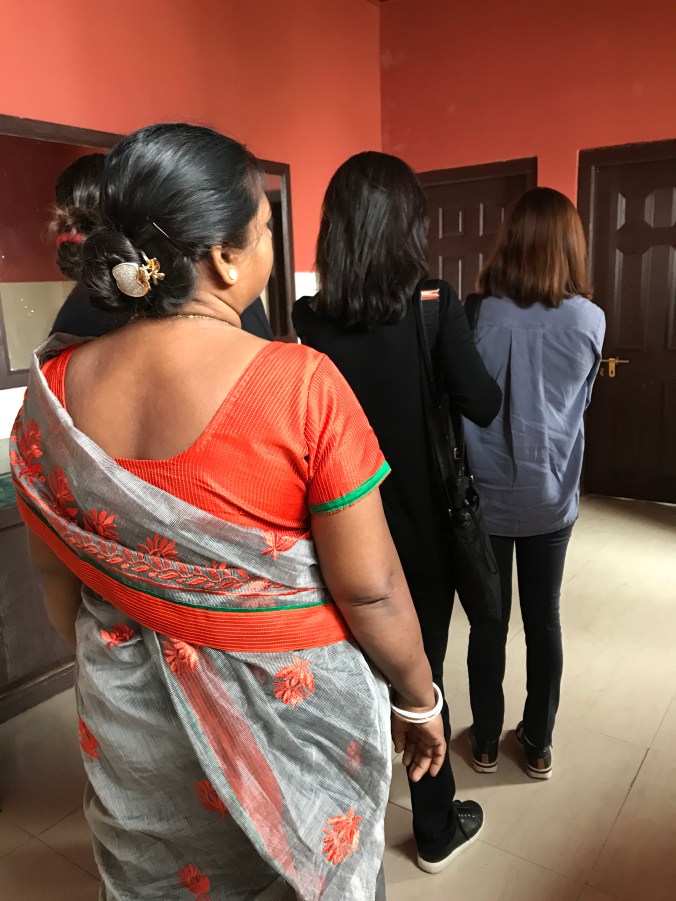
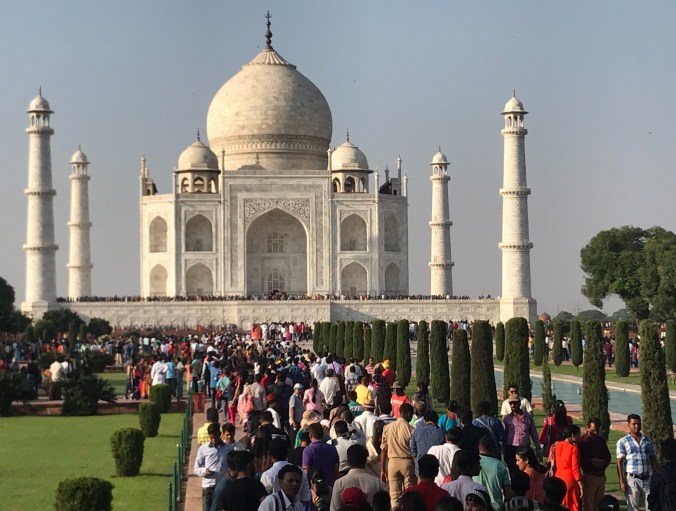
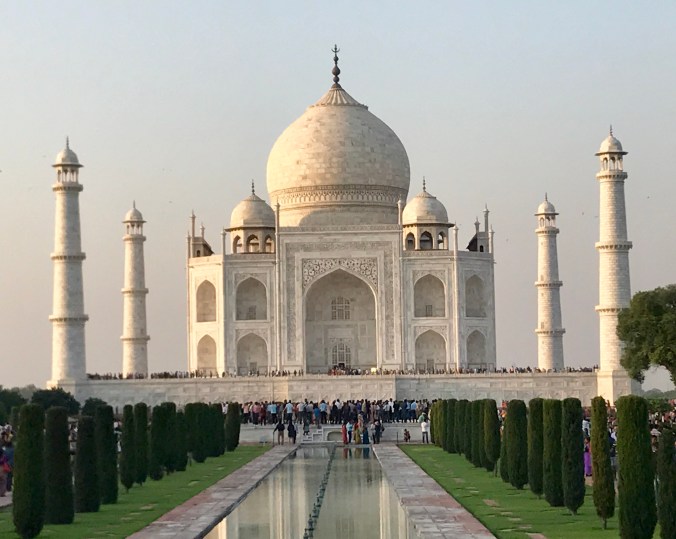
The Taj Mahal at dusk. As breathtaking as imagined.

No photography allowed inside.

IMG_5540

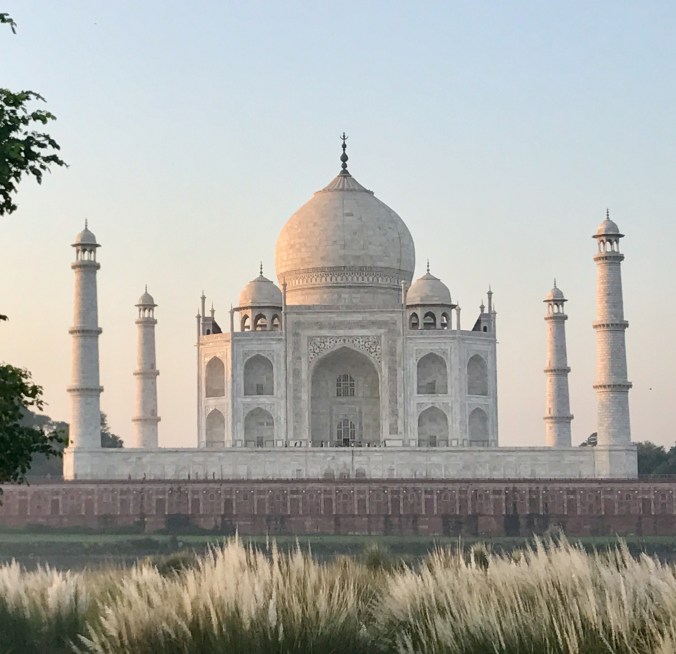
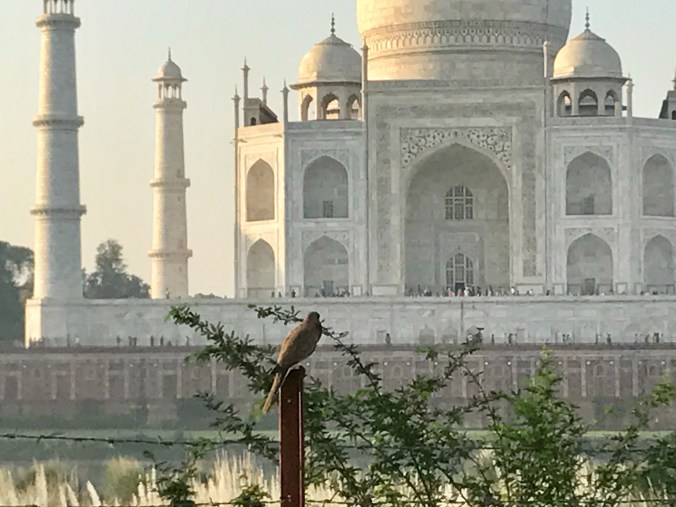
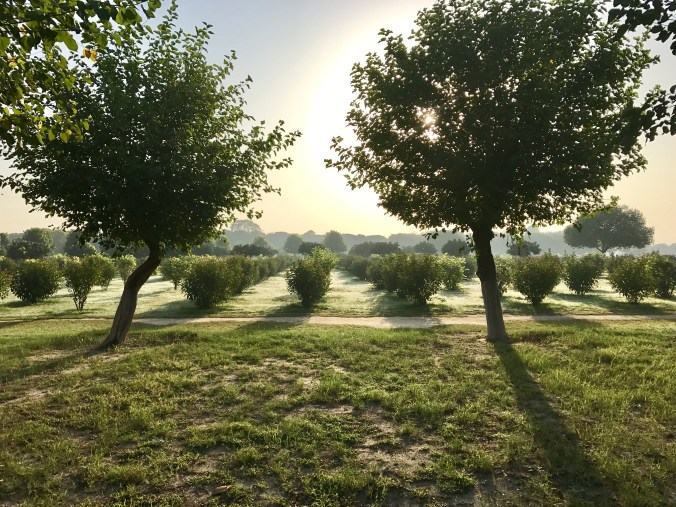
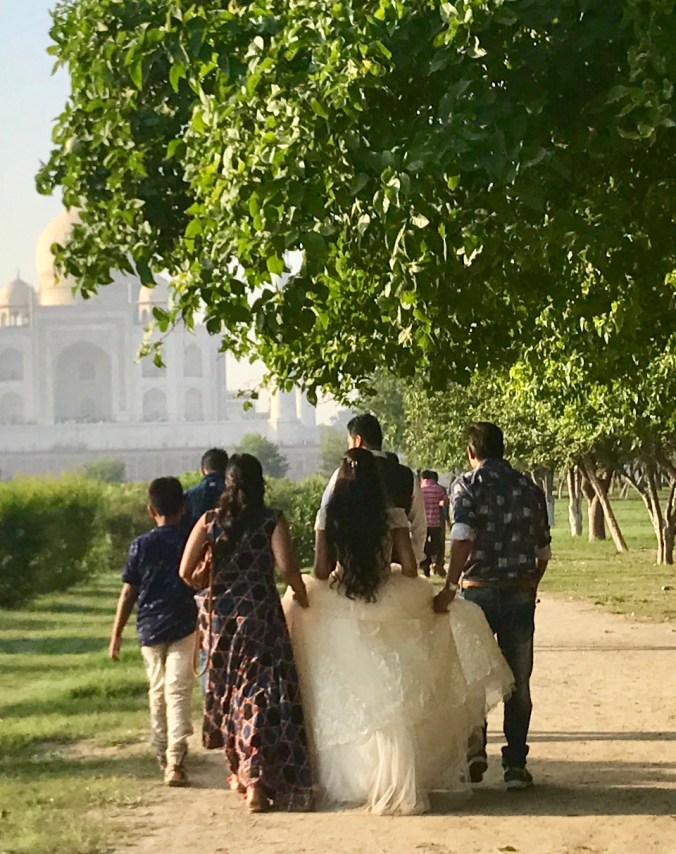
And here it is at dawn, from the garden.

IMG_5705

IMG_5734

IMG_5769

IMG_5773Early morning photo op


Delhi

Still sorting through my feelings from these days in Delhi and Agra. Stunning on many levels.

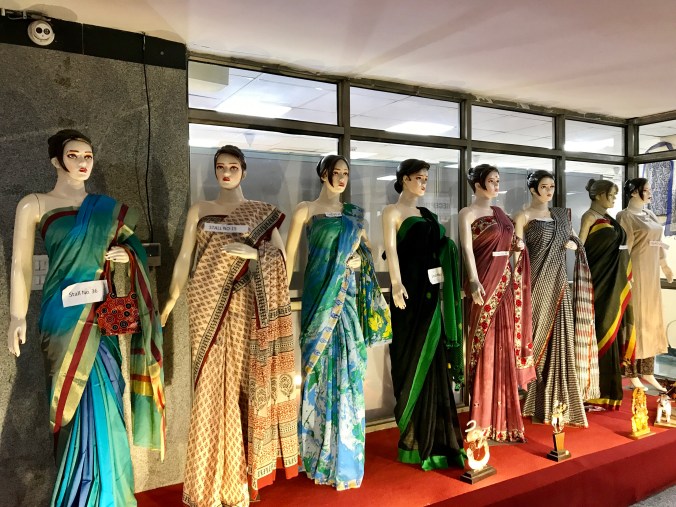
IMG_5346A government sponsored textile exhibition
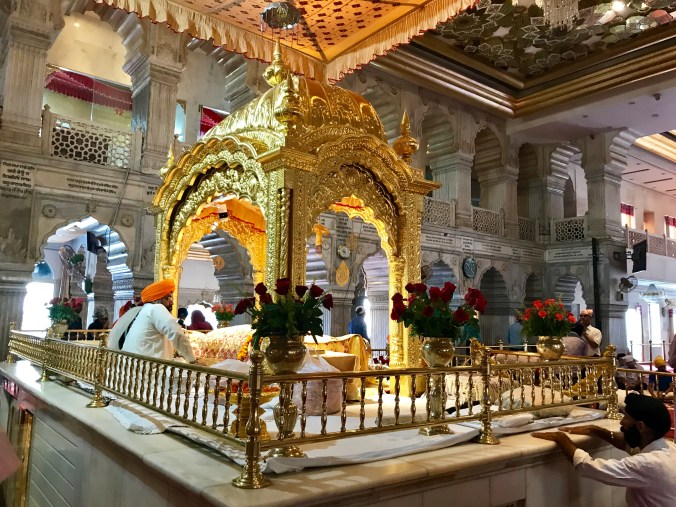
IMG_5358Sis Ganj Sahib Gurudwara, Sikh Temple

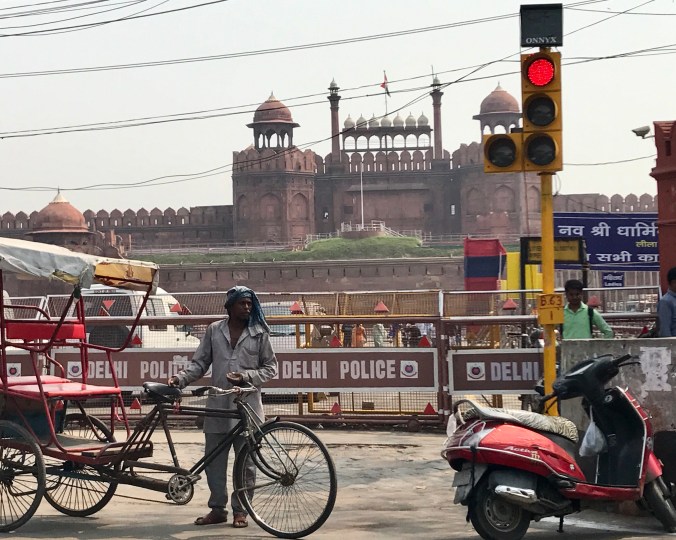
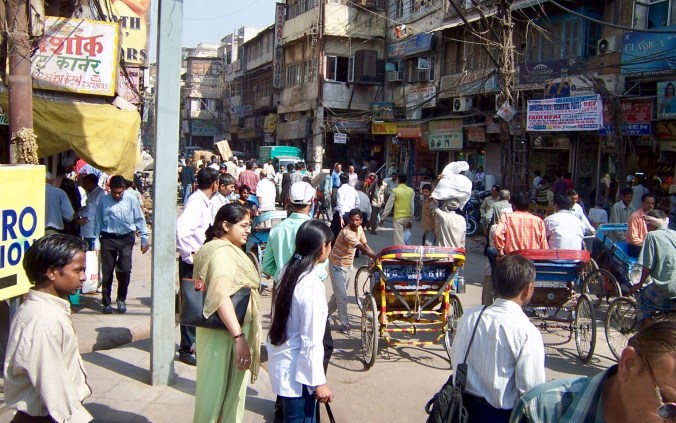
IMG_5361Street life in Old Delhi

IMG_0557

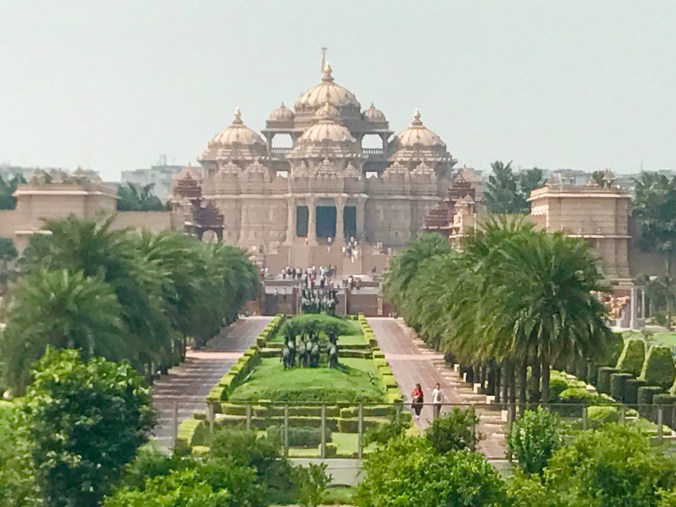
IMG_5378  Akshardham Temple

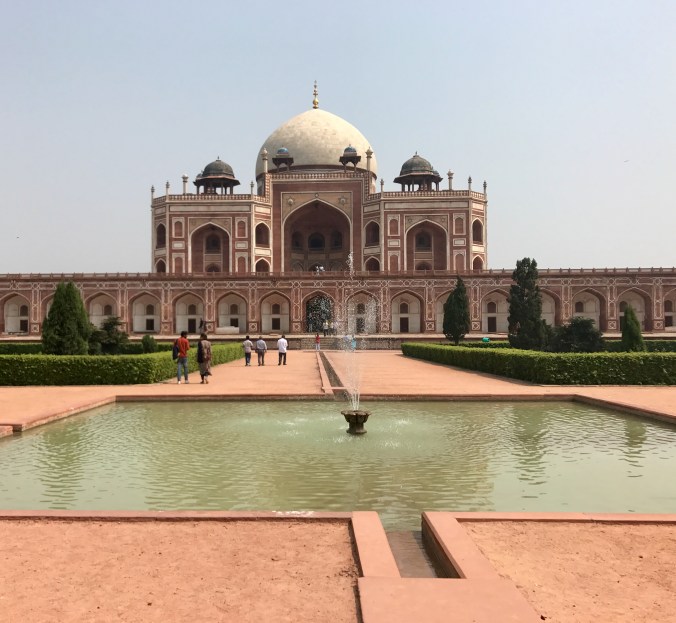
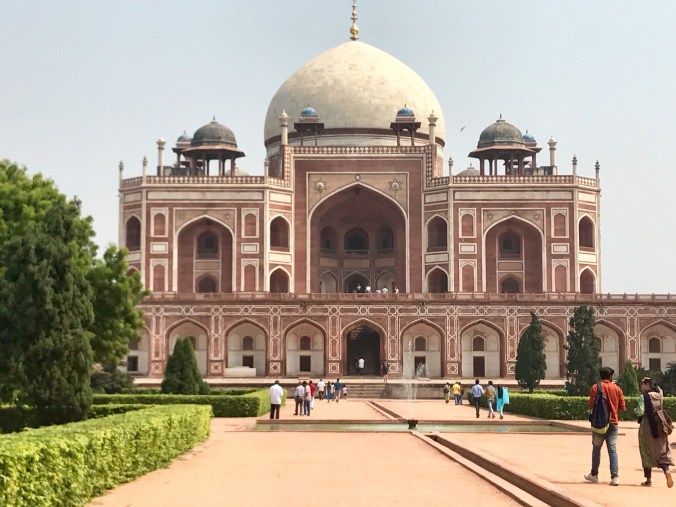
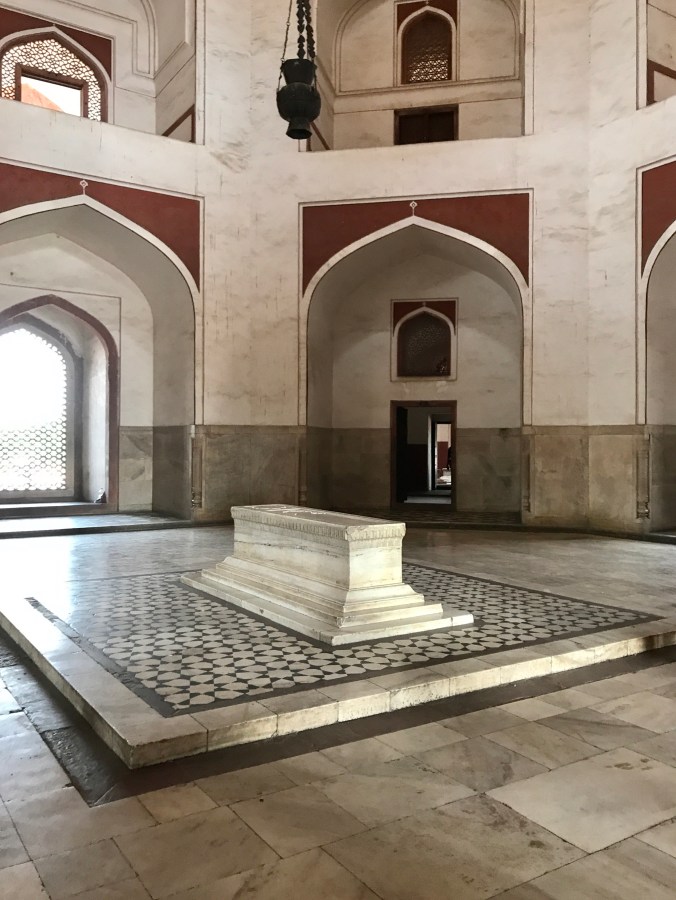
IMG_5401Humayun’s Tomb, built in the 16th century by the widow of this Mughal emperor, it is regarded as the architectural precursor to the Taj Mahal
IMG_5398

IMG_5406

Street traffic in the old city

IMG_5381

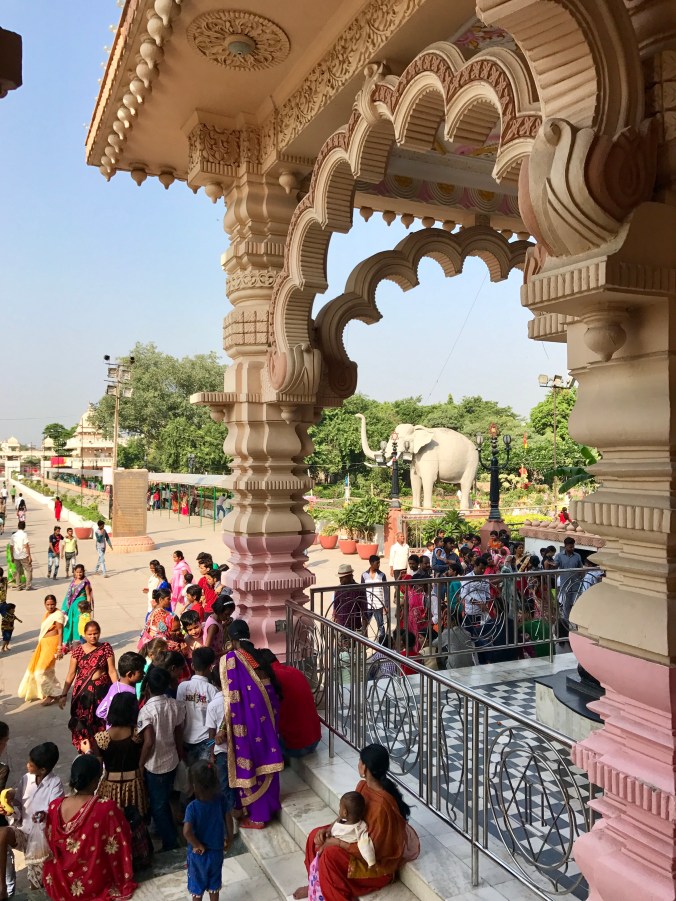
Chhatarpur Temple,  Hindu Temple complexIMG_5417

IMG_5431

IMG_5421

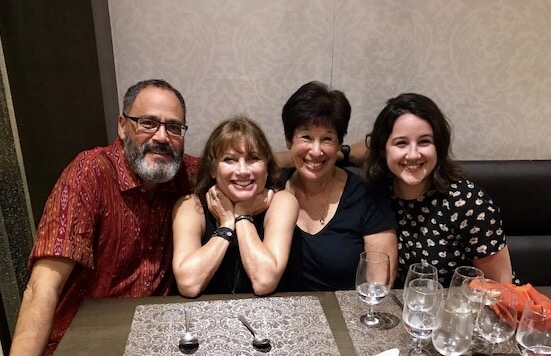
An unexpected pleasure: dinner with friends from home

IMG_5783