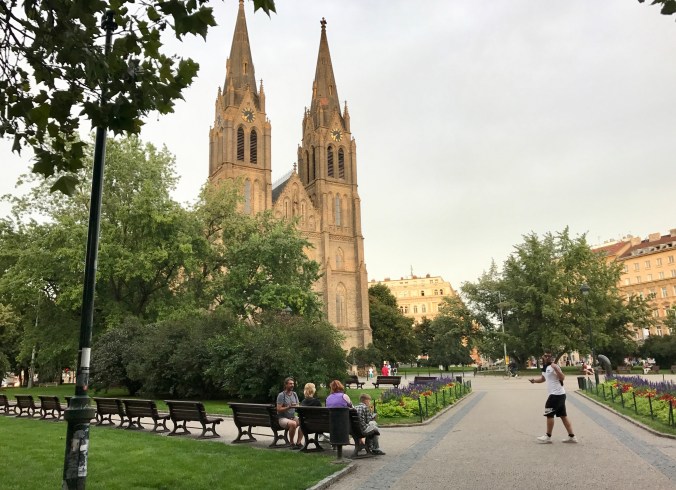
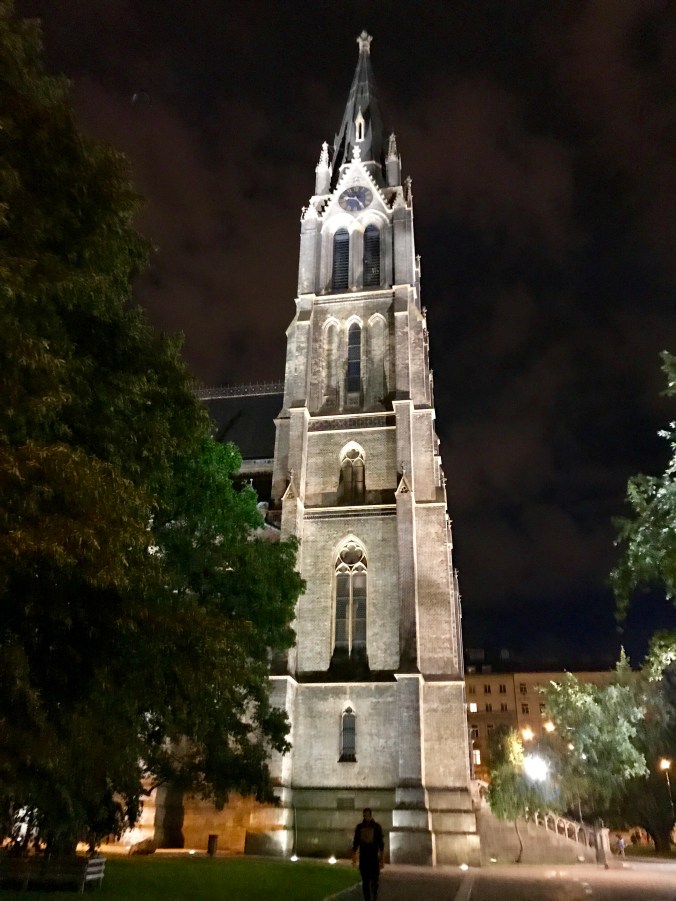
St. Vitus Cathedral

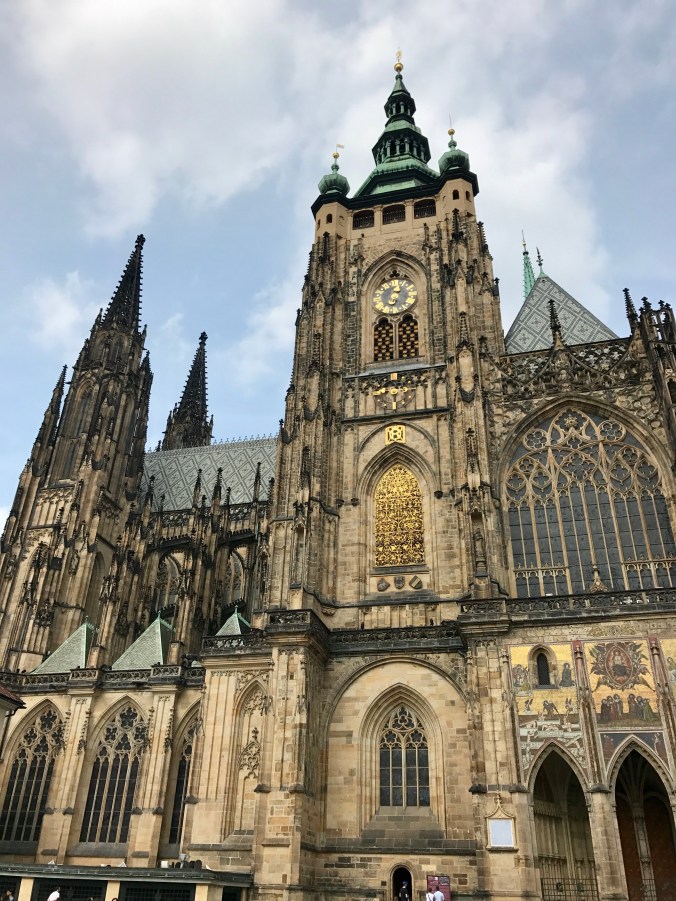
On Sunday at noon we sprinted to the Cathedral, 45 minutes with 200 steps at the finish. And then had what breath was left taken from us.
IMG_3993

The facade of the front part of the Cathedral looks older than it is. It was completed in the 1920’s but was designed to match the older Gothic section.
IMG_3999

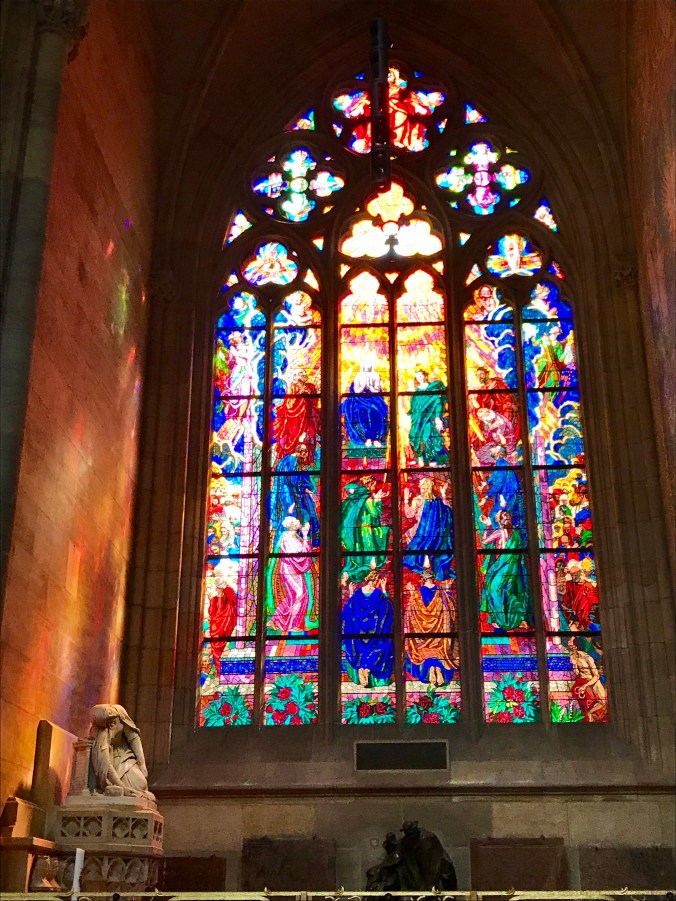
The huge interior is flooded with light.
IMG_4030

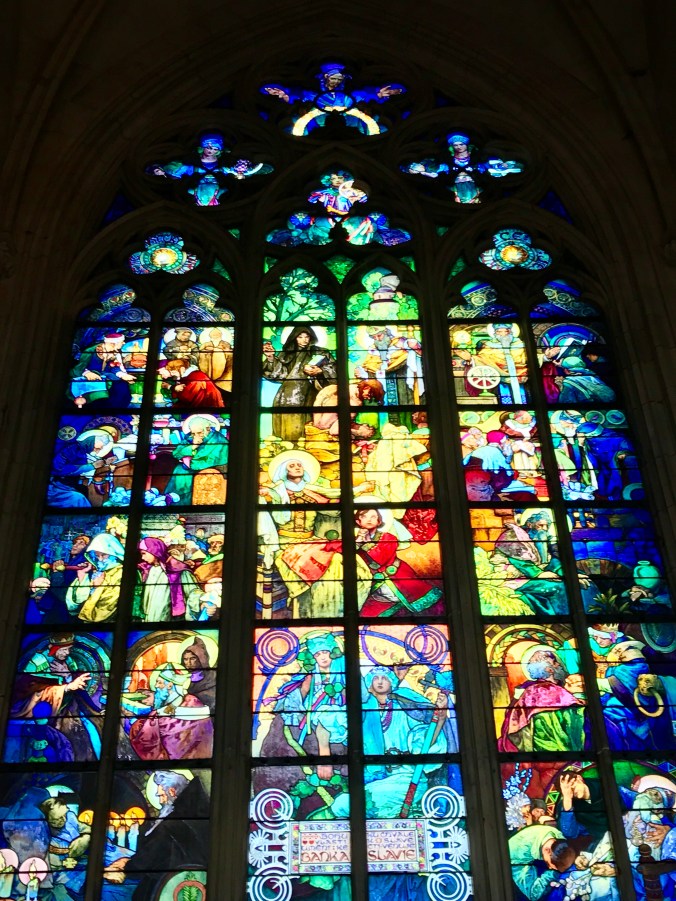
Stained glass windows fill the walls.  Alfons Mucha’s magnificent design pays tribute to the birth of the Czech nation and the life of Wenceslas.
IMG_4034

IMG_4036This small plaque gives credit to the bank that paid for the window.

The Cathedral is the national church of the Czech Republic. It’s here that kings were crowned and buried, and  that relics and the crown jewels are kept.
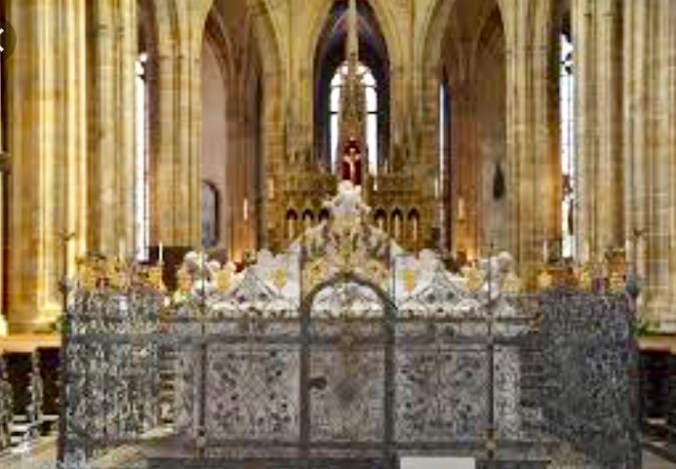
IMG_4061Royal Crypt

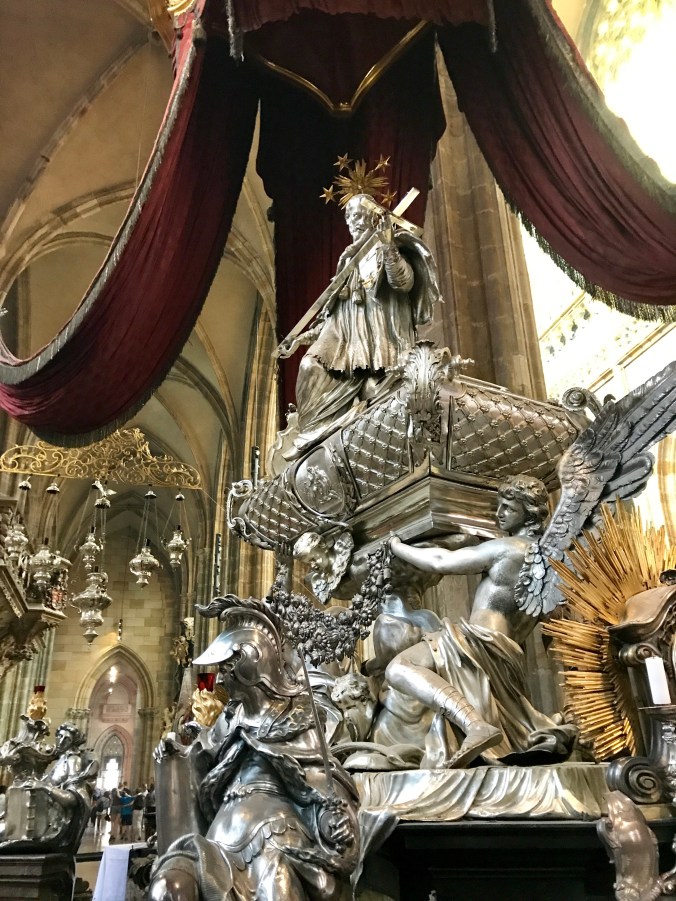
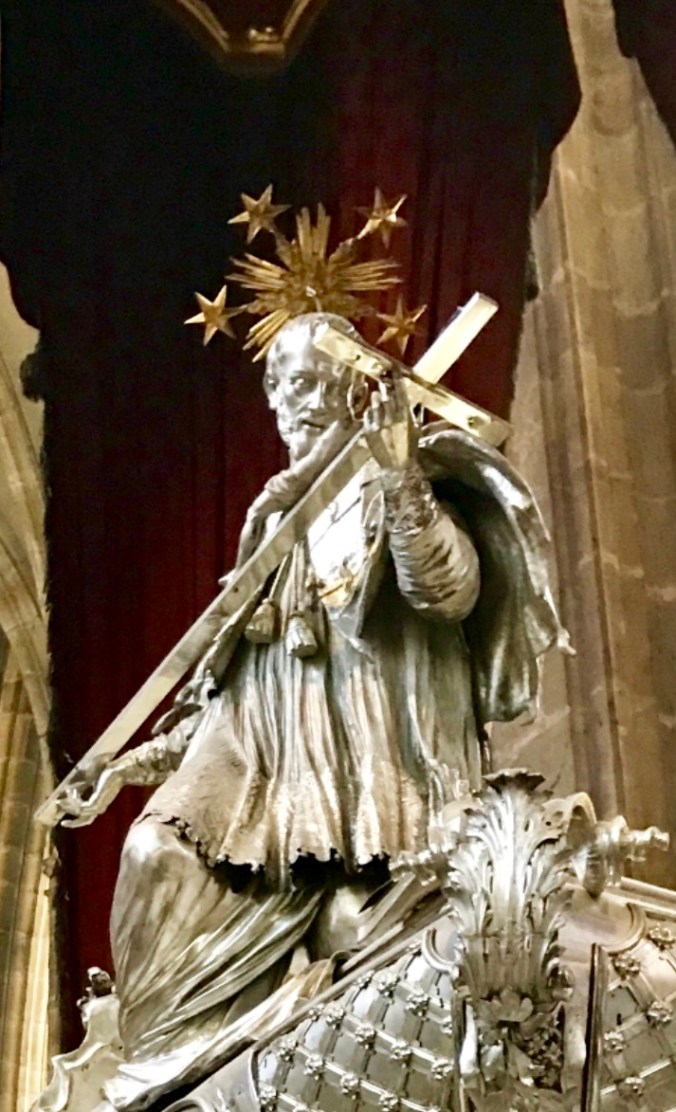
A most elaborate tomb, below. The Queen of Bohemia, Maria Theresa, was an ardent defender of the Roman Catholic faith and a fan of St. John of Nepomuk. During her reign (mid 18th C.) his tomb was enhanced with marble statues and a whole lot of gold and silver.
IMG_4040

IMG_4060

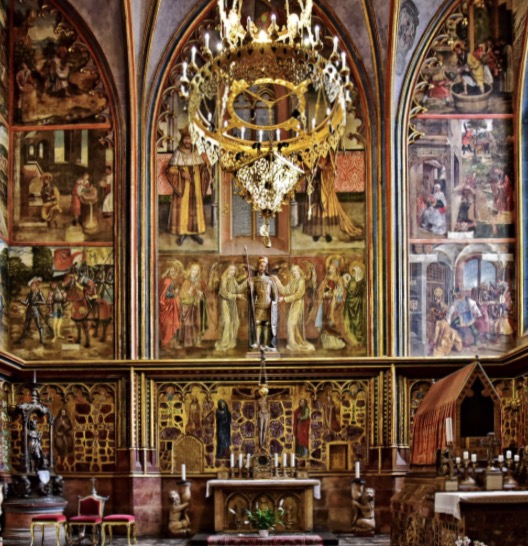
The Wenceslas Chapel, containing the tomb of St. Wenceslas,  patron saint of the Czech nation.
IMG_4059

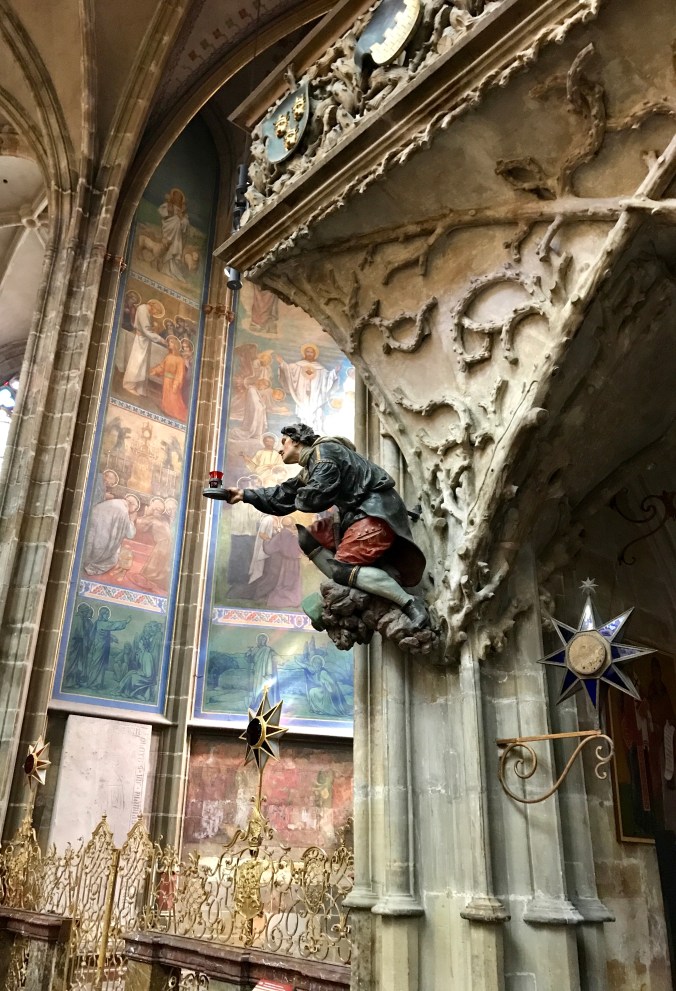
A detail of the King’s private box, connected by a corridor to his apartments in the castle.
IMG_4041

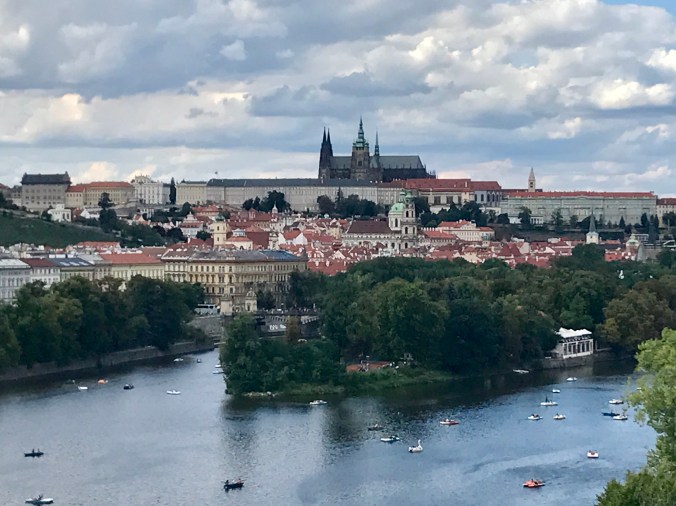
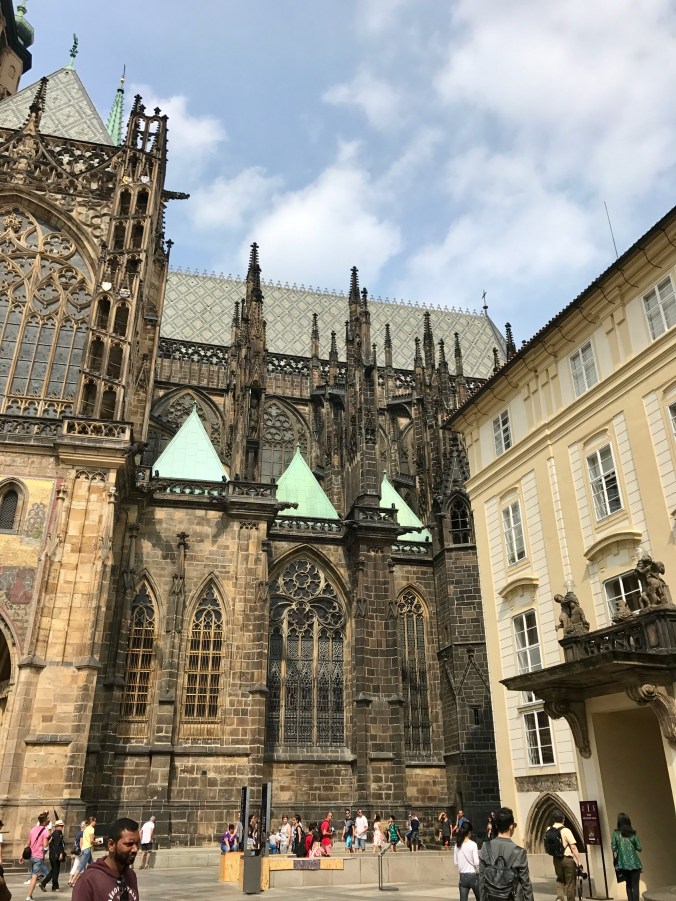
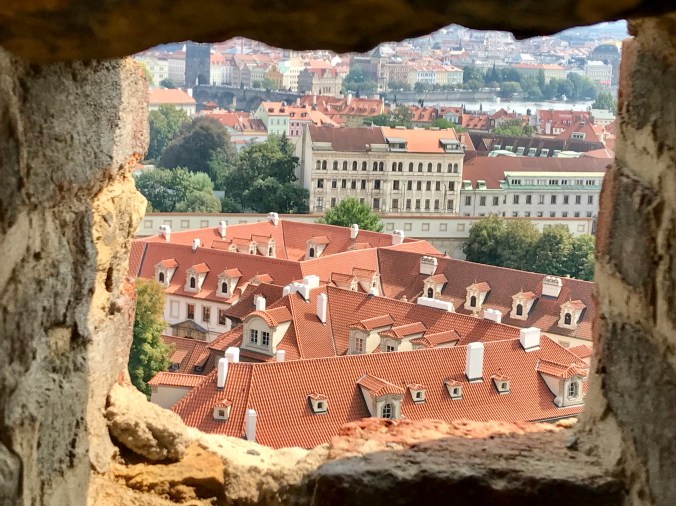
From here, we wondered a bit through the castle courtyards and took in the views.
IMG_4017

With two full weeks in Prague, we’ve been able to settle in.  I’ve had time to do some preparation for my workshops in Australia and Jay has patiently worked through details for the next leg of our travels.

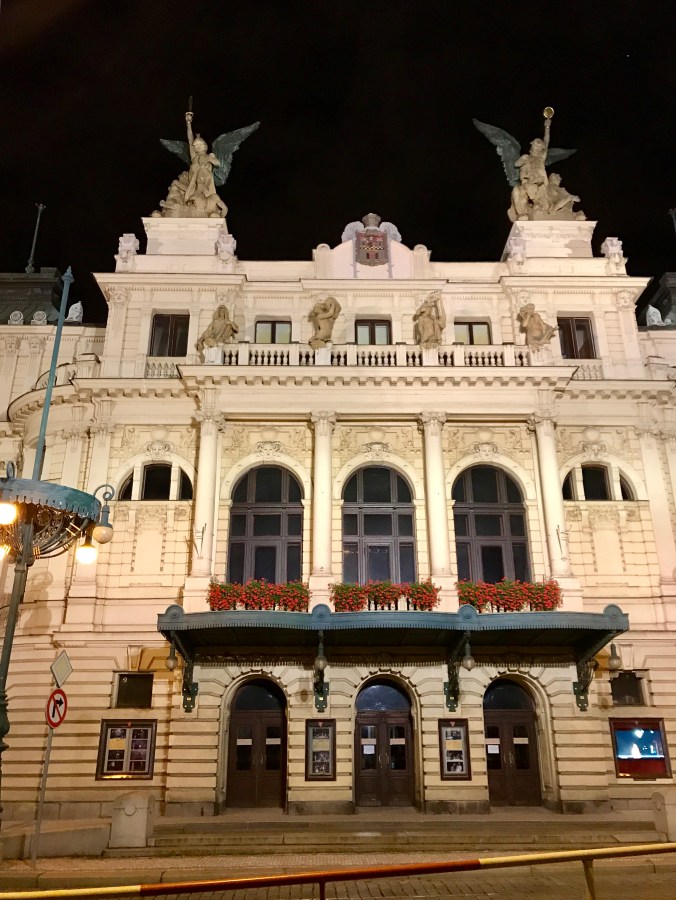
Tonight we are going to a uniquely Czech production at the National Theater. “Laterna  Magika” (“black light” theater) combines live performance and film projections, with illumination against a black backdrop. It’s kind of hard to describe.

Returning to Prague after 10 years, my first impression was that it had been overrun by tourists and chain stores. Jay assured me that we would find the real Prague, and that by the end of our time here, I would not want to leave. He was right. The heart of Prague is unchanged by time, and by all it’s been through. That sense of history and of persistence against all odds is what I loved about this place. Like the people I love most, Prague is a survivor.
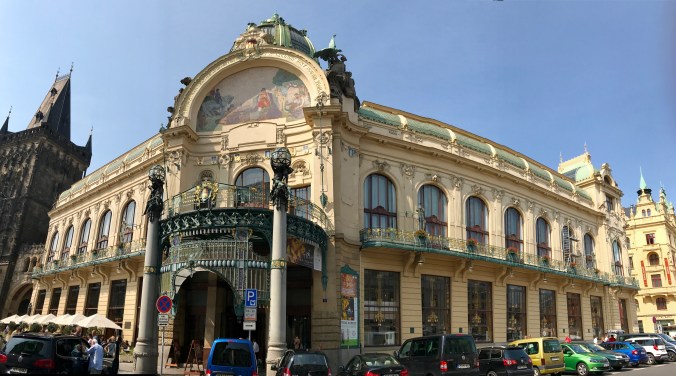
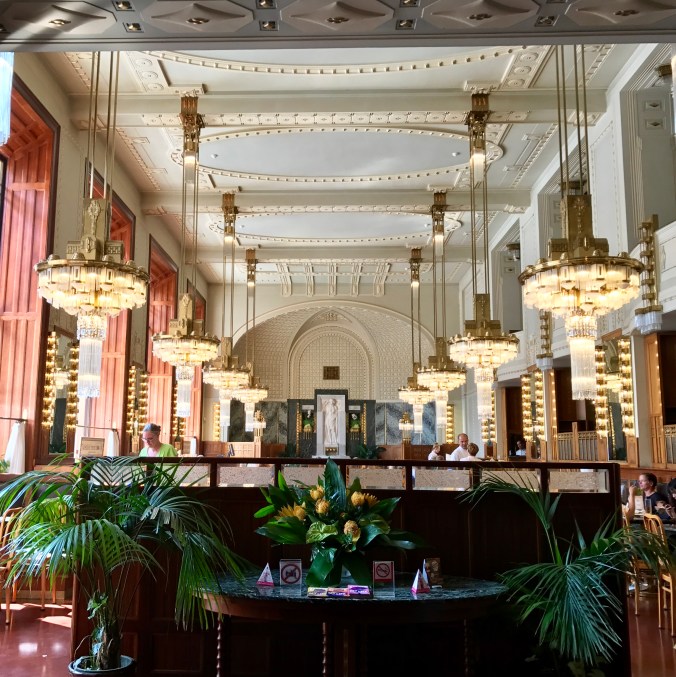


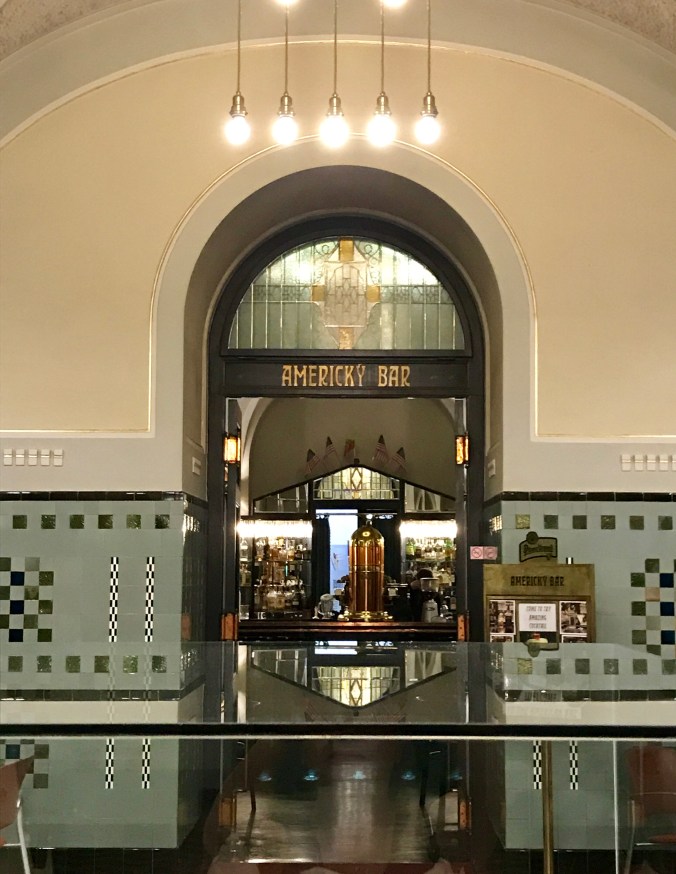
The Municipal House

IMG_3899

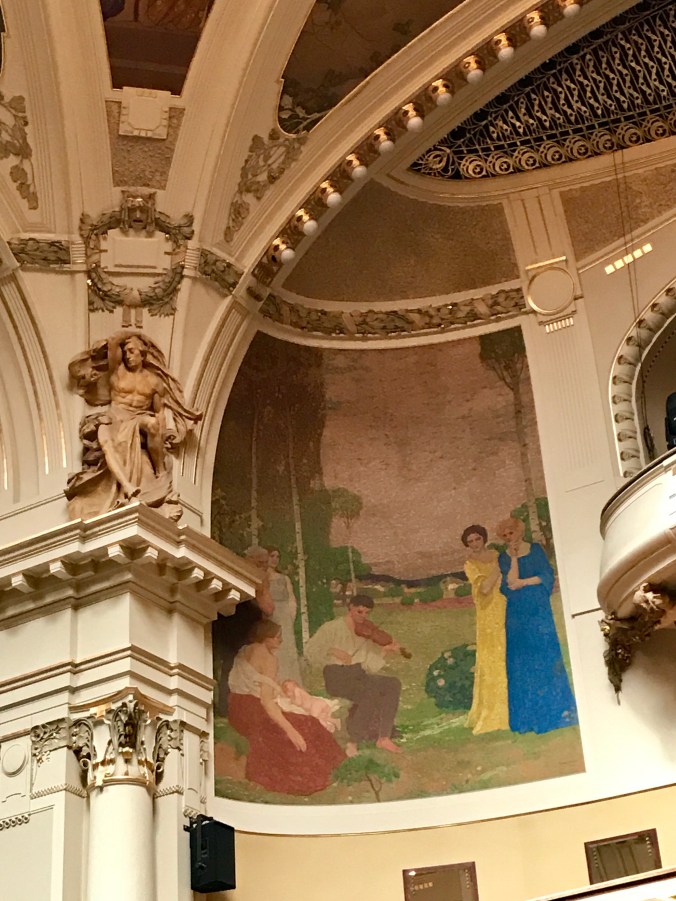
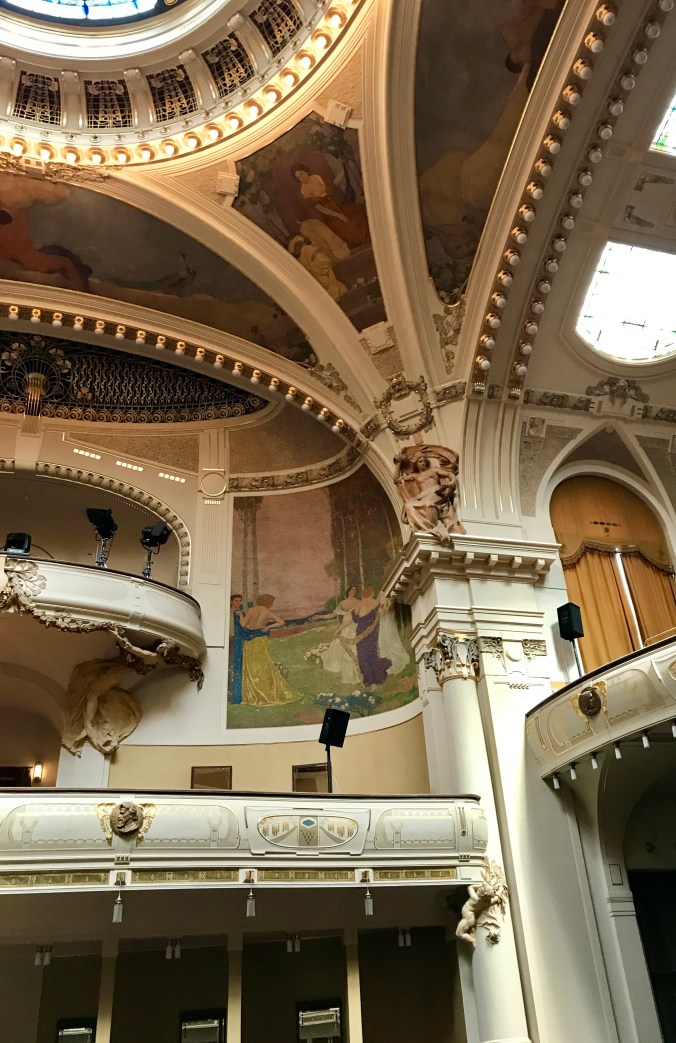
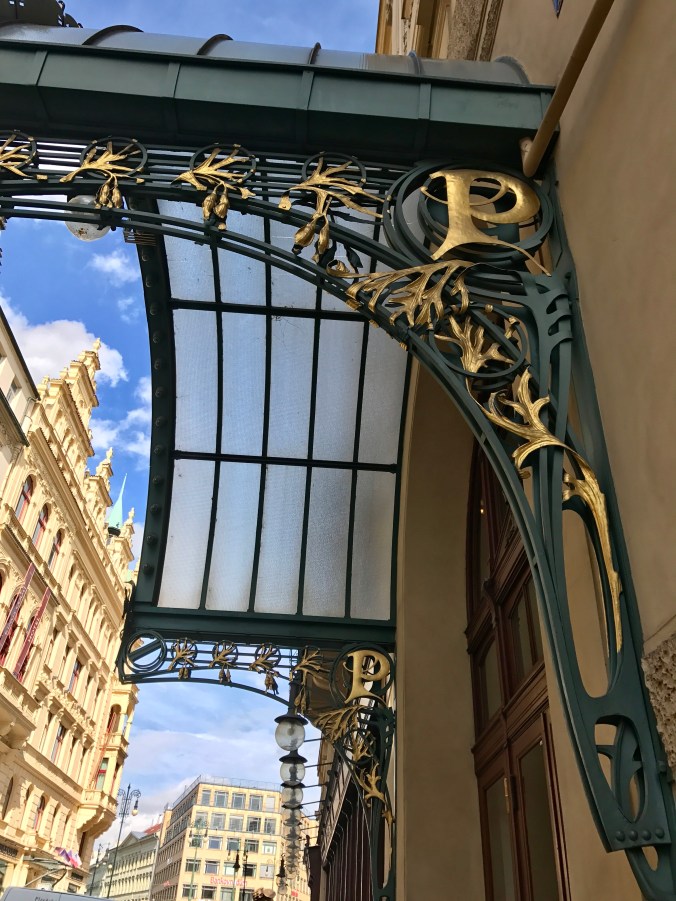
The Municipal House, built from 1905 to 1911, is a showplace of Art Deco architecture inside and out. Starting with the coffee shop

IMG_3907

the stairwells

IMG_3912

the oldest bar in Prague

IMG_3916

And extending to all of the many rooms large and small, which have been maintained, or restored, to glorious effect.

IMG_3928

Above and below, details of the gallery decoration in Smetana Hall, the largest concert hall in Prague. Our guide explained that this room is used for a variety of purposes, including public meetings, private events, and ballroom dance classes.

IMG_3927

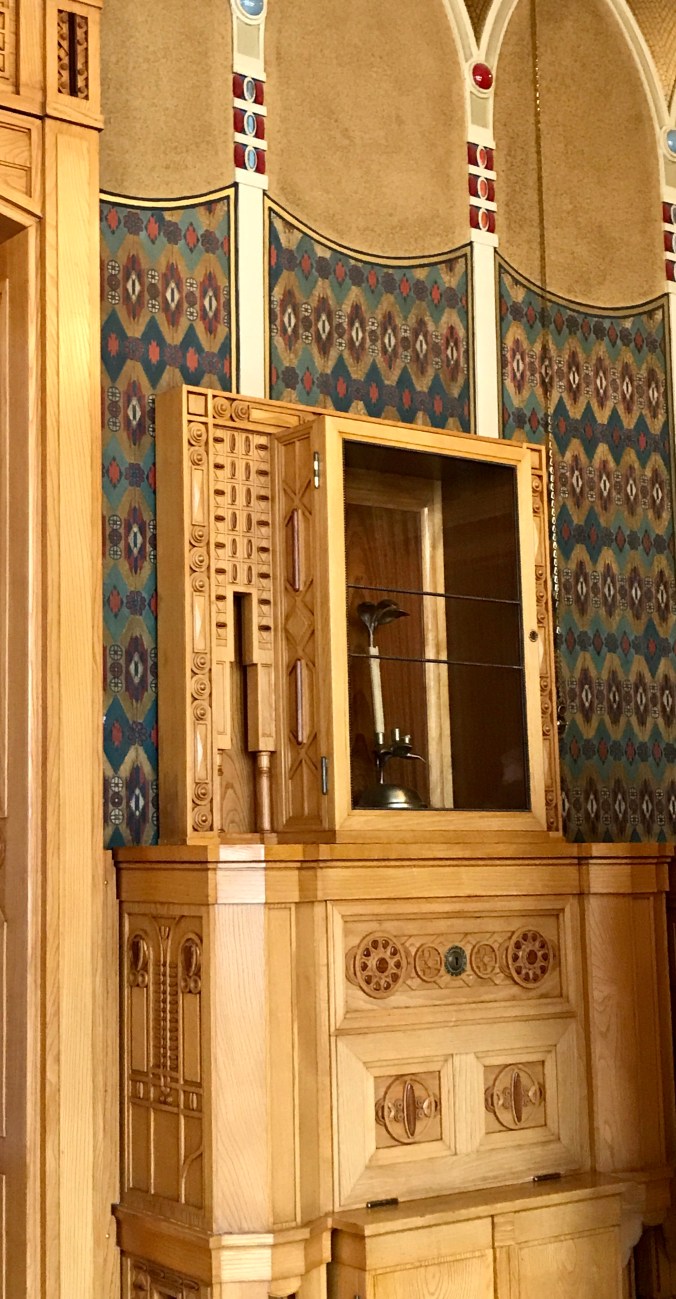
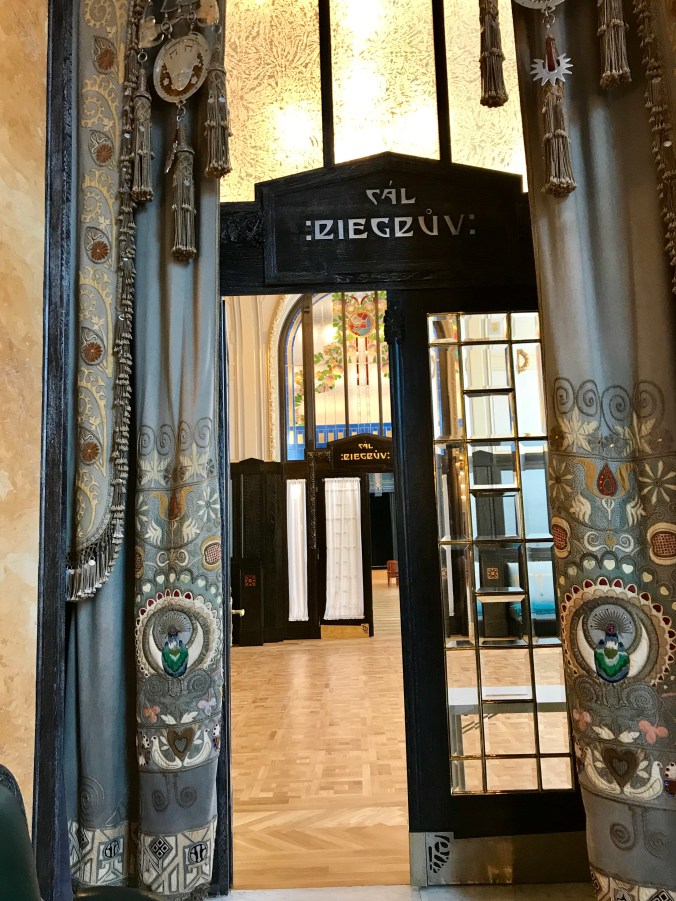
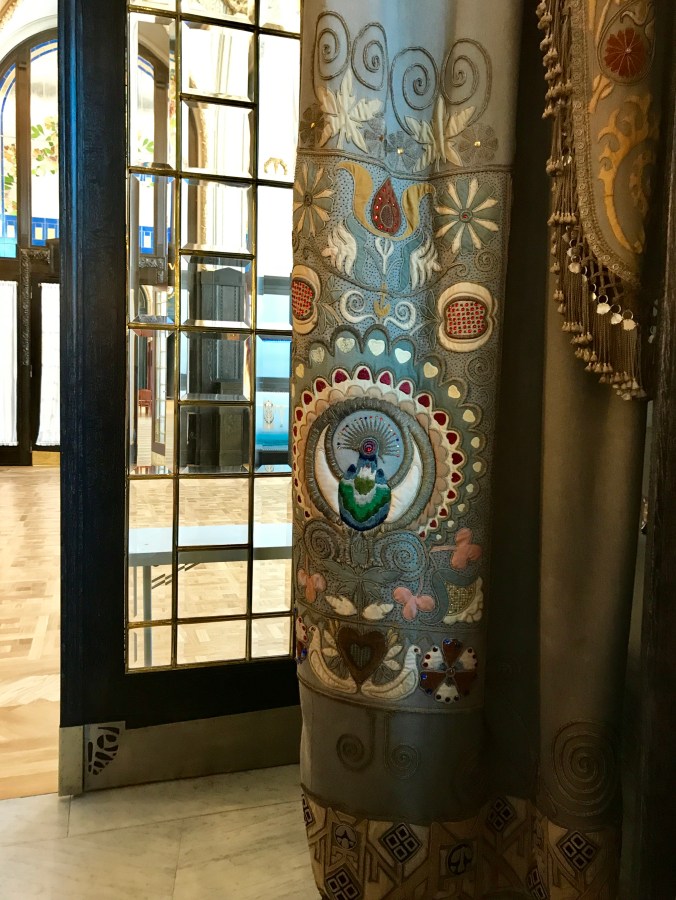
The many smaller rooms represent diverse decorative styles. Below, a room featuring details of  Czech folk art.

IMG_3949

IMG_3939

IMG_3943

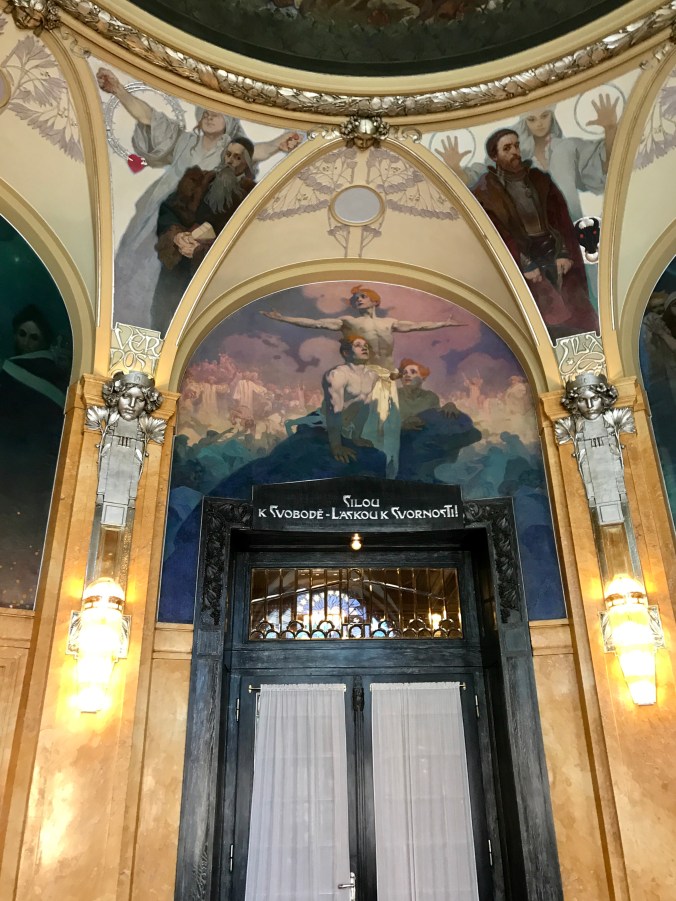
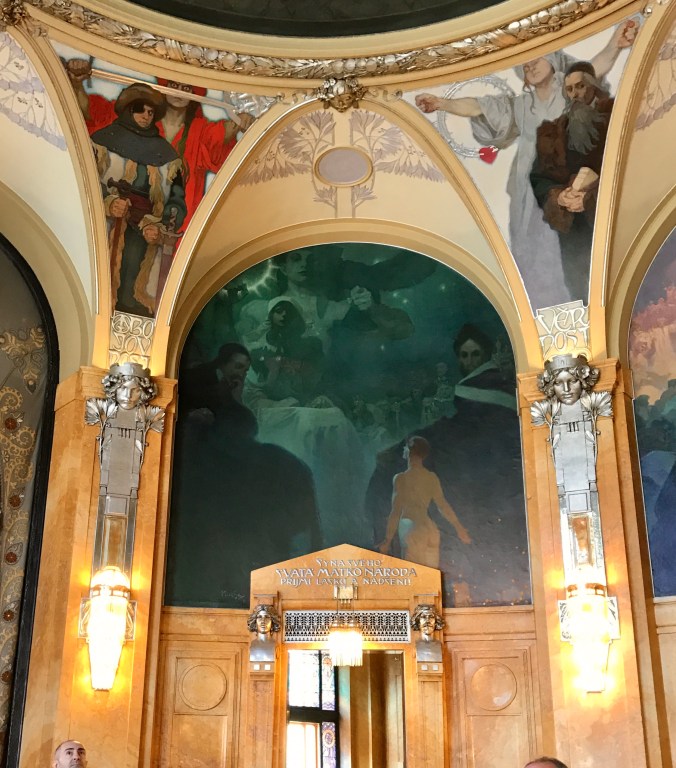
The most beautiful of these rooms is the Lord Mayor’s Hall, every detail of which was designed by the great Czech artist Alfons Mucha.

IMG_3958

IMG_3961

IMG_3971

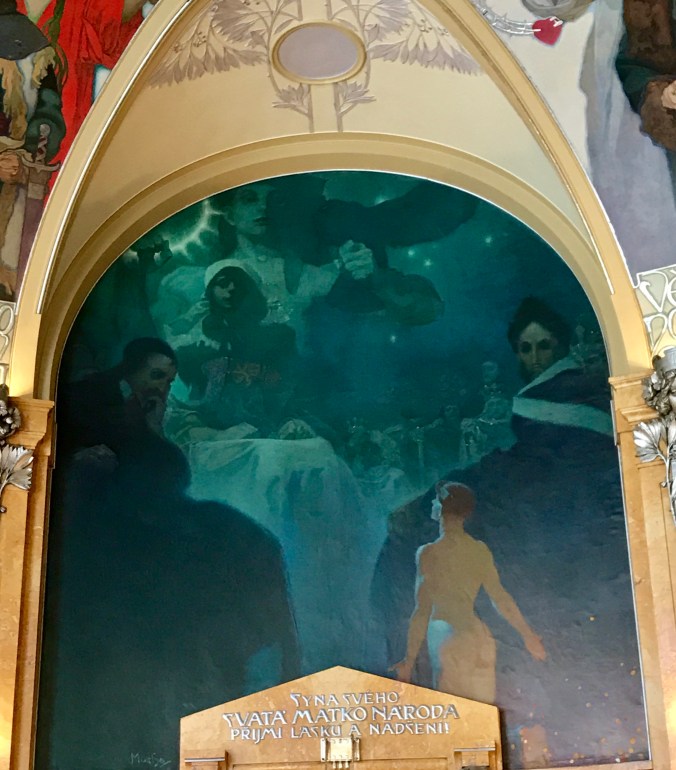
Mucha was also a great patriot, and his art here, as elsewhere throughout the city, is an expression of his love of country and his dream of a free and prosperous future  for the Czech people.

IMG_3967

IMG_3962

Having gorged on beauty, and after a light lunch in the coffee shop, we headed for the Museum of Communism.


Cesky Krumlov

IMG_3869

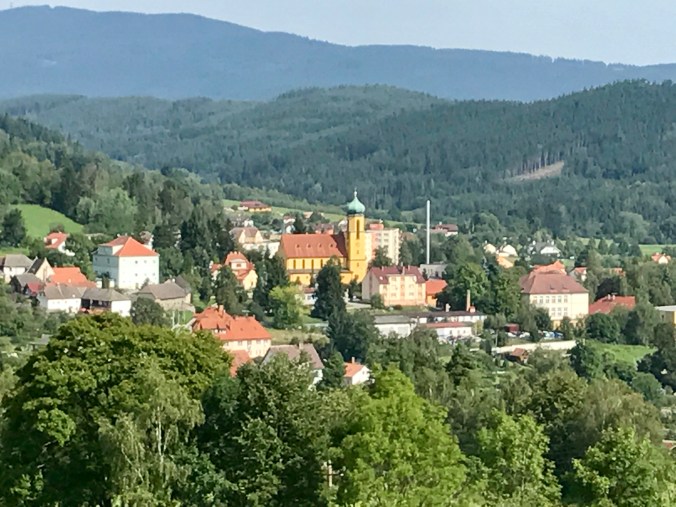
Cesky Krumlov is a beautiful, very old  town about two and a half hours from Prague. We discovered it on our first visit to the Czech Republic 10 years ago.

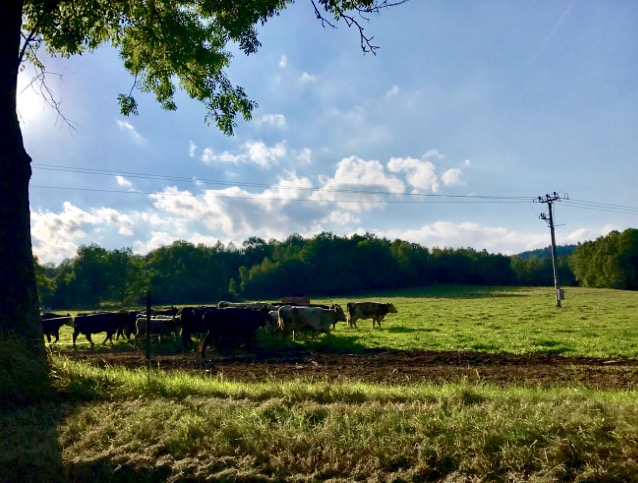
Sights along the wayIMG_3883

IMG_3863

IMG_0380

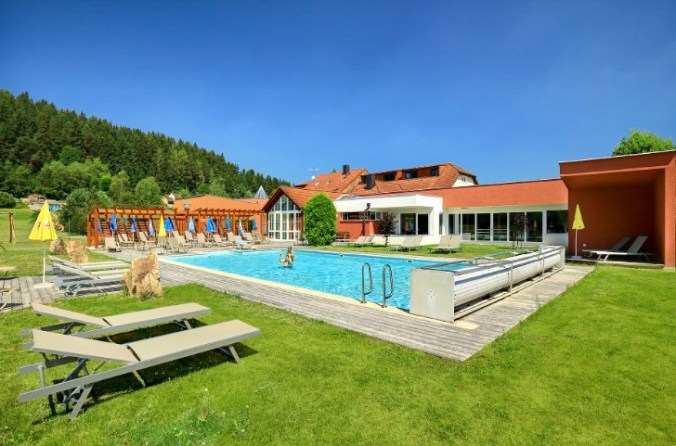
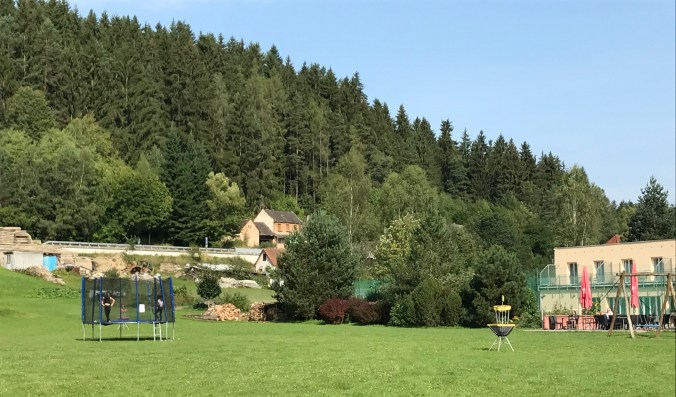
We arrived in time for dinner at the Sporthotel Zatov. Many sporting activities available, of which I’m afraid we made only limited use.

IMG_3885

IMG_3873

After a hearty breakfast we headed to Cesky Krumlov. First settled by Celtic tribes a century before Christ, the town has been occupied by various waves of Europeans, and the architecture reflects the span of time and the diversity of inhabitants.

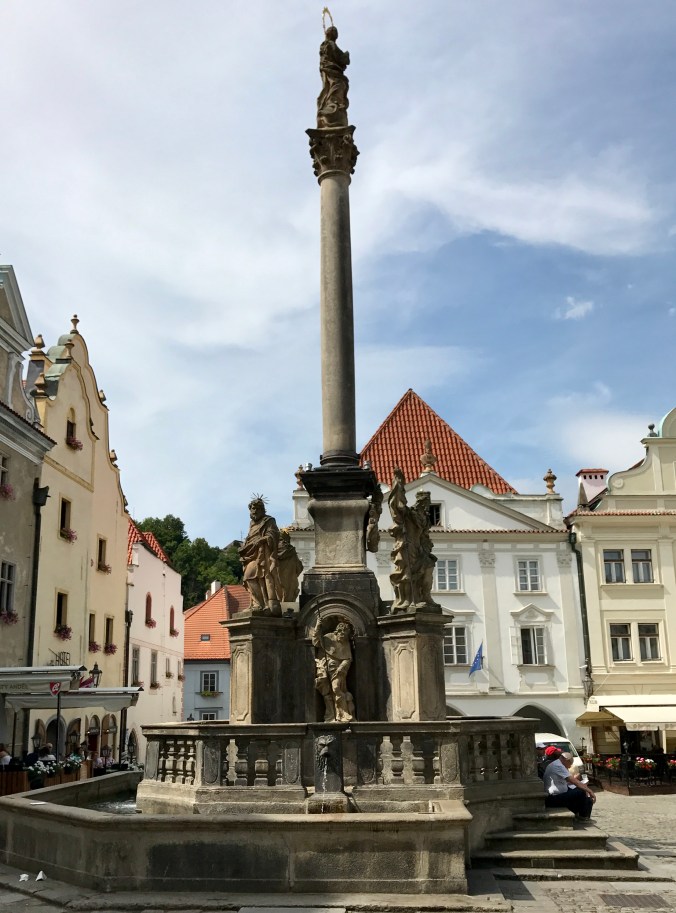
Here is the main square, which is lined with a mix of Renaissance and Baroque homes, all built on 12th century Gothic foundations. The monument is the Plague Column, erected in 1715 to mark the end of the Plague. The Virgin Mary, along with eight saints, are there to protect the town against Plague.

IMG_3853

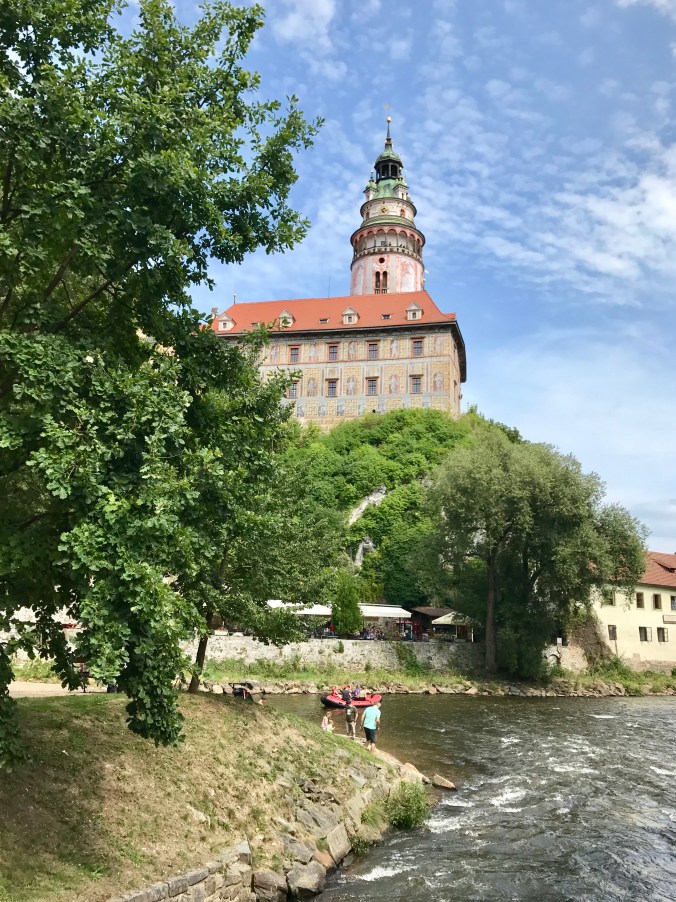
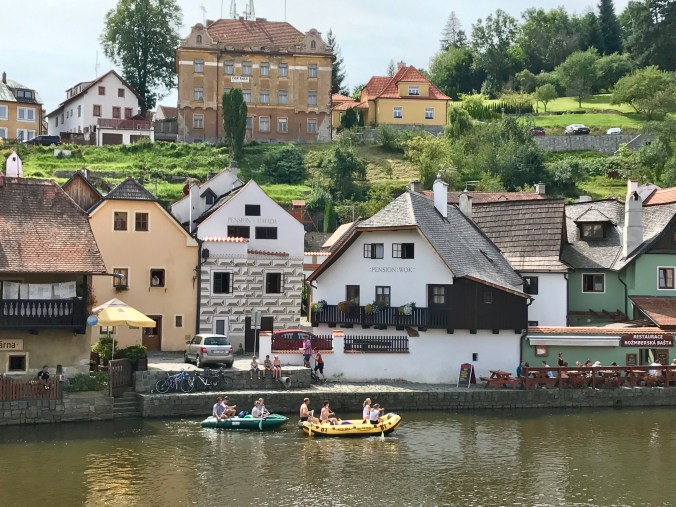
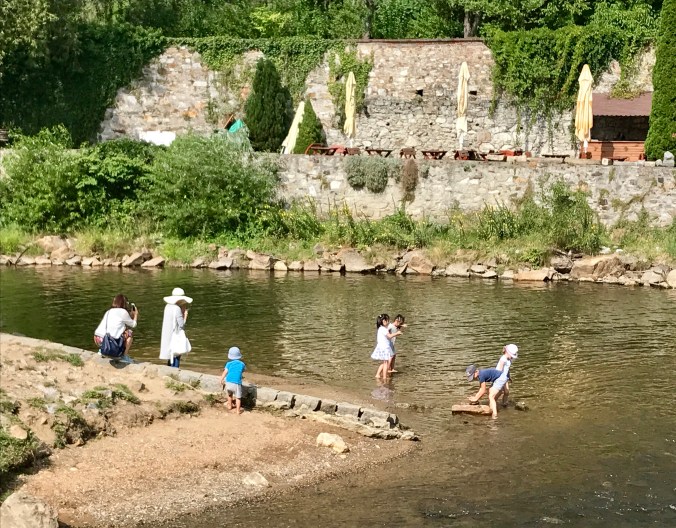
The twisty Vlatava River runs through town.

IMG_3850

IMG_3872

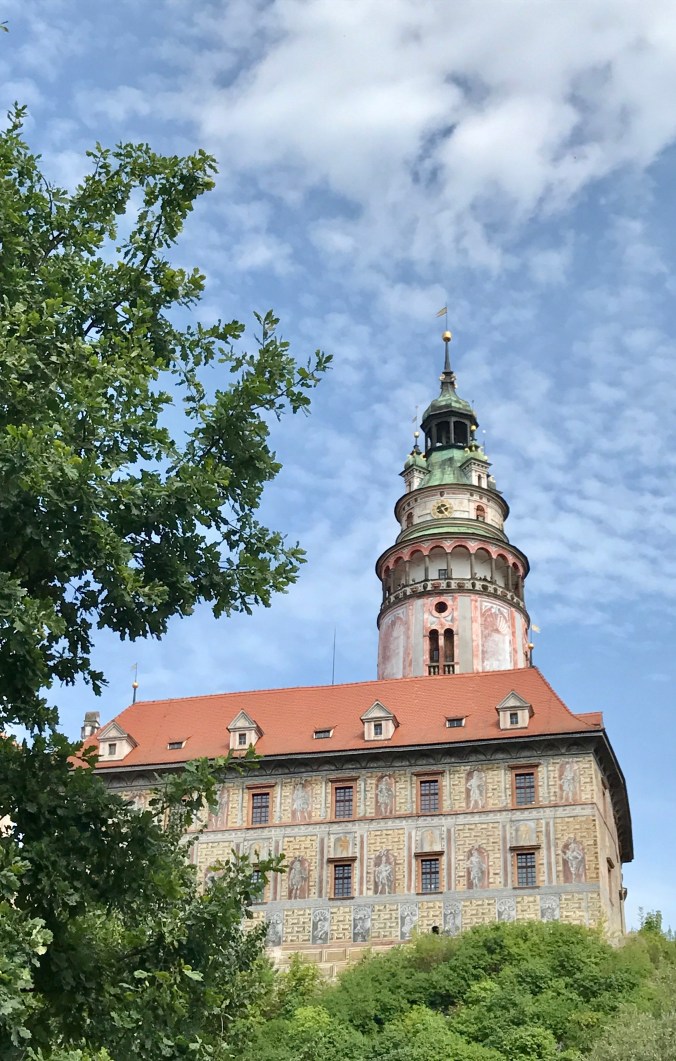
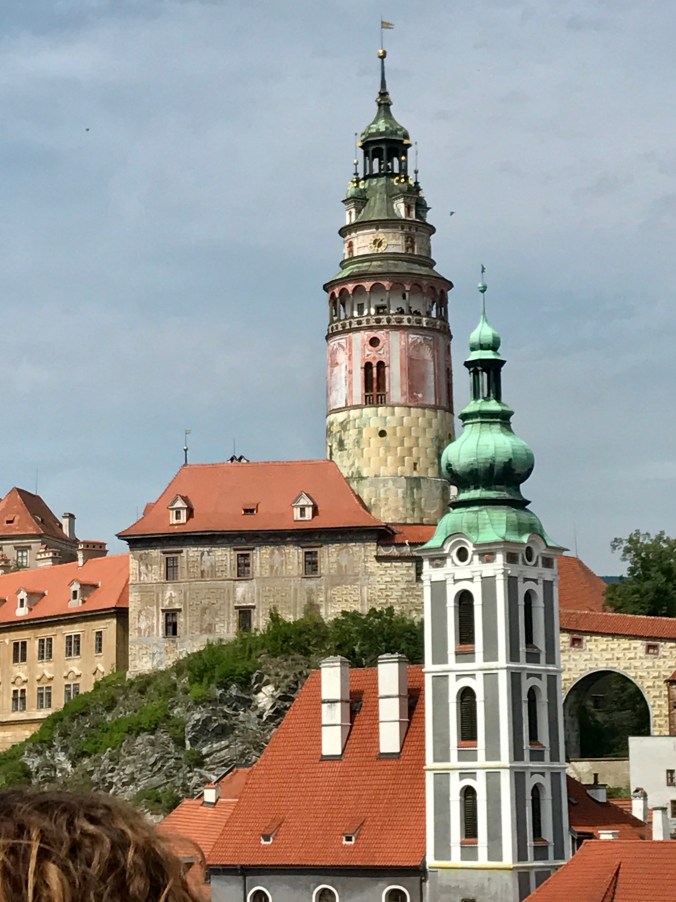
Above all stands Krumlov  Castle.

IMG_3870

IMG_3860

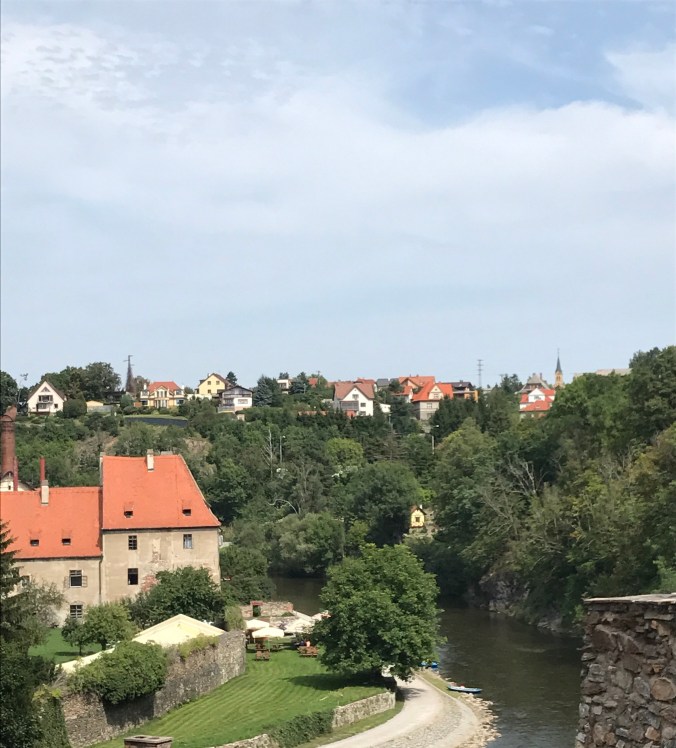
The view from the castle tower

IMG_3834

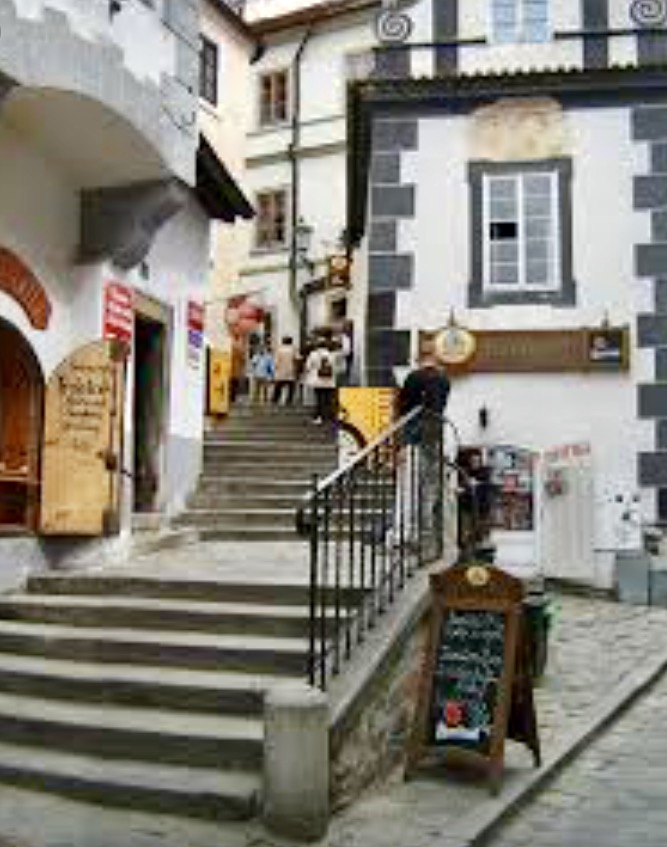
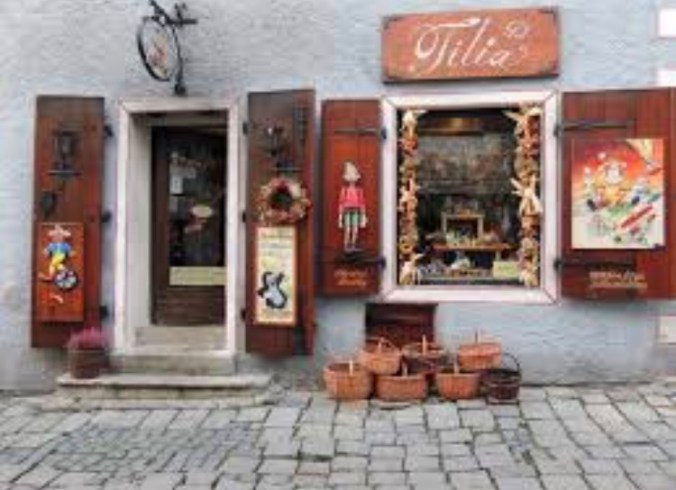
Truly, though, the best sight in Cesky Krumlov is the town itself – cobblestone streets filled with cafes, market stalls and unique shops.

IMG_3865

IMG_3893

IMG_3892

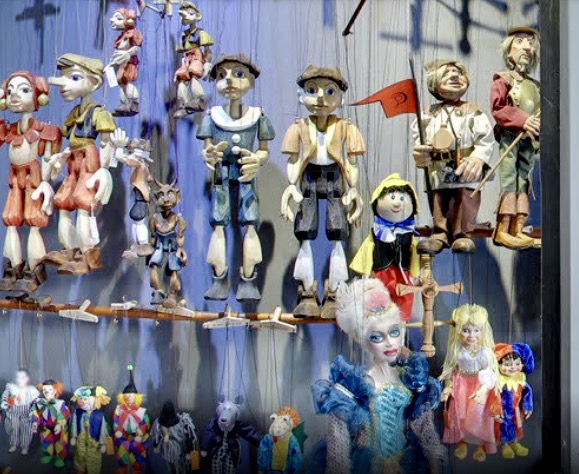
Many opportunities to buy a marionette. I have resisted thus far.
IMG_3886

So glad we made it back to Cesky  Krumlov! ❤️


City sights

IMG_3716

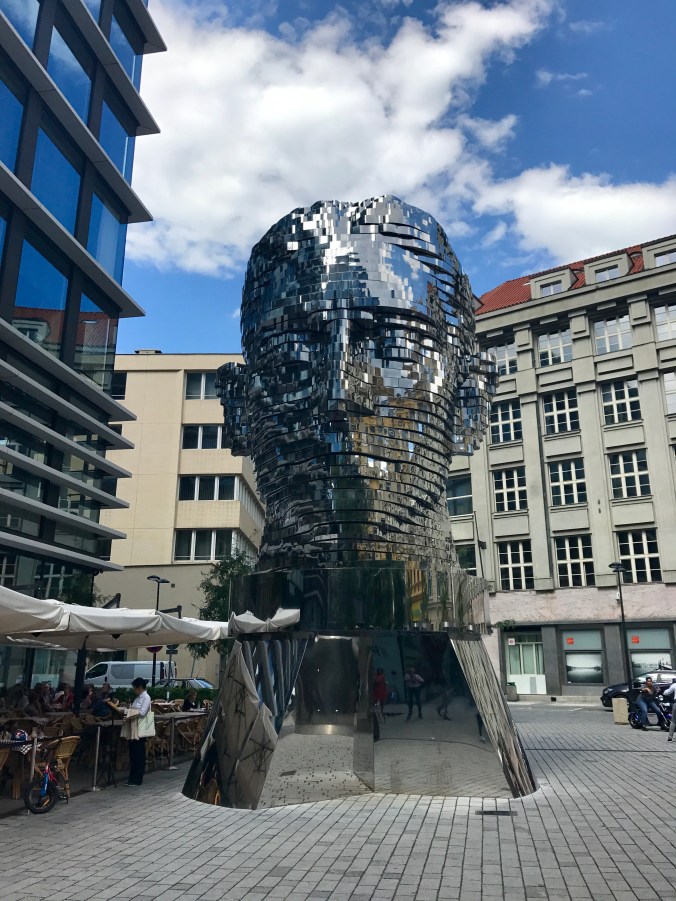
Kafka’s head is near the building where Kafka worked as a clerk for an insurance company. Individual plates in the sculpture  rotate, and the head comes apart and together. It is opposite City Hall,  and the sculptor has said that he loves the idea of people who have been dealing with the frustrations of city government coming out and seeing “the huge head of Kafka” looking at them.
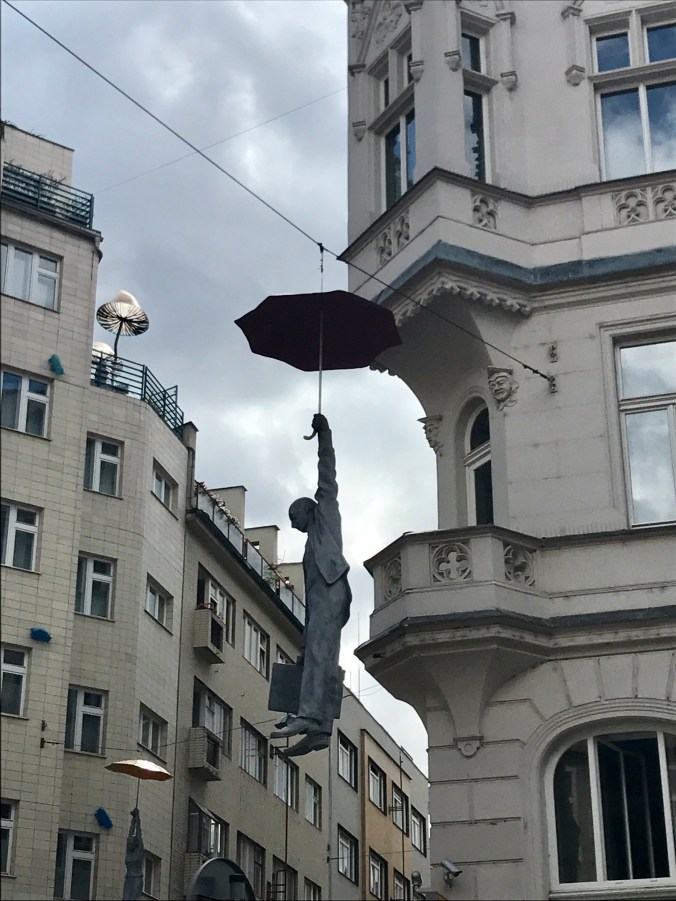
Along with monuments to Czech artists and patriots, Prague has many random art installations. I particularly like this guy.

IMG_3733

The biggest sculptural work of all is the Dancing House designed by Frank Gehry.

IMG_3807

We went up to the top for tea and views.

IMG_3757

IMG_3750

IMG_3749

Then, a stroll through town.

IMG_3729

IMG_3801

IMG_3796

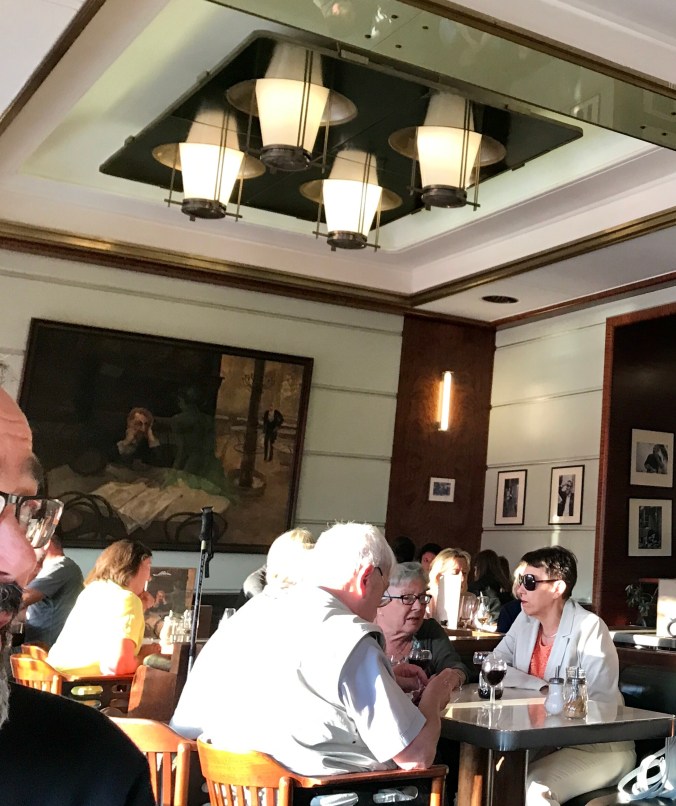
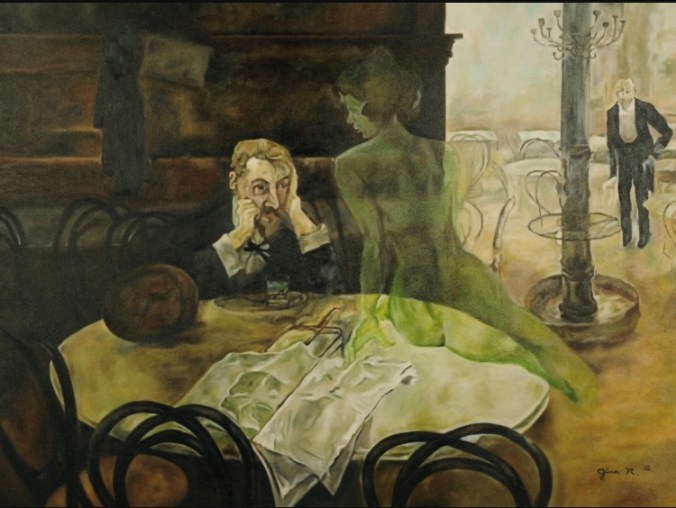
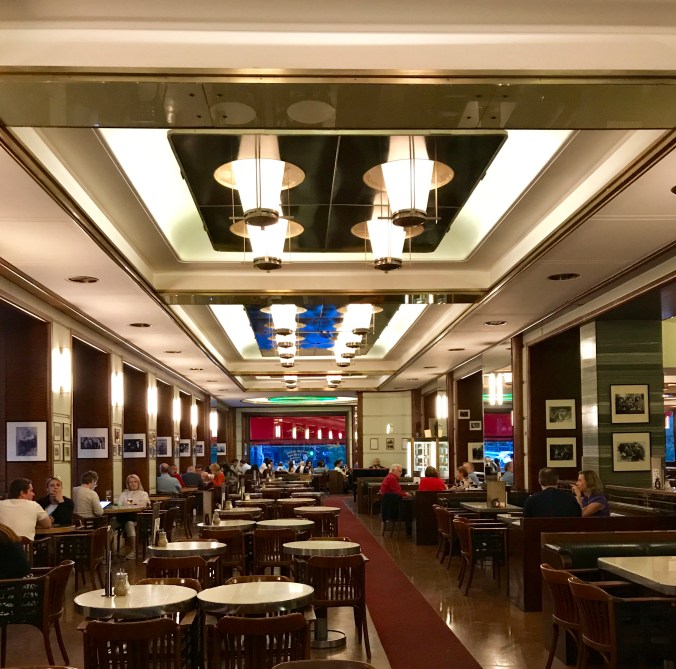
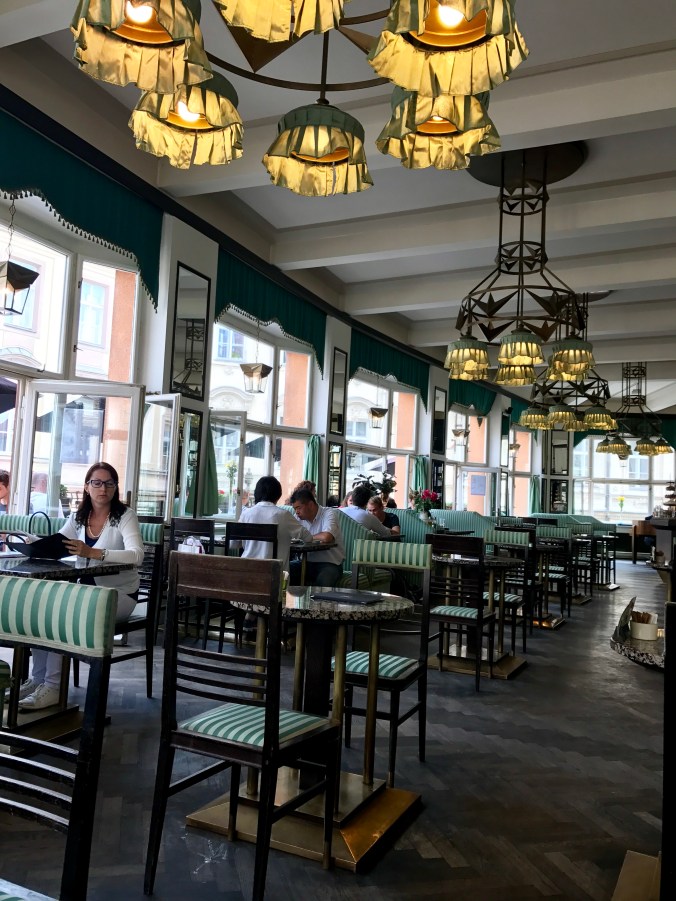
We arrived for dinner at Cafe Slavia.        A Prague institution, it has been home to Czech artists and intellectuals since 1881. Looking out over all, the equally revered “Absinthe Drinker” painted in 1901 by Viktor Oliva.

IMG_3785

IMG_3808

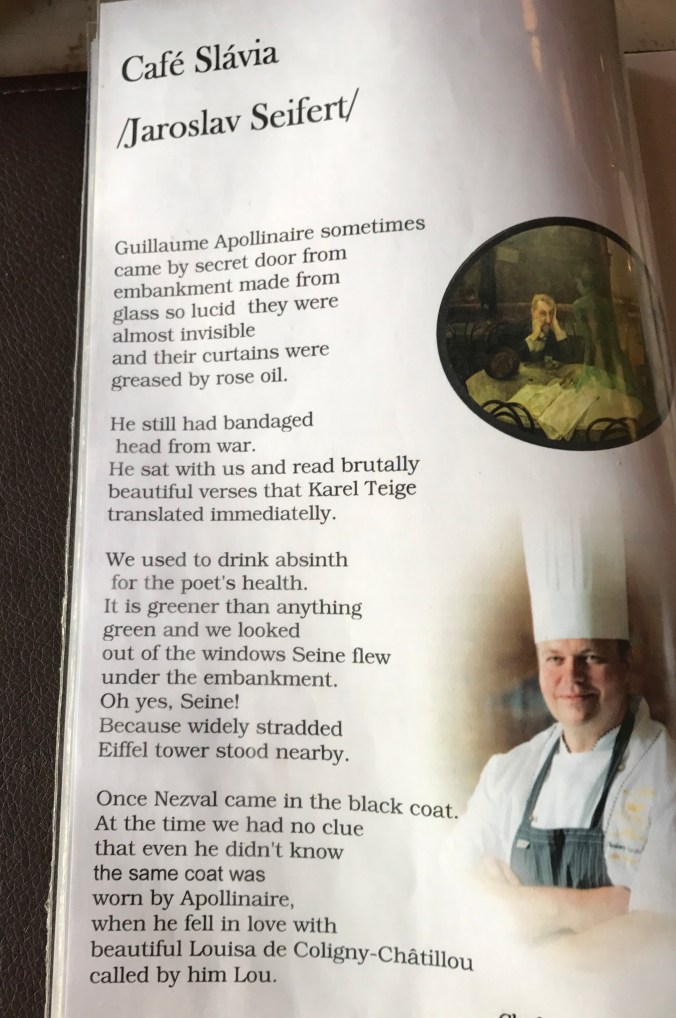
This image also graces the cover of the menu, which includes the following poem in Czech and in English. I’m not saying I can make any sense of it, but it is undeniably atmospheric.

IMG_3792

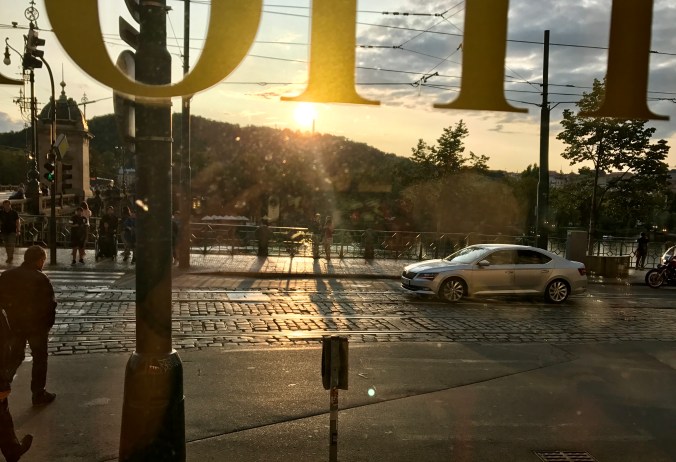
The view from our window at dinnerIMG_3787

. . . and of the dining room.IMG_3794

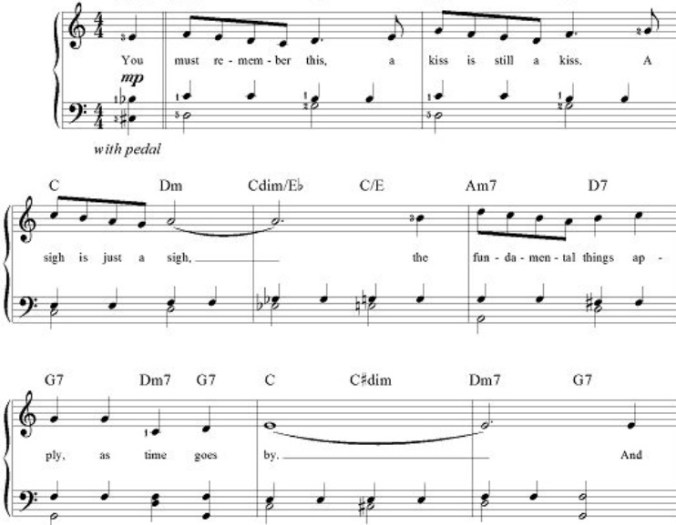
Look to the back of the room and you can see someone playing the piano. He is the same gentleman we heard when we first ate at the Cafe Slavia ten years ago. And he still plays “As Time Goes By.”

IMG_3812

IMG_3816

*  *  *


The Cubist Museum

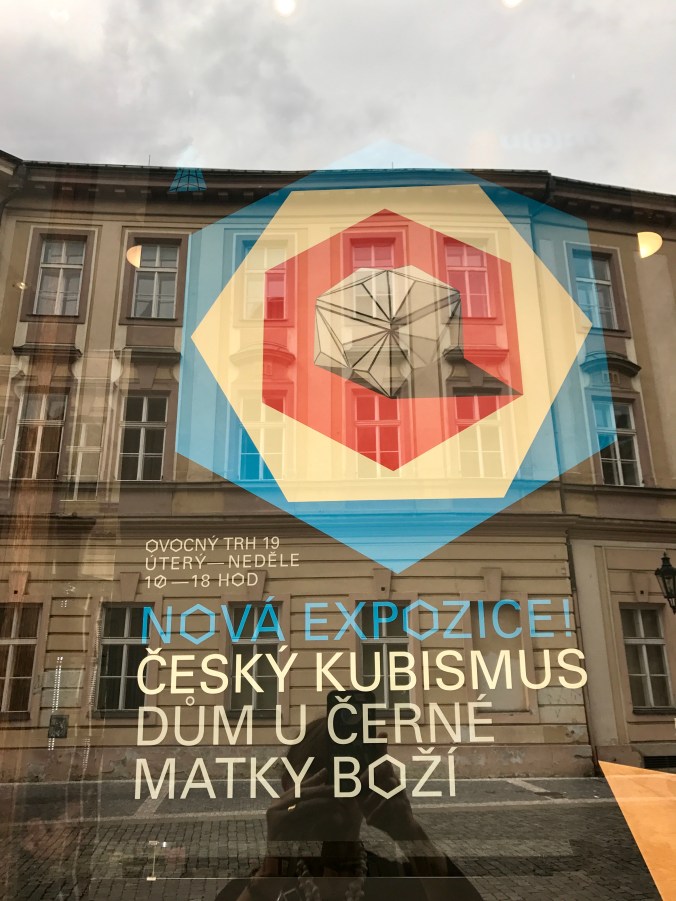
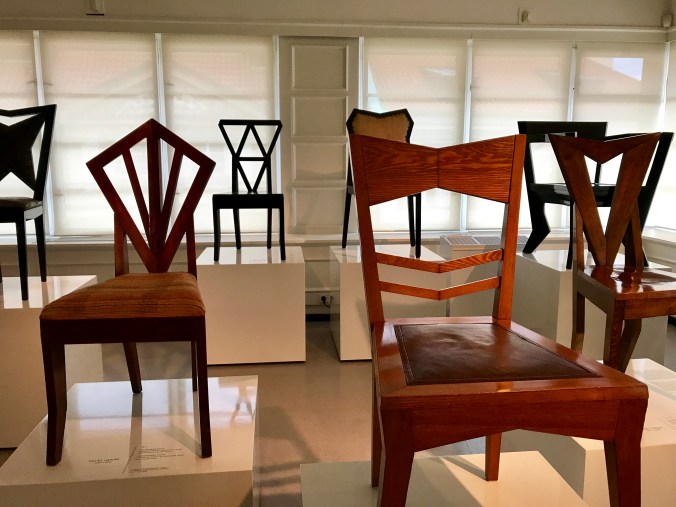
Our first stop on the tourist trail was an old favorite, the Museum of Cubism.

IMG_3645

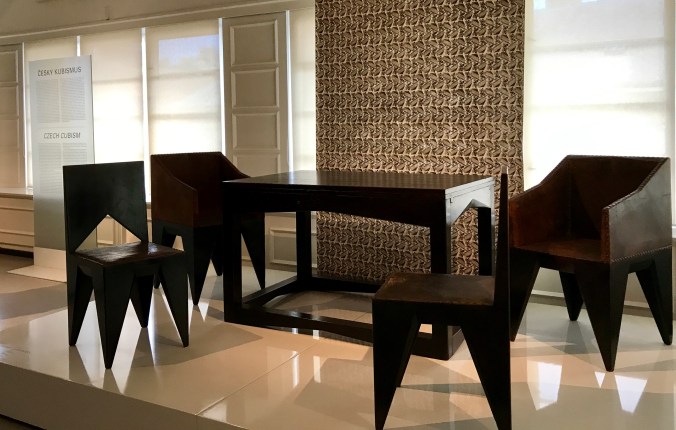
IMG_3644Czech cubism was born in Prague around 1910 when a group of artists began applying the cubist principles of Braque and Picasso to architecture and furniture design as well as painting and sculpture. The building that houses the museum is one of the few architectural designs to have been realized.
IMG_3671

I get a kick out of this stuff.

IMG_3647

IMG_3650

IMG_3653

The geometry of the pieces draws on the structure of crystals. To emphasize this, the exhibit includes some examples.

IMG_3656

This one reminds me of Lisa Simpson. Go figure.

After viewing the exhibits we had some lunch at the cafe.

IMG_3661

IMG_3662


Vienna, around town

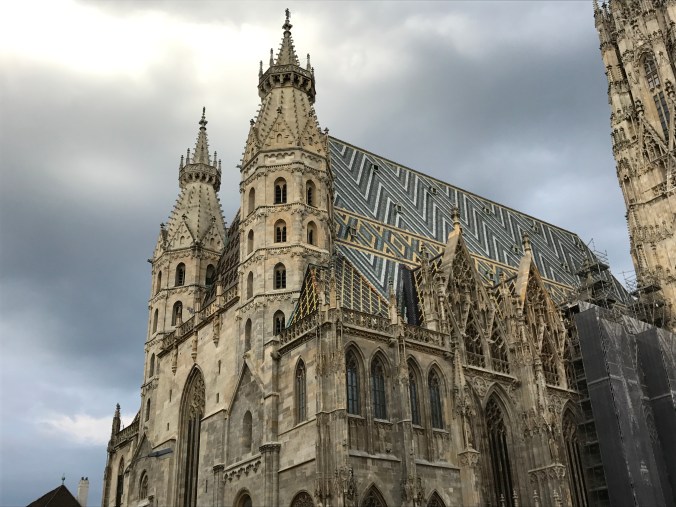
IMG_3365St. Stephen’s Cathedral

Vienna is a city that seems to demand a certain quality of attention. Maybe it’s because all around you are reminders of the long history of the city and especially, enduring evidence of the spectacular wealth and power of the Austrian empire.

IMG_3483

IMG_3478

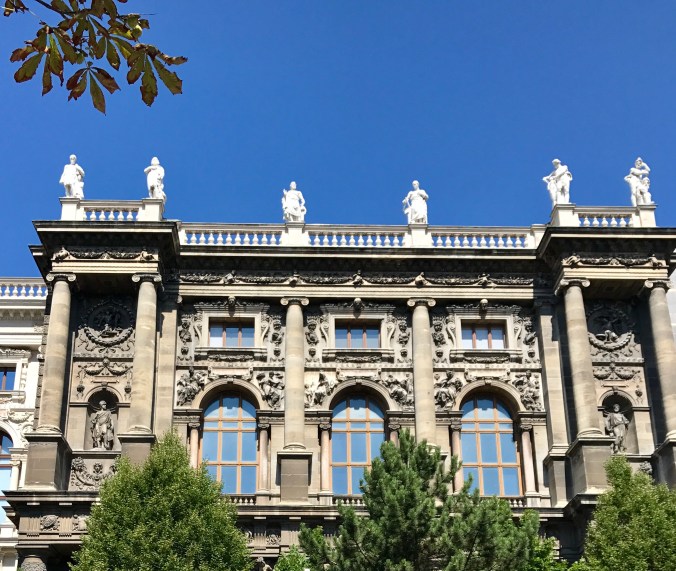
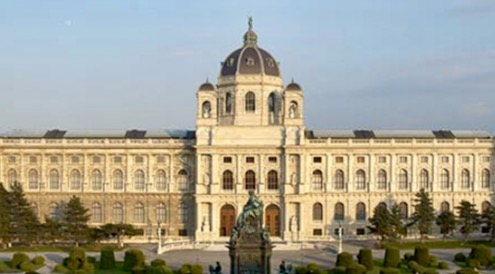
Here is the Kunsthistotisches Museum (“the Kunst”) which houses the Habsburgs’ collection of European masterpieces.

IMG_3609

The lavish interior (“we have all the money in the world”) was designed to inspire awe. Worked for me. This is the entrance and the stairs leading up to the painting galleries. Zoom in.

IMG_3546

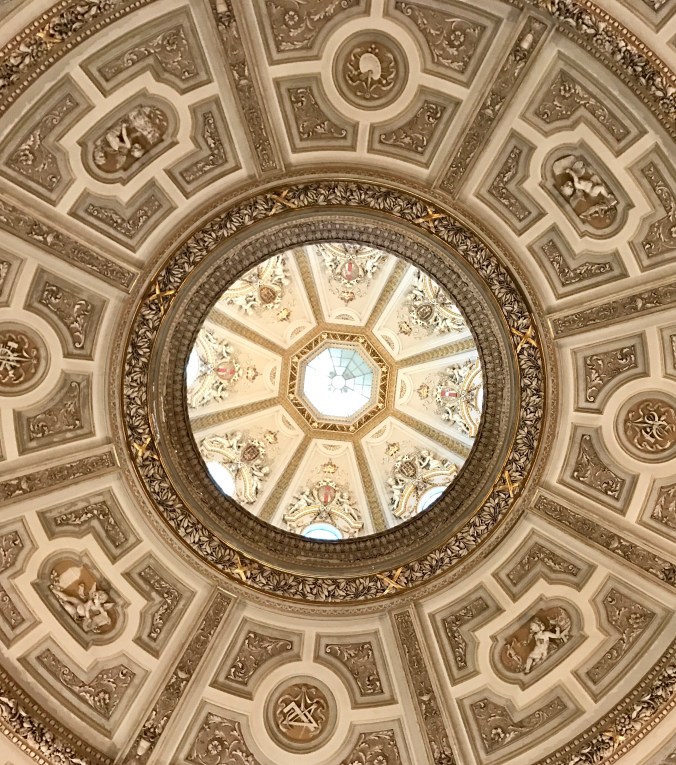
IMG_3550The domed ceiling of the entry, which is open in the center to show a second dome above.

The collection is presented in a way that invites you – encourages you – to take your time. The Bruegel room was my favorite.

IMG_3612Have a seat.

After a hearty nut torte lunch in the cafe, we checked in on the Habsburgs’ dizzying collection of “fine art objects and exotic curios”, the Kunstkammer. Amassed over generations, it was another display of the dynasty’s wealth, but also, a representation of the finest craftsmanship, the most advanced scientific achievement, the best of everything in every area of creativity.

Over 2000 objects are on display.

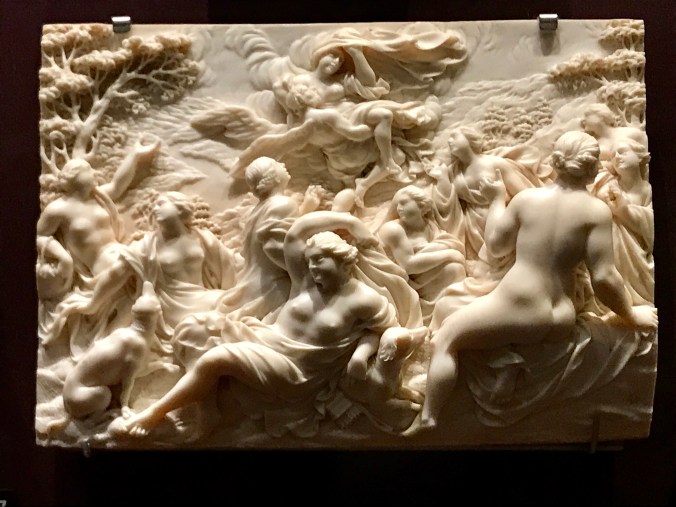
Here are some ivory carvings.

IMG_3566Diana and Three Nymphs

IMG_3563

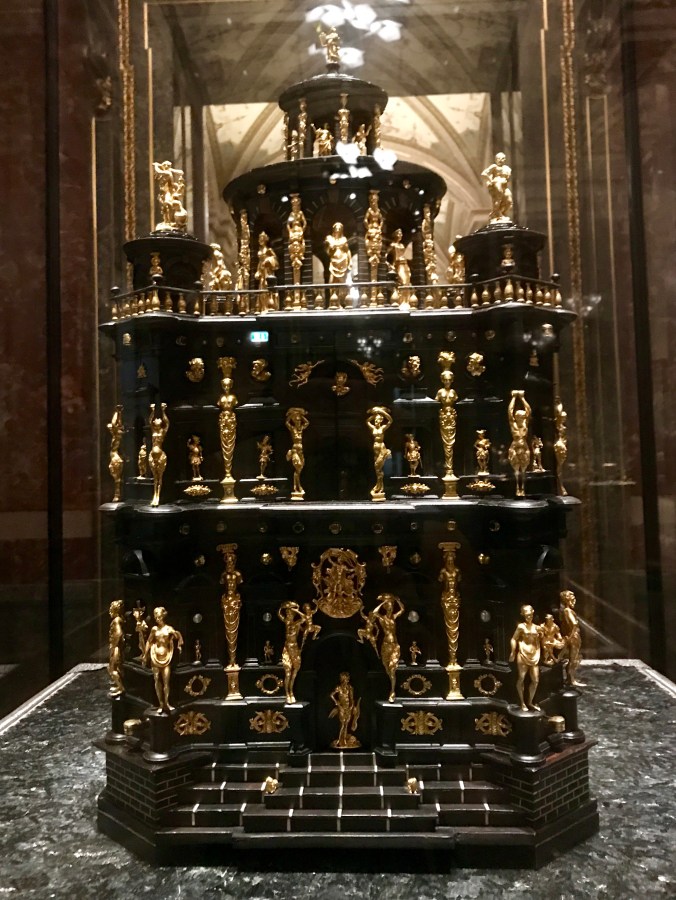
IMG_3561Ferdinand II’s Coin Cabinet

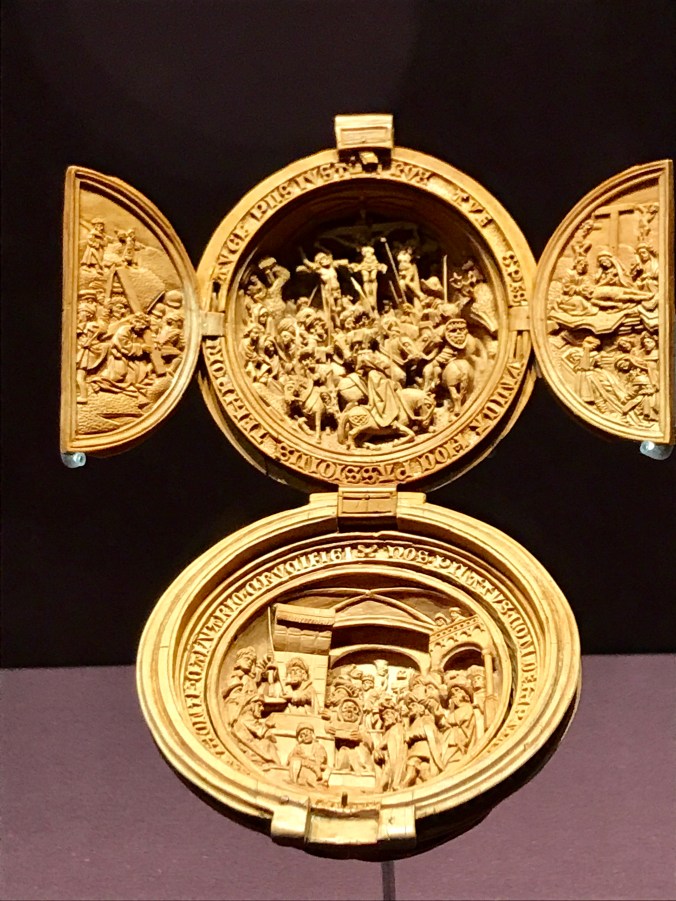
IMG_3554Beechwood “prayer” carving, the size of a large walnut.
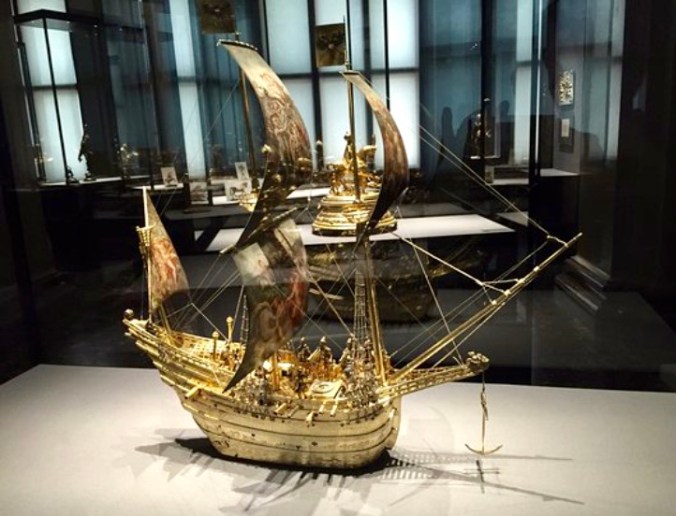
The gold ship below, a table centerpiece, is an example of an “automaton”: it was designed to move along the table, and as a finale, to fire its cannons.

IMG_3613

The following day – our last in Vienna – we made the pilgrimage to Freud’s Vienna home and office, now a museum.

IMG_3599

Freud and his family evacuated their home shortly after the Nazis arrived in Vienna.

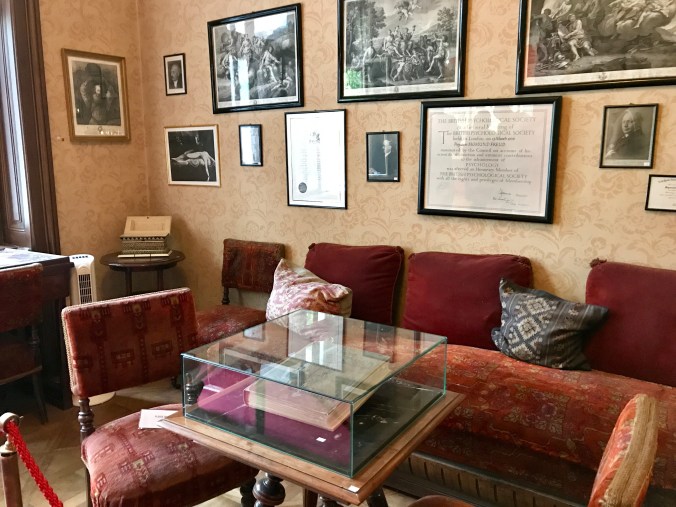
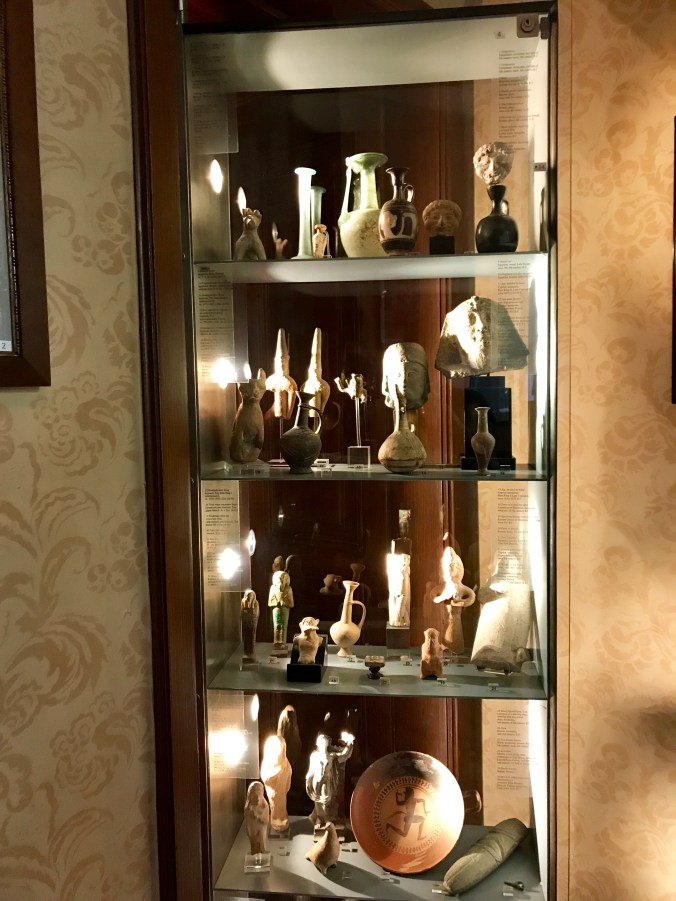
The consulting room has been arranged as it was at the time, and includes a selection of items from what is described as Freud’s collection of antiques.

IMG_3594

IMG_3595

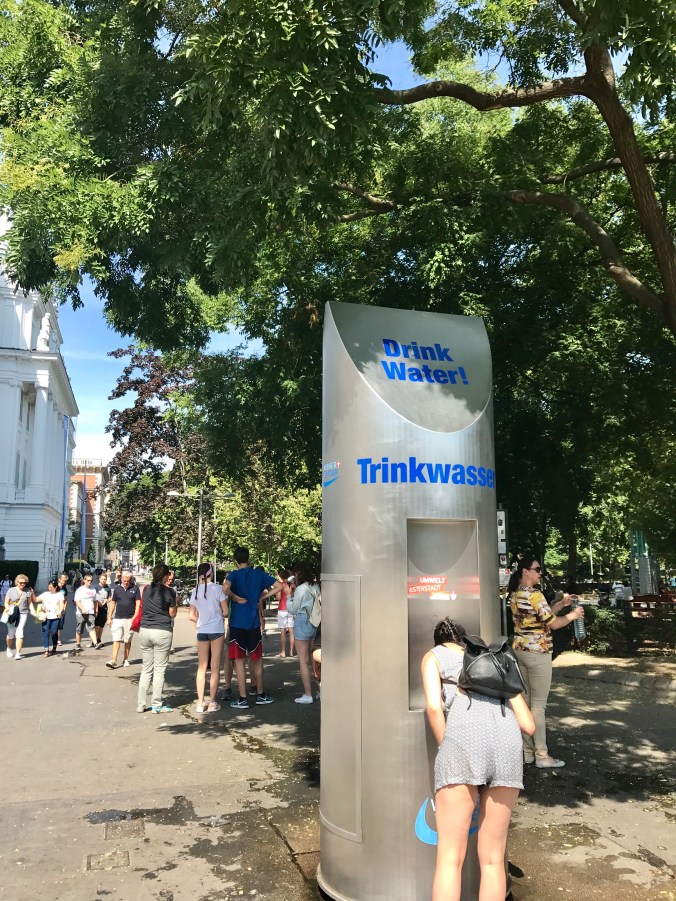
And so, we say goodbye to Vienna, land of bicycle paths and public water fountains, green spaces and cafes, friendly people and strudel.

IMG_3572

IMG_3586

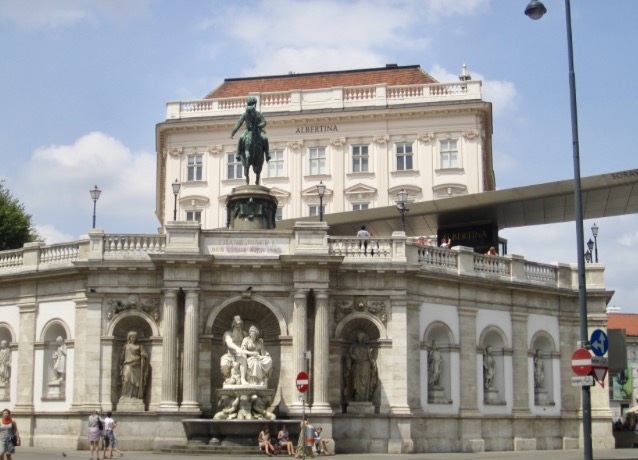
The Albertina Museum

IMG_3452

IMG_3379

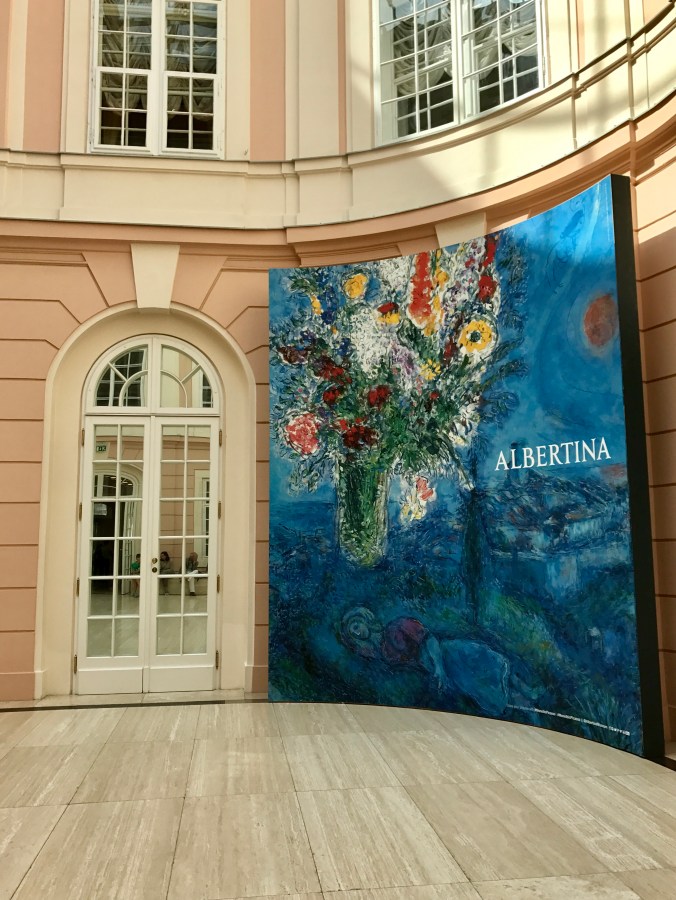
This is a beautiful museum in a former Palace. After a morning at the huge Saturday flea market and food market, we strolled here to see the “Monet to Picasso” exhibit, and also visited the Palace apartments.

IMG_3429

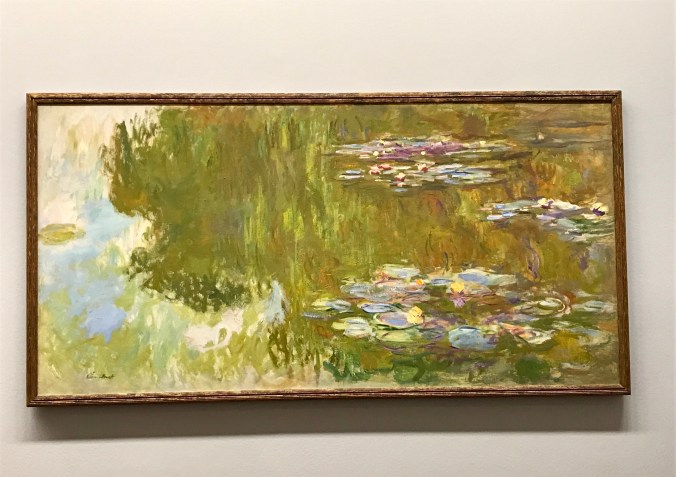
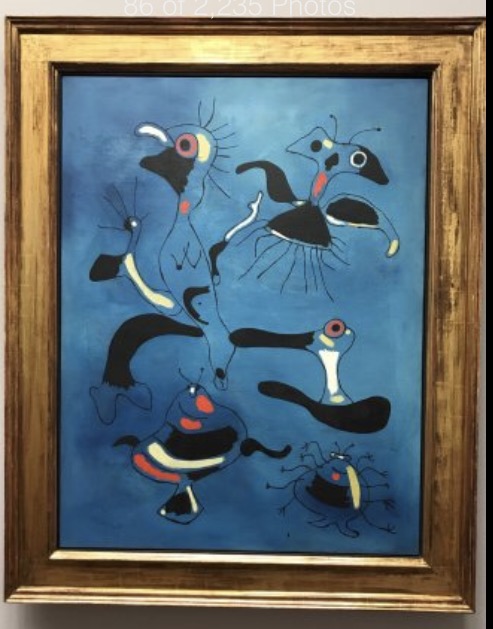
The paintings are all part of the museum’s very extensive collection of Modernist European art. There were many, many wonderful and recognizable works.

IMG_3380

IMG_3454

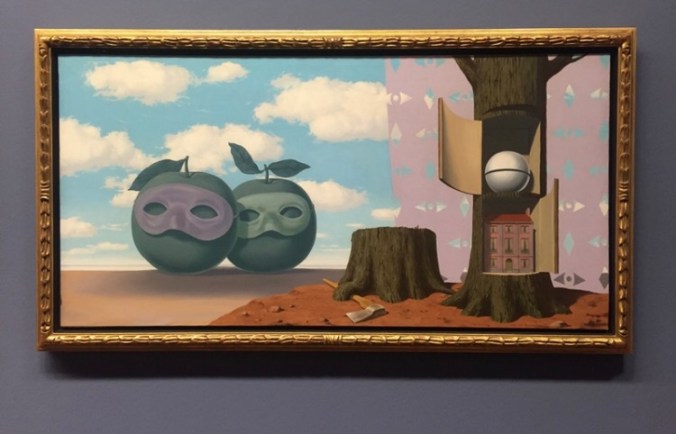
As well as unfamiliar paintings by familiar artists, like Magritte

IMG_3460

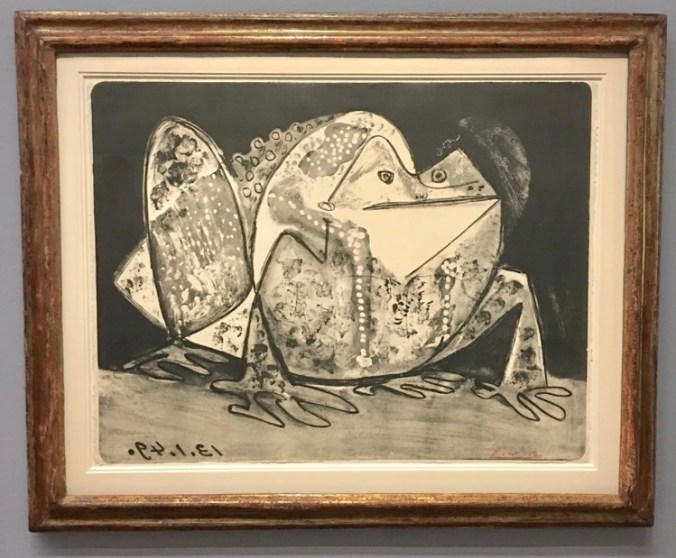
and Picasso.

IMG_3464

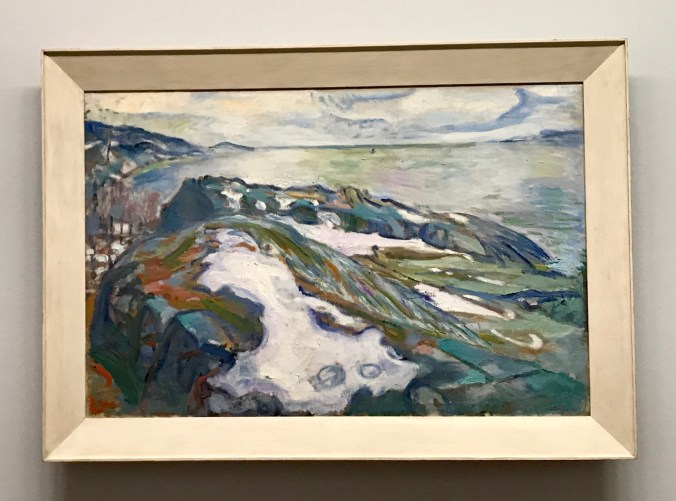
I think the landscape below, by Edvard  Munch, is particularly striking when you take into account that he lost both his mother and sister early in life. (I can’t be the only one who sees a ghost, although that’s not mentioned in the description of the painting).

IMG_3383

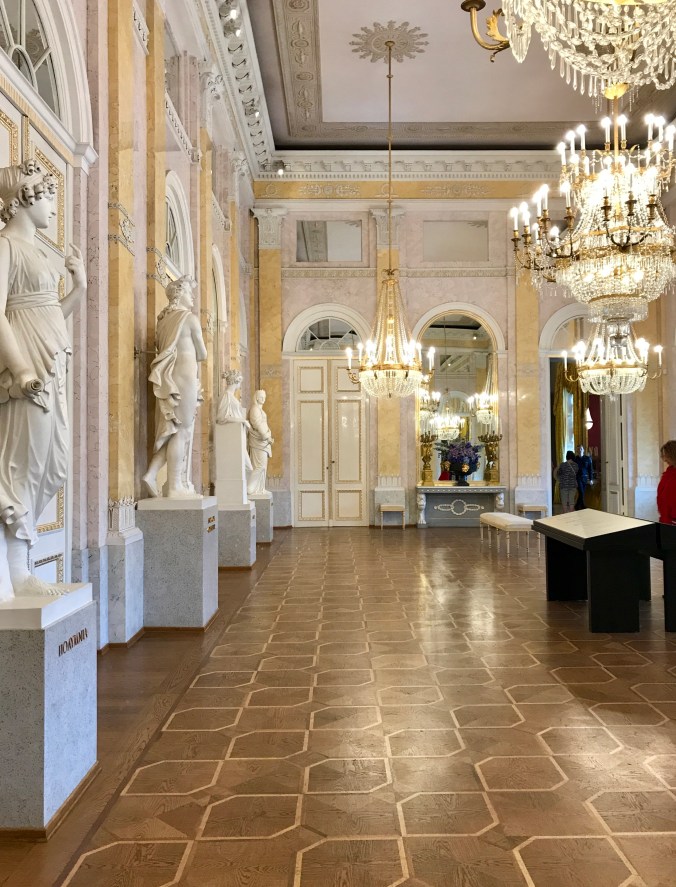
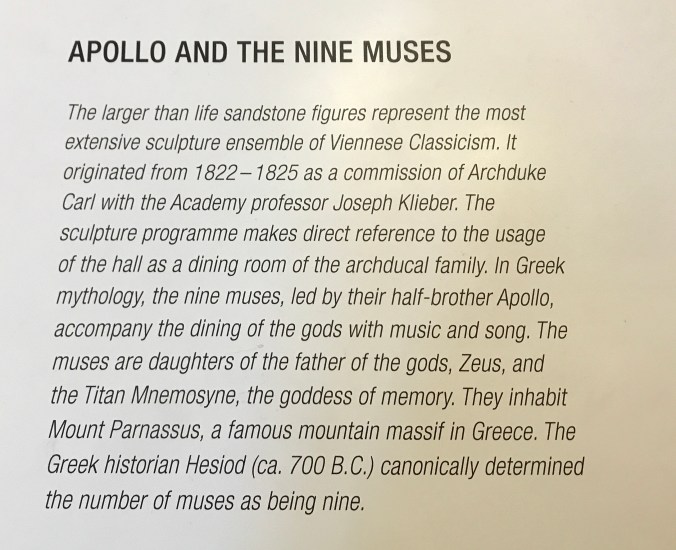
After the paintings, the royal rooms. I especially liked the dining room, which is ringed by statues of Apollo and the Nine Muses.

IMG_3396

The Habsburgs were never ones to decorate lightly.

IMG_3409

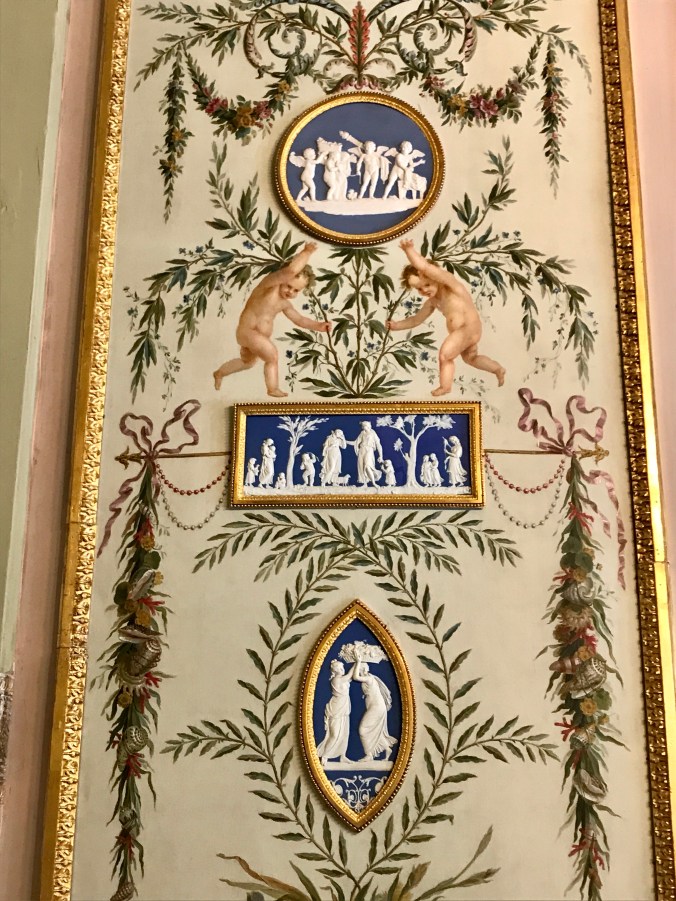
Another favorite was the Wedgewood Cabinet.

IMG_3462

Details on the walls of the Wedgewood room.

IMG_3424

IMG_3425

And then on to dinner, and the decision to spend Sunday with our feet up. 🙂

The Hofburg Treasury

IMG_3326

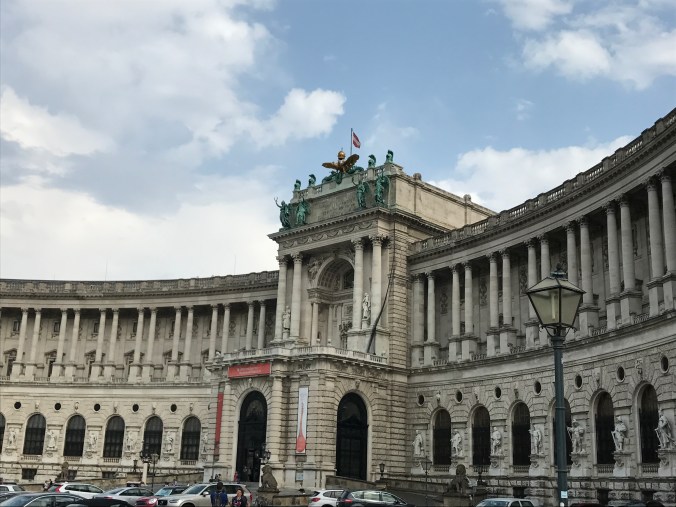
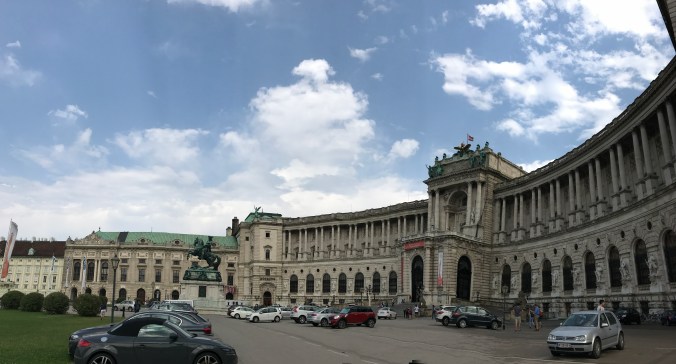
This is the Hofburg Palace, or rather a part of the Hofburg Palace Complex. It was built in the 13th century and was the imperial palace of the Habsburg dynasty until 1918.

Here is another view. But it’s still not the whole thing.

IMG_3328

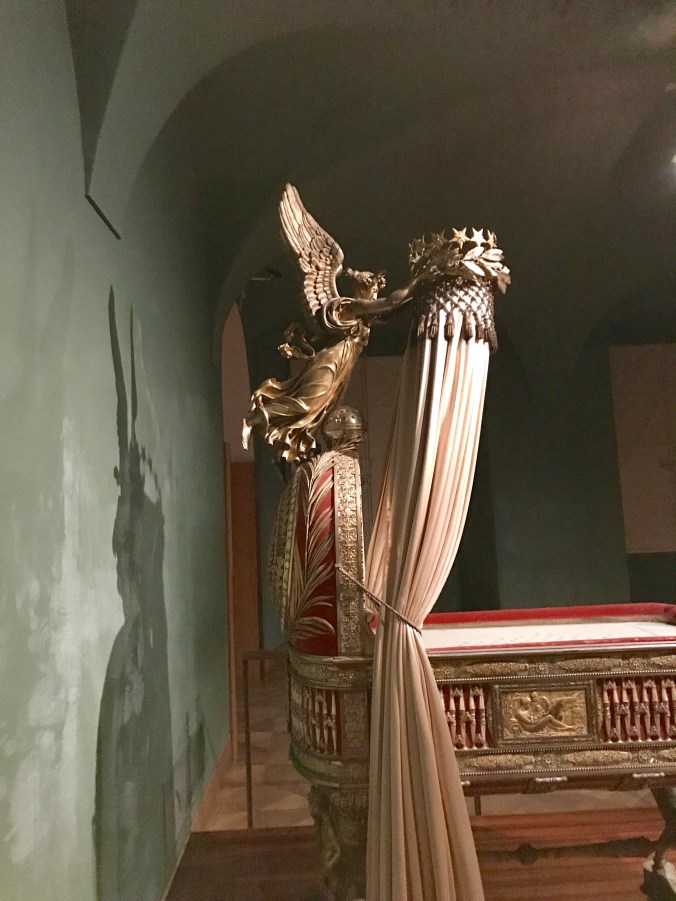
We visited the Hofburg Treasury, a collection of “treasures” that fills 21 rooms. Everything you would imagine – and some things you wouldn’t – is here in great quantity. Here is the cradle given to Napoleon and  Marie Louise of Austria by the city of Paris in 1811 for their son. The angel is placing a crown of laurel leaves, symbolizing (what was supposed to have been) his future ascension to the throne.

IMG_3329

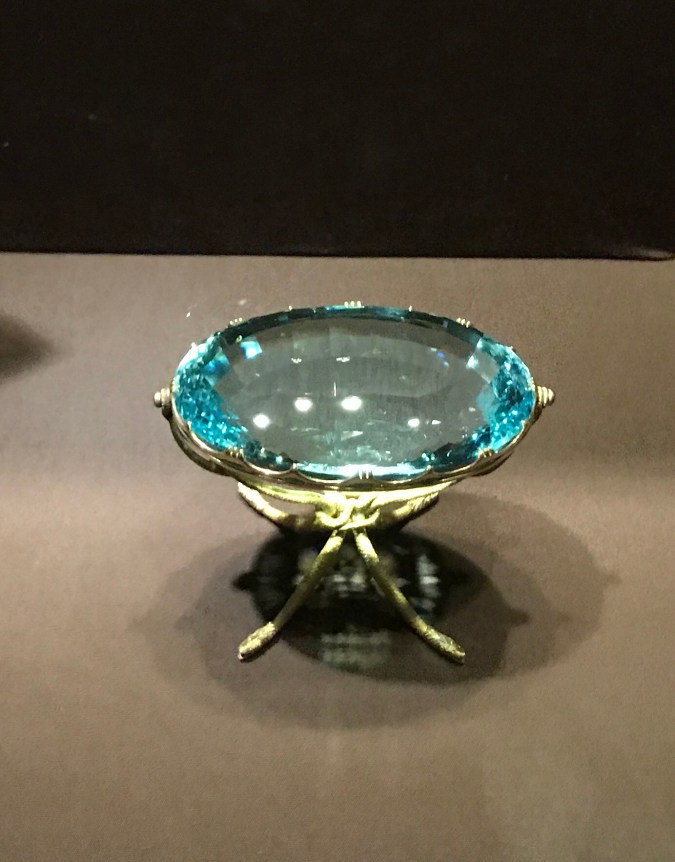
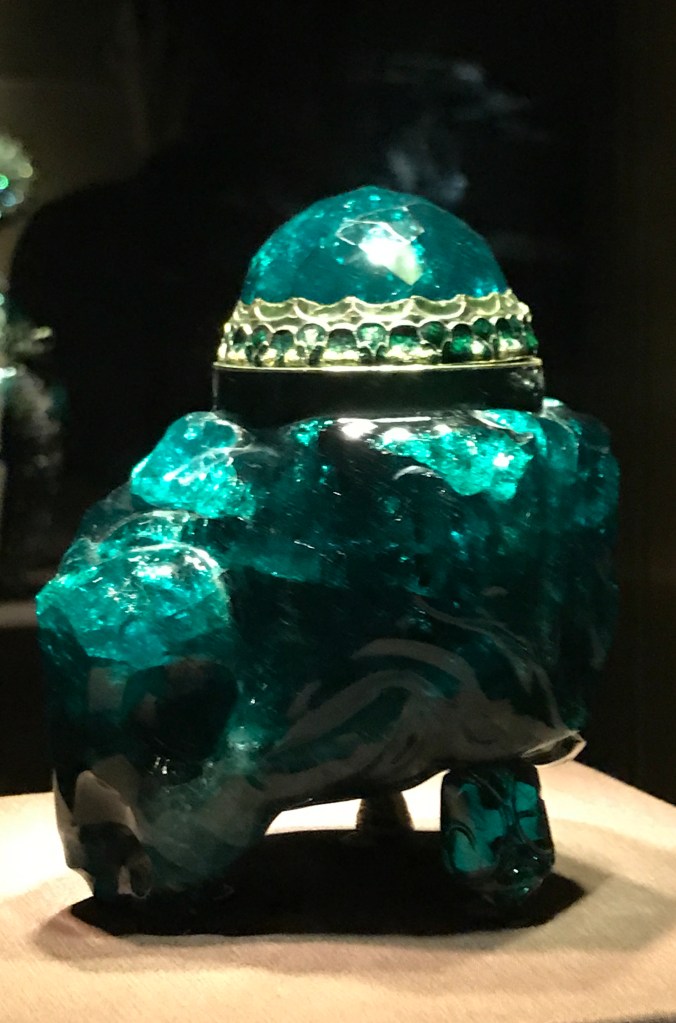
The Habsburgs really, really liked pretty things.

IMG_3334492 carat aquamarine

IMG_3342The largest cut emerald in the world, 2638 carats
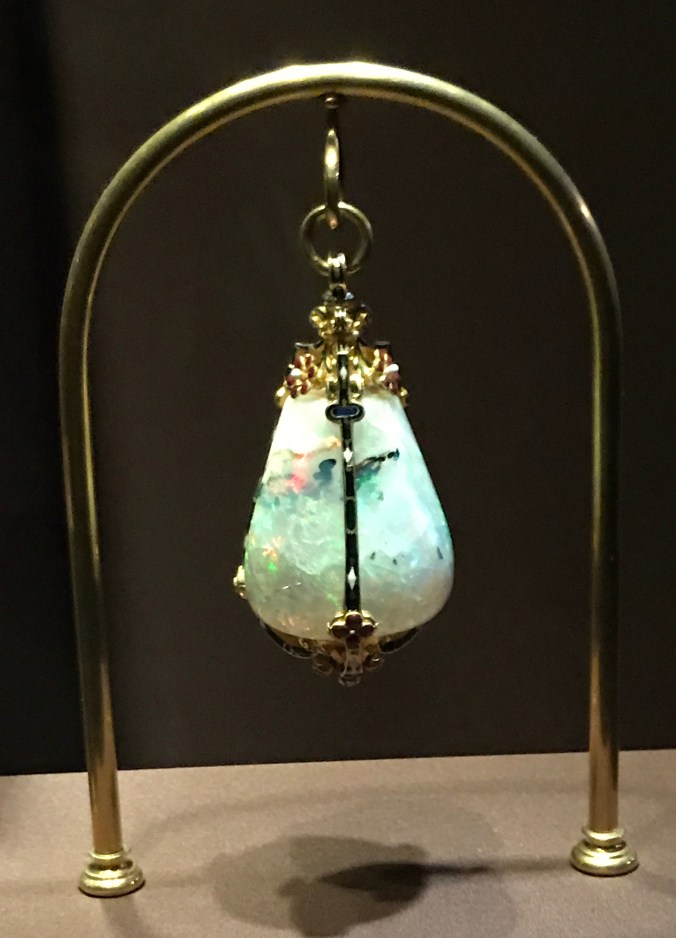
IMG_3335 Very large opal

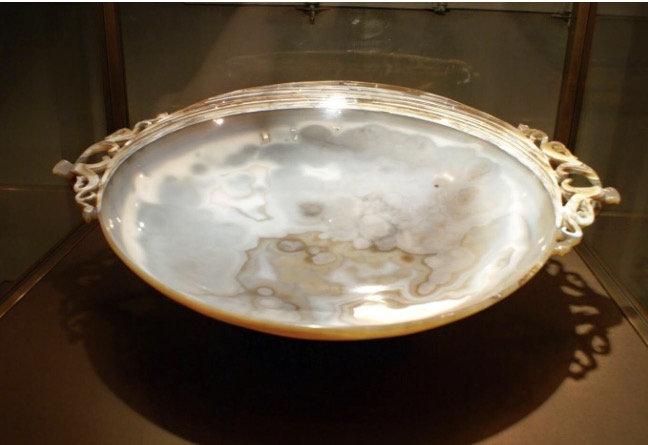
And two of what they considered their greatest treasures: a bowl brought from Constantinople in 1204 and believed by many to be the Holy Grail.

IMG_3447

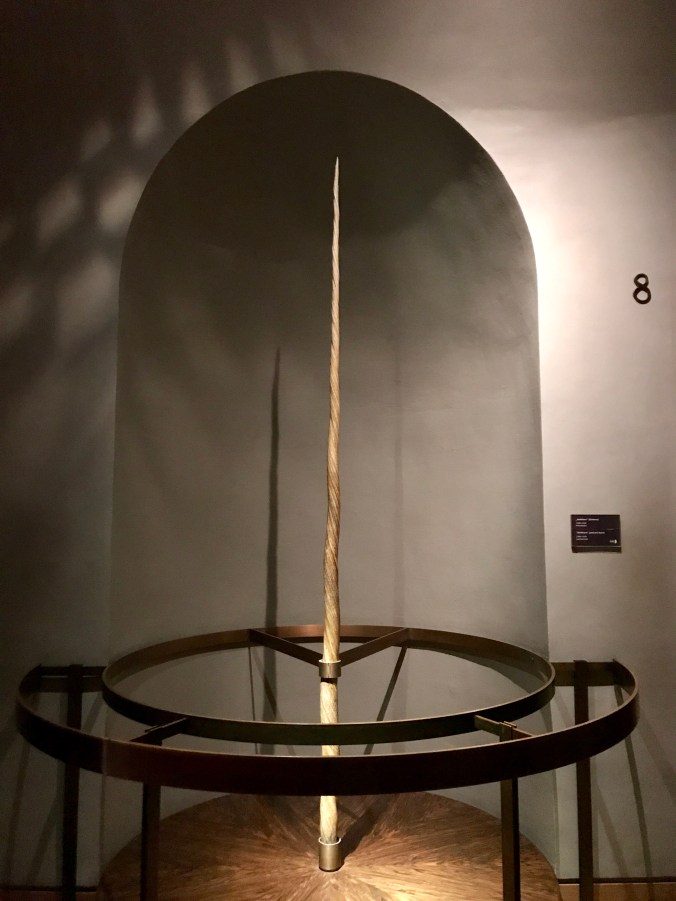
and a Unicorn horn.

IMG_3345

The horn is the tusk of a narwhal, okay, but at the time the idea that it was from a unicorn gave it a special significance, and part of it was used to make the royal scepter. And the bowl, apart from being the largest agate bowl in the world, has veining which in a certain light spells XCRISTO.

Think what you will.

And what would a dynasty be without a crown. Here is the Habsburg’s, designed by Rudolph the II and heavily laden with allegorical and mystical significance. Also, a lot of diamonds, rubies, sapphires and pearls.

IMG_3448

Leopold Museum

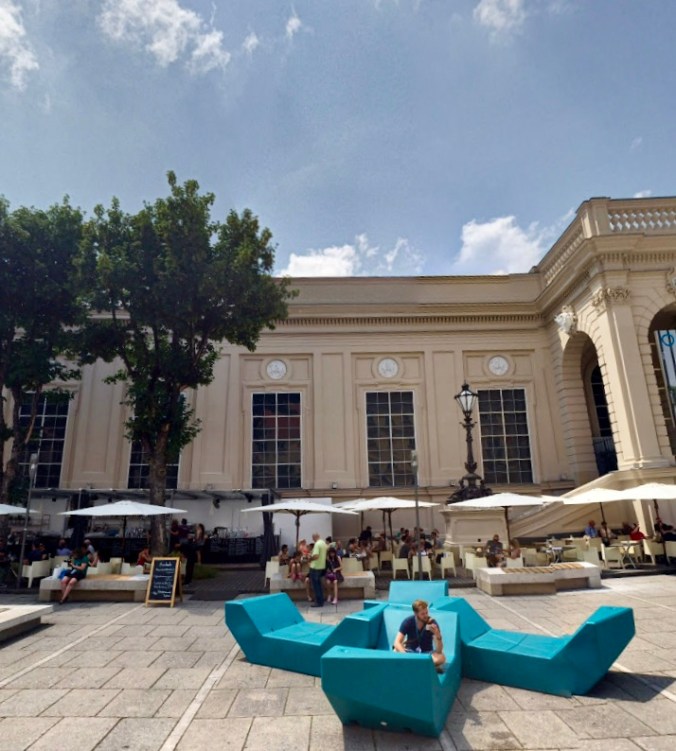
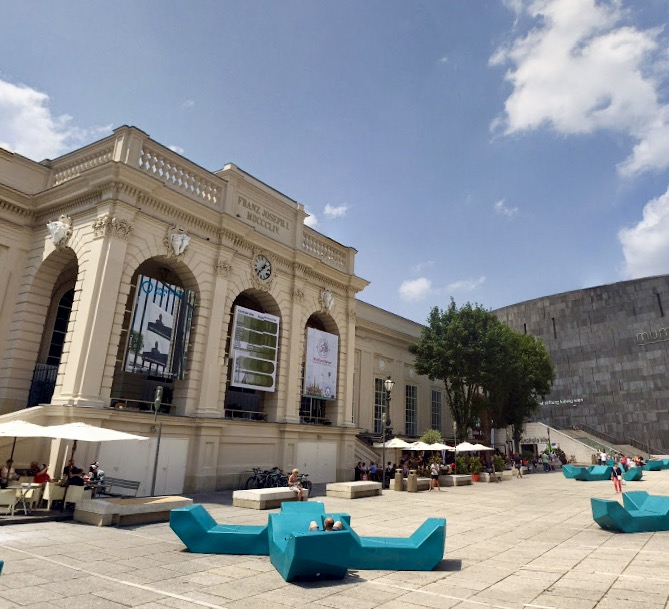
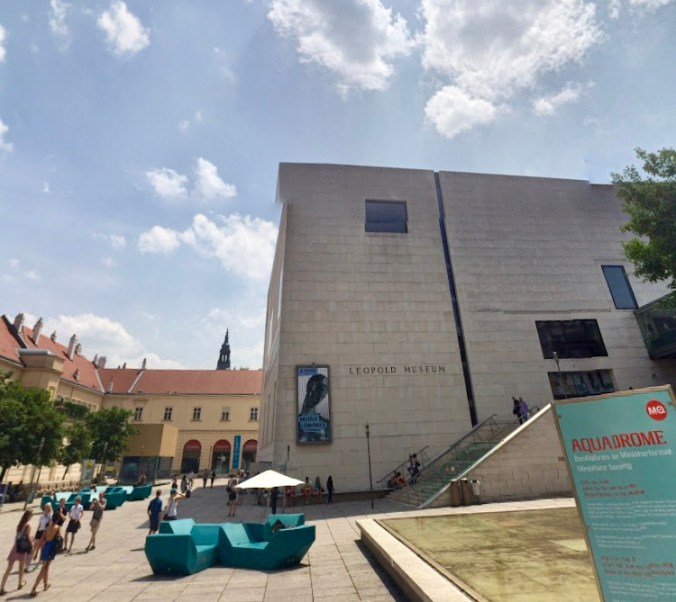
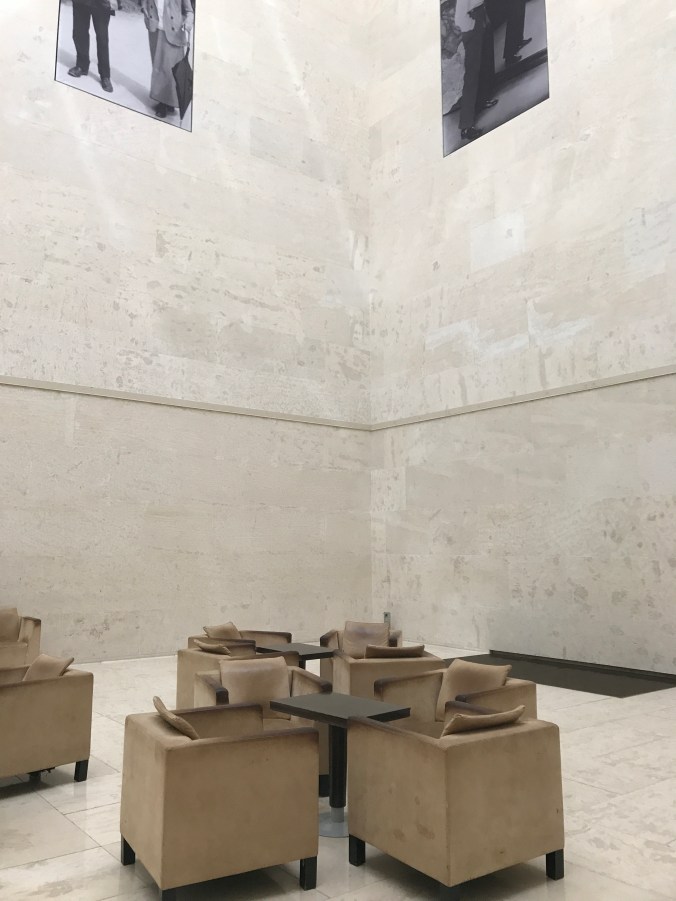
Vienna is a music and art mecca. August is down time for music, but it’s a great time to see art and architecture. Here is the Museum Quarter, an open air plaza ringed by museums.

IMG_3436

IMG_3437

IMG_3440Above and below, the Leopold Museum.
IMG_3292

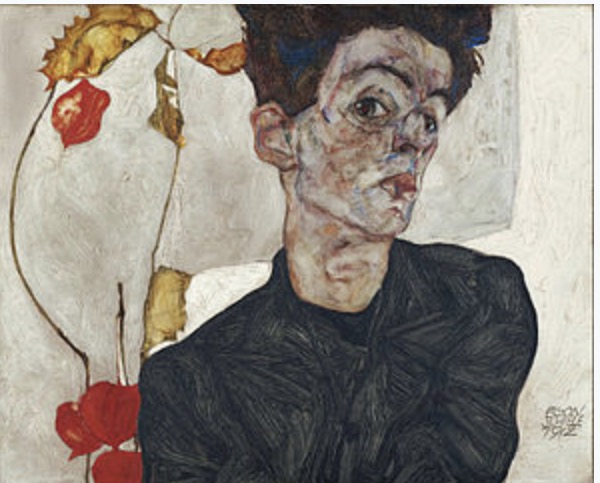
I had read that the Museum featured the work of Egon Schiele and to a lesser extent, other painters of the period, including Gustav Klimt. I’ve always liked Klimt (he’s easy to like) and been put off by Schiele, who I’ve associated with emaciated, graphic nudes. I’m still not a fan of the nudes. But this exhibit totally changed my perception of Schiele.

IMG_3432.PNG

To begin with, his entire body of work was completed by the time he died at the age of 28 of the Spanish Flu. He painted the self portrait above when he was 22.

When he was 17 he sent Klimt, who was already famous, some examples of his work. Klimt helped Schiele make contacts that got him started in the art world and was a steadfast proponent of his work.

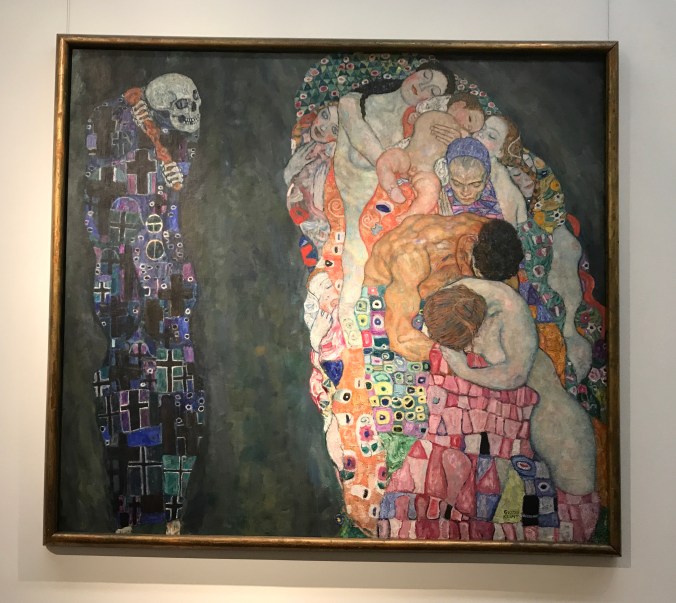
Schiele’s work is not always pretty, but it is moving. Here is Klimt’s representation of death: (“Death and Life”)

IMG_3309

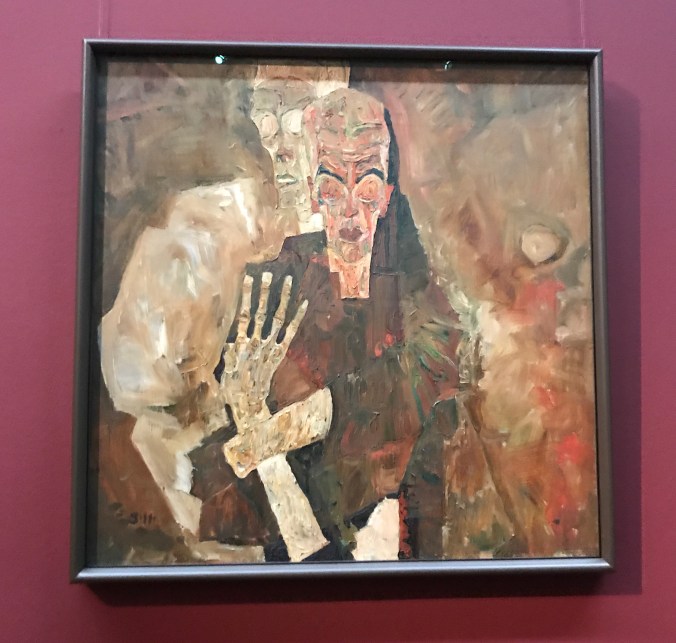
Here is Schiele’s (“The Self Seers II, Death and Man”)

IMG_3298

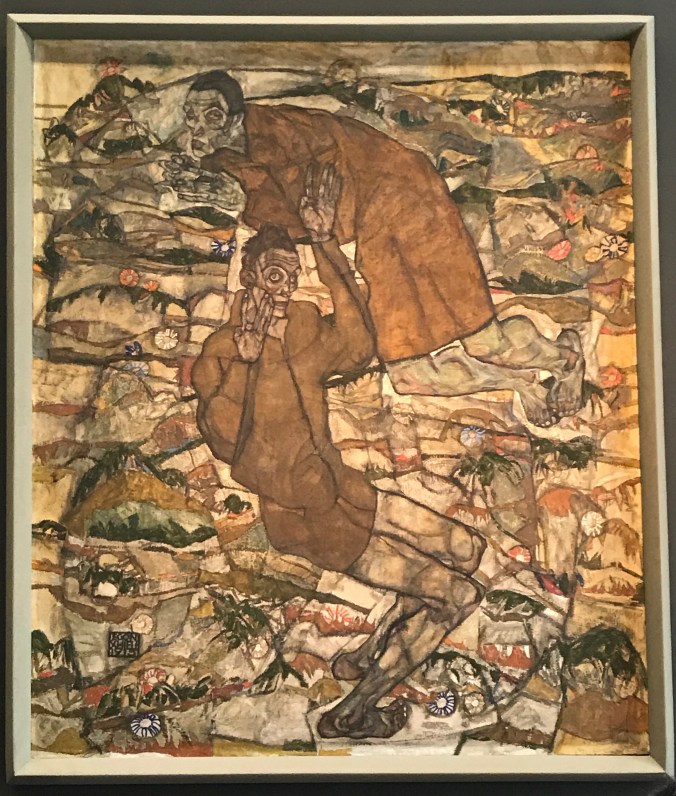
Below, another painting of this theme, “Levitation”. Note that Schiele modeled all of the figures in these paintings after himself. They feel so personal – not paintings of Death as much as paintings about mortality.

IMG_3306

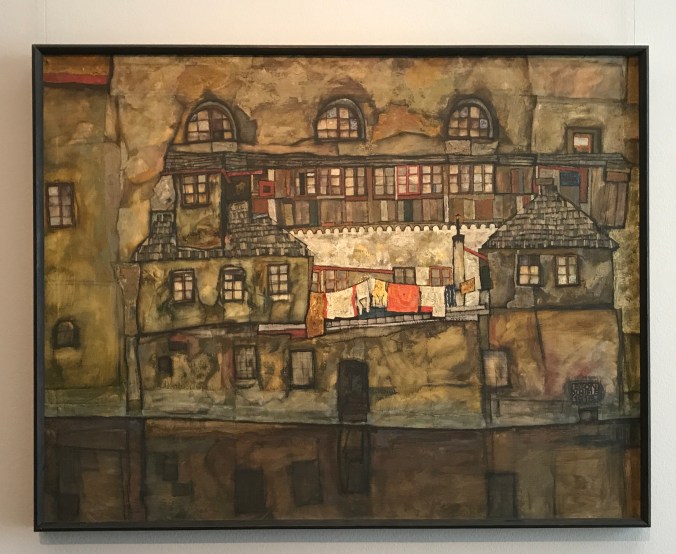
I was also very moved by Schiele’s landscapes, of which I knew nothing before seeing them here. Here is one of a series of paintings of what was then Krumau, Czechoslovakia, and is now Cesky  Krumov (“House on a River”). The “deadness” of the city (his mother’s birthplace, but that’s a whole other story) is relieved only by the laundry – evidence that someone lives here.

IMG_3305

Lastly, this is “Sundown” (1912)

IMG_3303

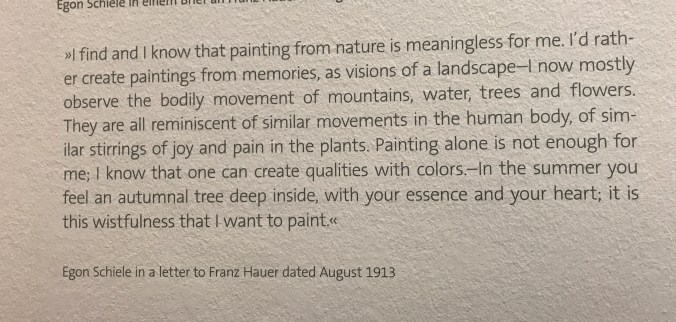
This quote is alongside the painting.

IMG_3302

And that was it.