The Alhambra has always been high on my list of things to see. Like so many of the places we’ve visited, it has a complicated history that involves plenty of misery and bloodshed. Originally built as a small fortress in 889 A.D., it was expanded and converted into an Islamic palace and fortress complex in the 13th and 14th century and was occupied by a series of Muslim sultans until 1492, when the city fell to Christian armies.
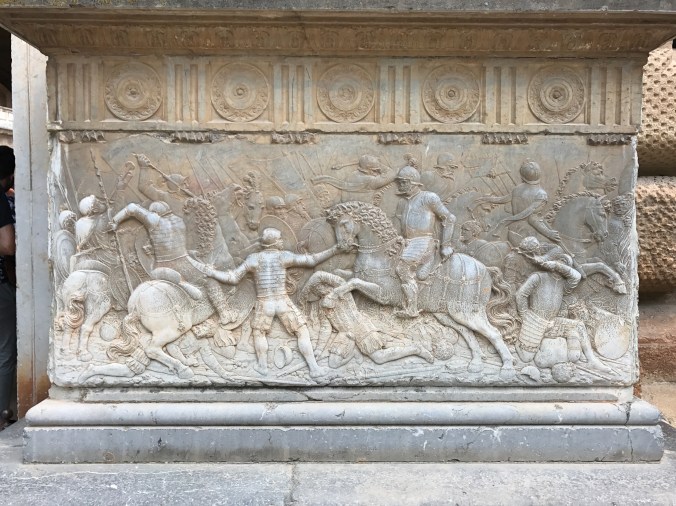 At the entrance to the Palace
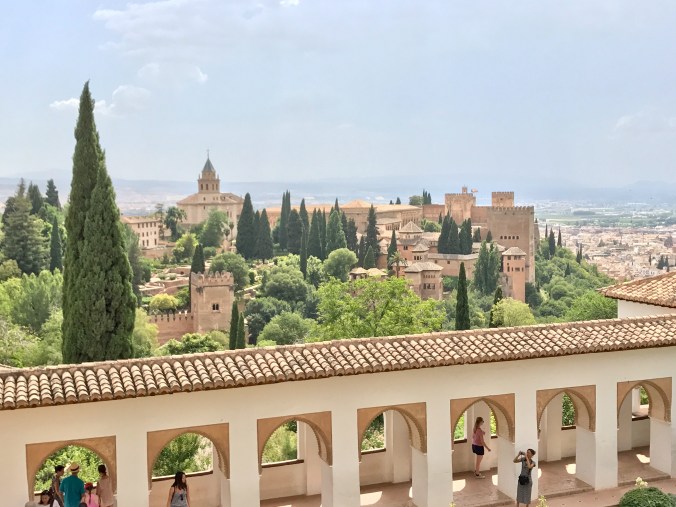
We had a wonderful guide who spent several hours with us. We began our tour at the summer home built as part of the complex: it’s called the Generalife. It was designed as a place apart from the palace, which was always felt to be a place of business. This is where the royal family – the emir, his wives and concubines – went to relax and cool down. Given that it was 100 degrees when we were in Granada (most unseasonable, according to our guide) we were happy to be out of the sun.

The Generalife is surrounded by lush gardens, but these were added later by the Europeans. The original gardens were planted with vegetables.
There are lots of open spaces and great views. The open spaces were outfitted with cushions, low tables for comfortable entertaining.

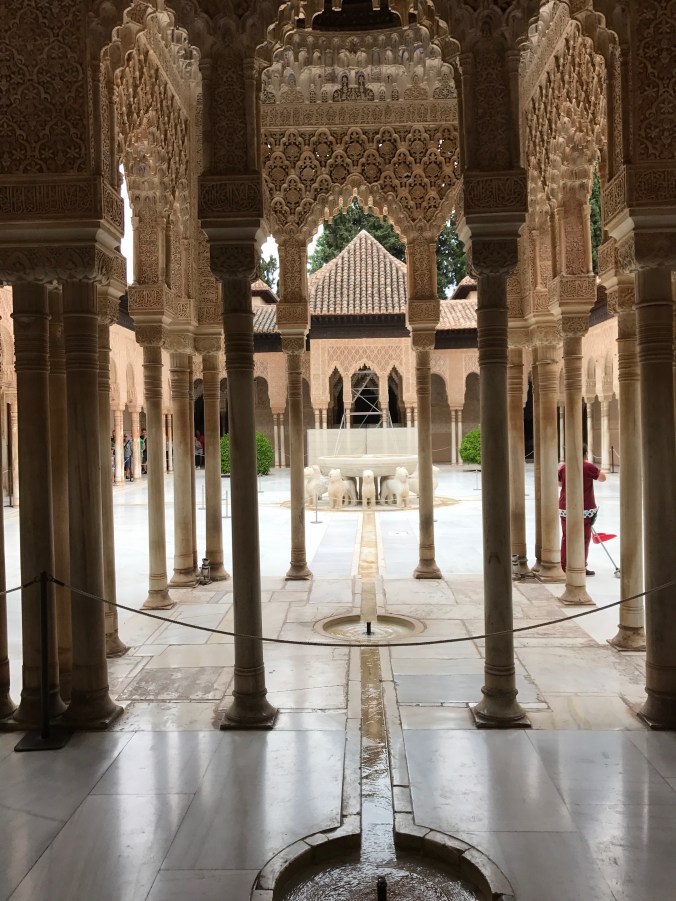
Next we visited the Palace, the Alhambra of my imagination. The entrance is similar: the water in the center was an important design element.
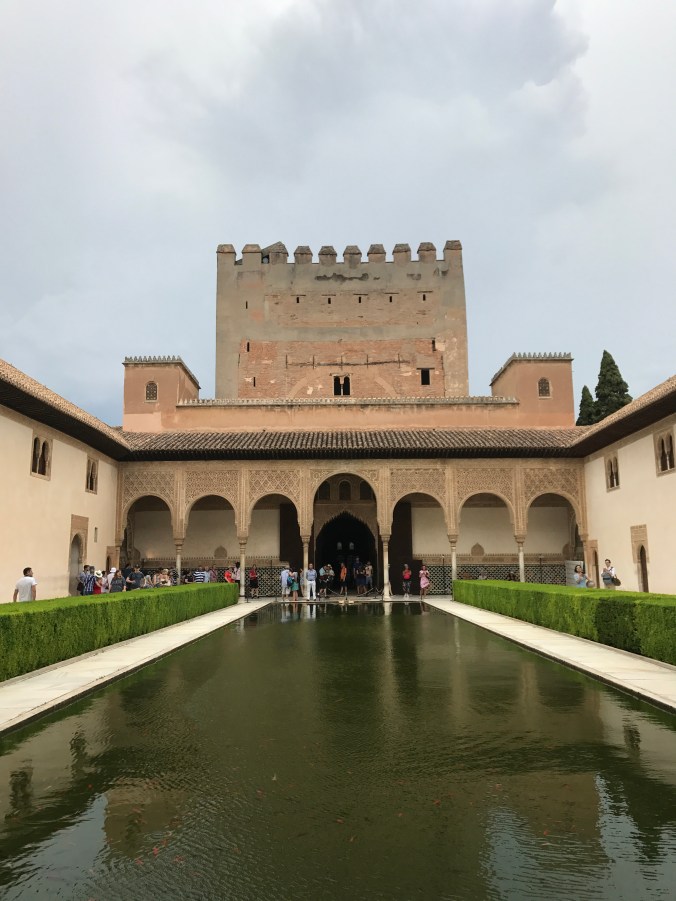
The Palace appears to have two doors –
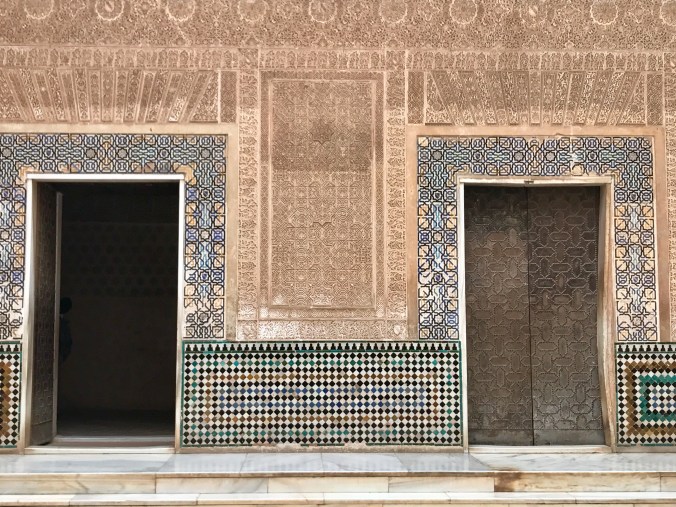 – but really there’s only one! The door on the right is false, and was designed to fool invading armies, who would presumably waste time trying to bash it open.
The outer simplicity of the Alhambra is deliberate – all the richness is on the inside.

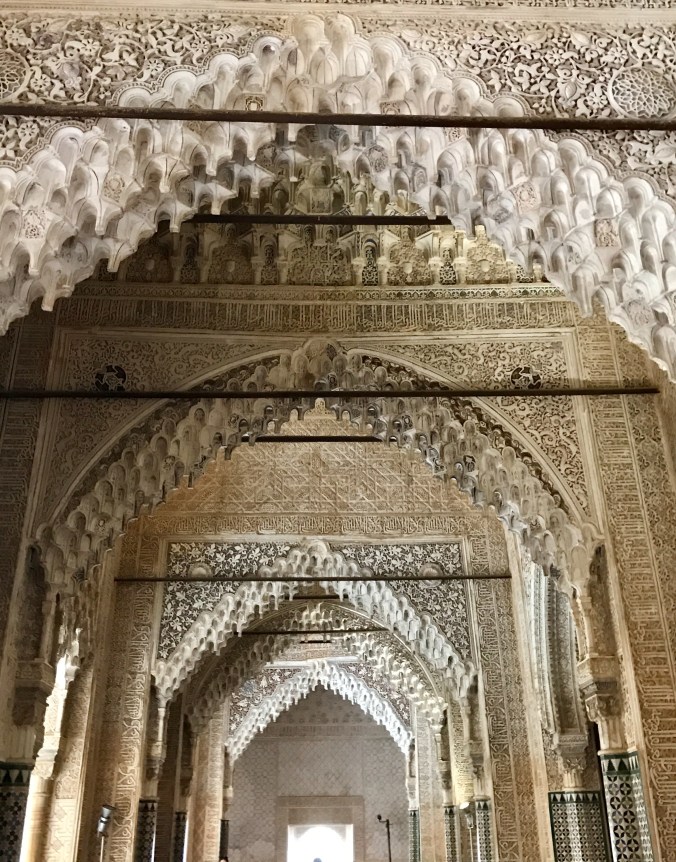
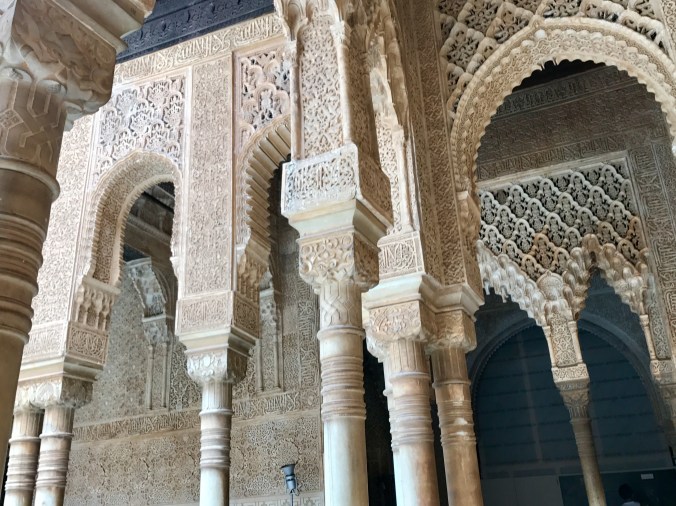
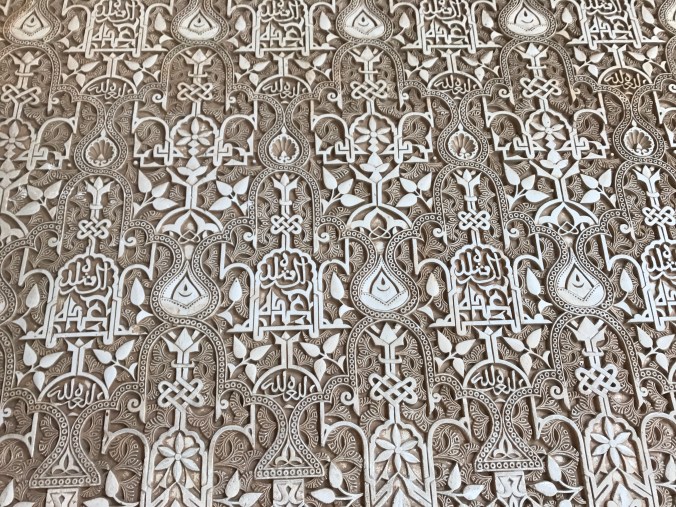
Here is the Sultana’s room. The two windows represent her two eyes.

Below is the biggest room in the Palace. It’s where the sultan received guests. He would sit at the back of the room, with the light behind him: visitors could only see his silhouette.

A better look at the ceiling:
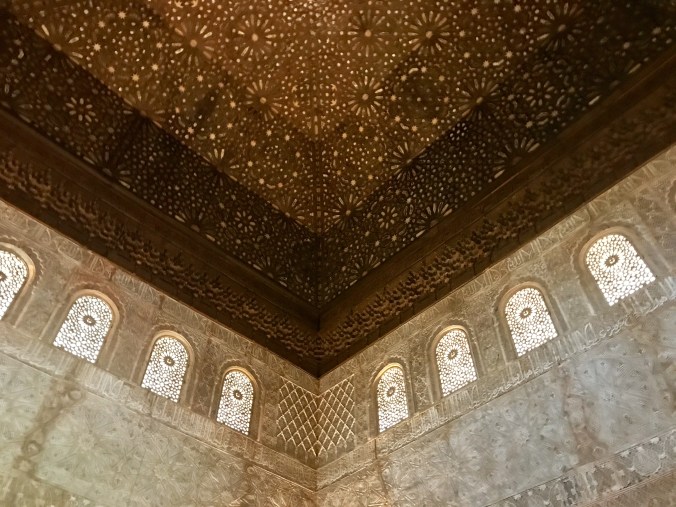 This is also the room where in 1492 Christopher Columbus asked the newly empowered Christian monarchs Ferdinand and Isabella to authorize his expedition.
It’s also the room where, that same year, Isabella signed the decree expelling the Jews (200,000 of them) from Spain.
Back to the Sultan: he was allowed four wives and as many concubines as he could support. This was the area they occupied the Harem – a word that contrary to popular understanding means ‘home’.

More on Granada to come.


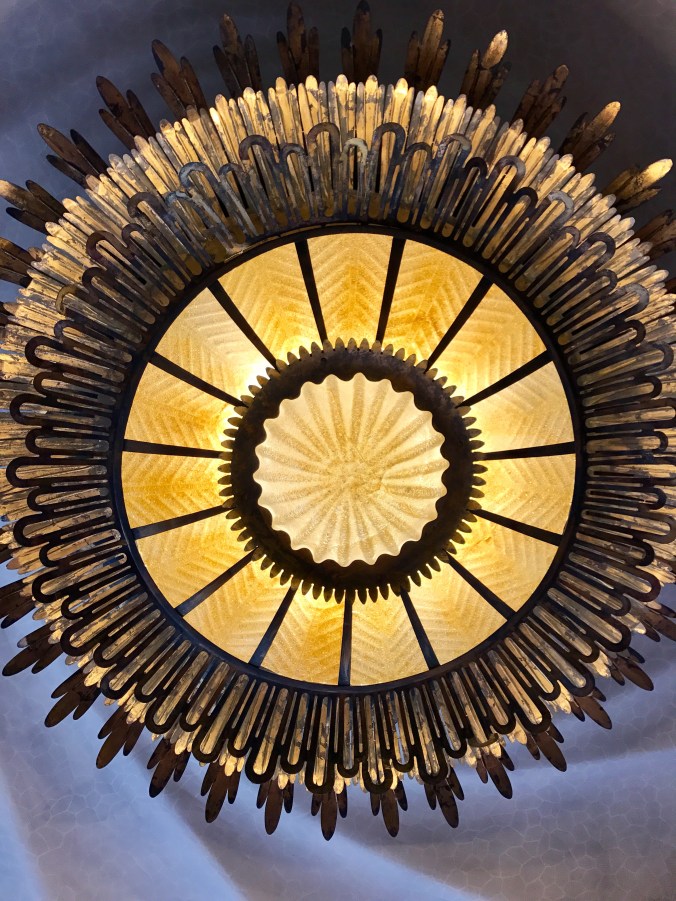 Ceiling fixture at Casa Batillo
 Looking up, Casa Batillo
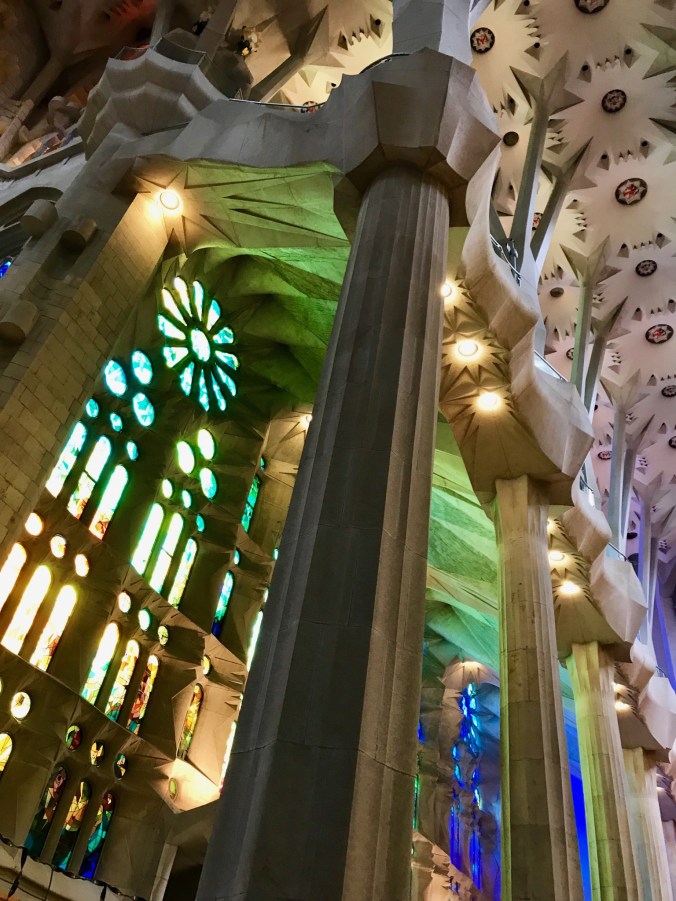
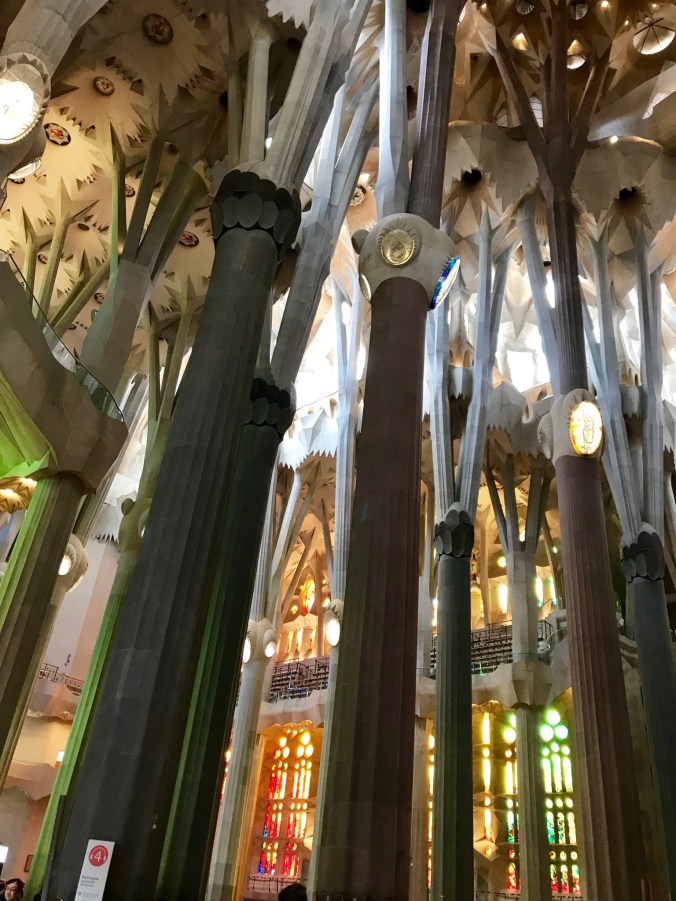
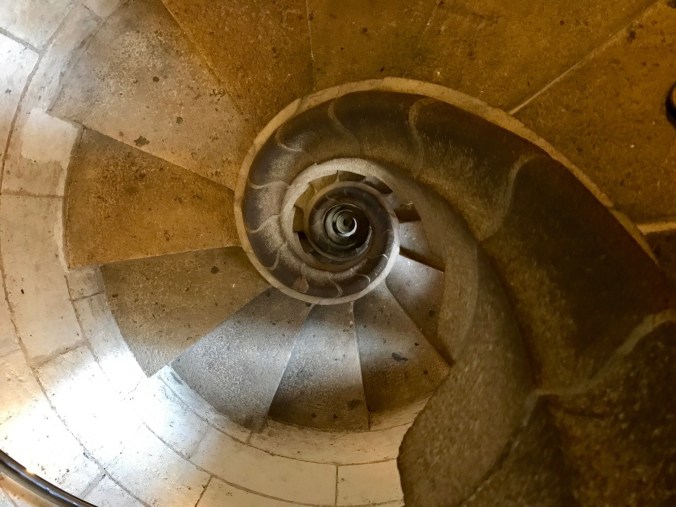
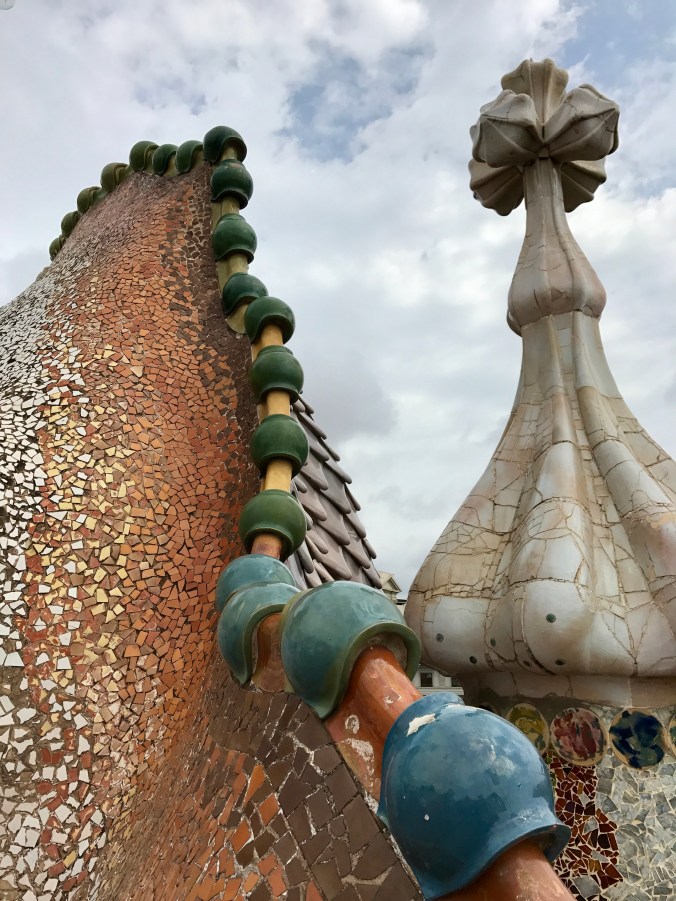
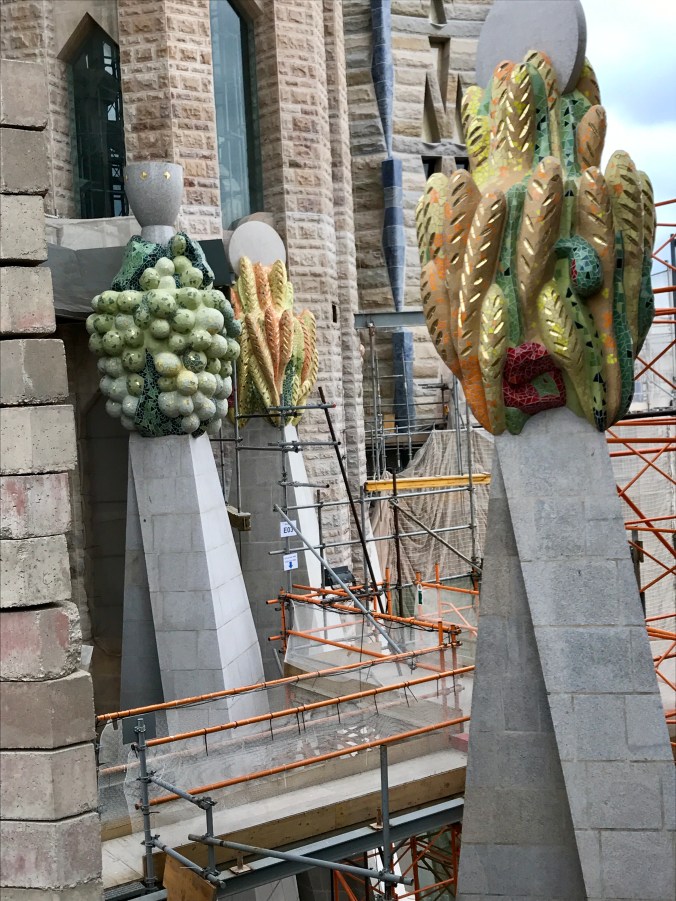
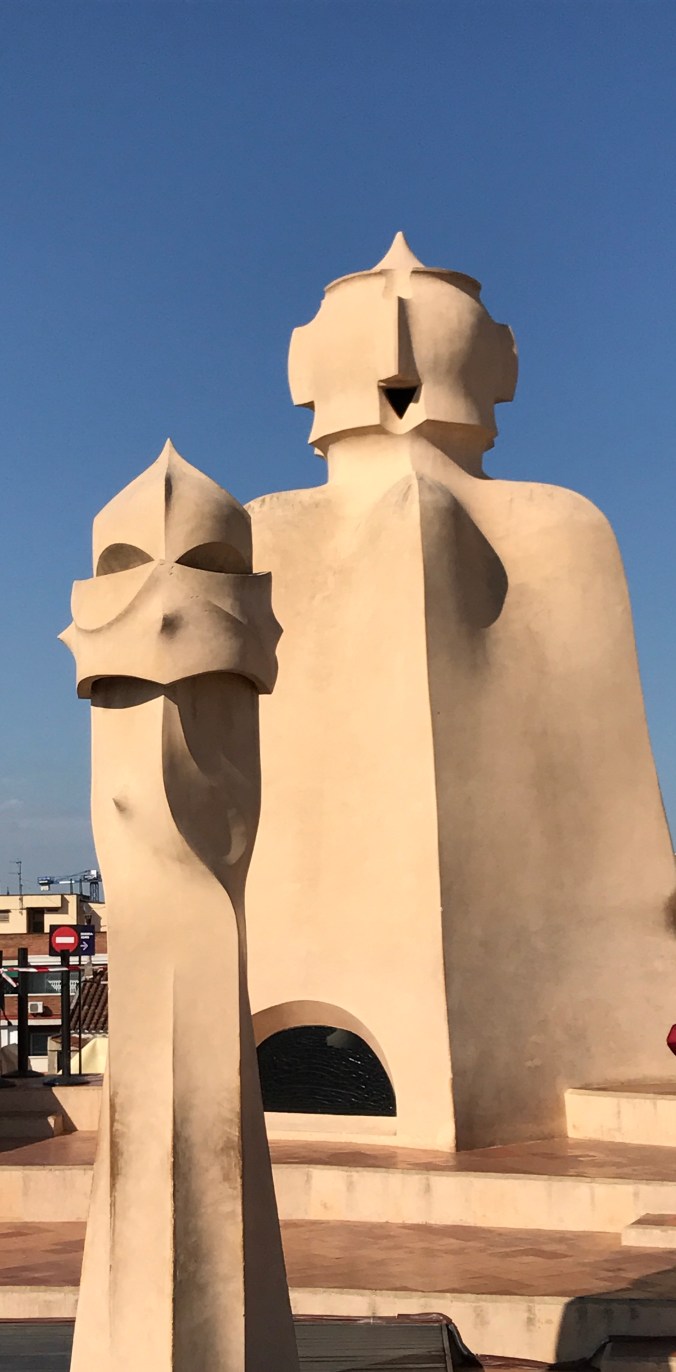
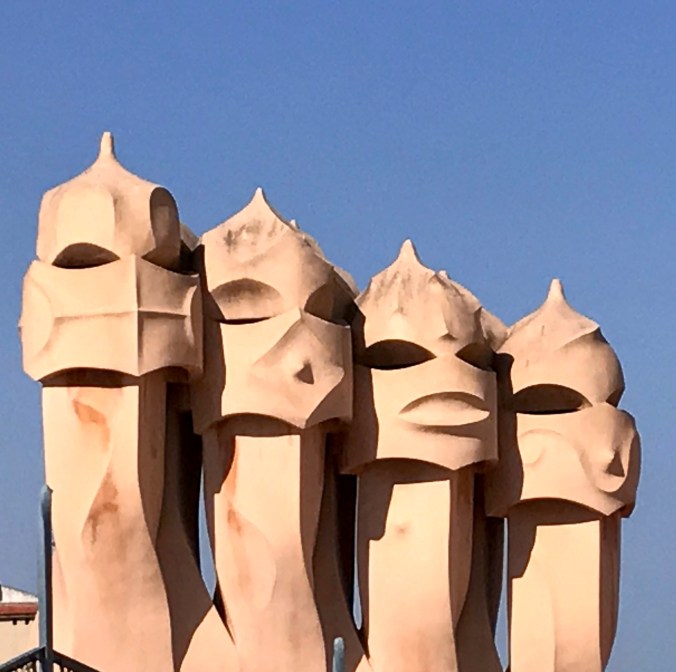

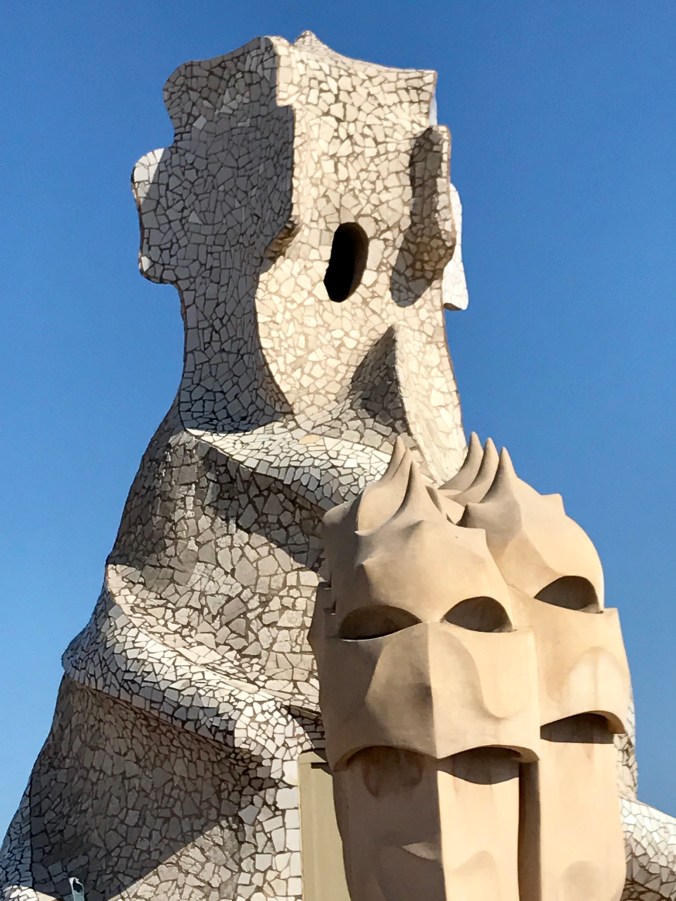
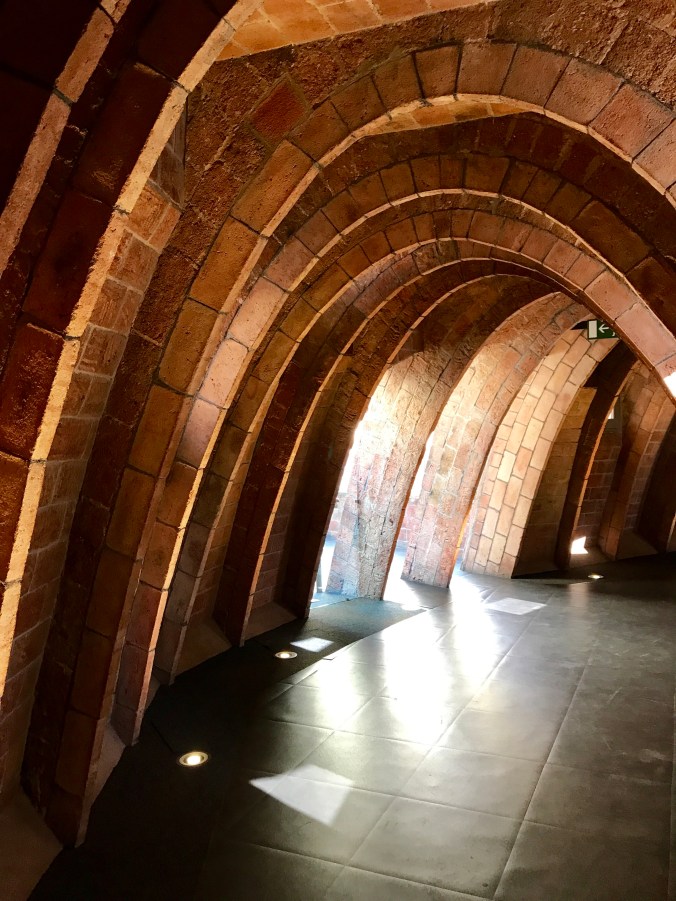
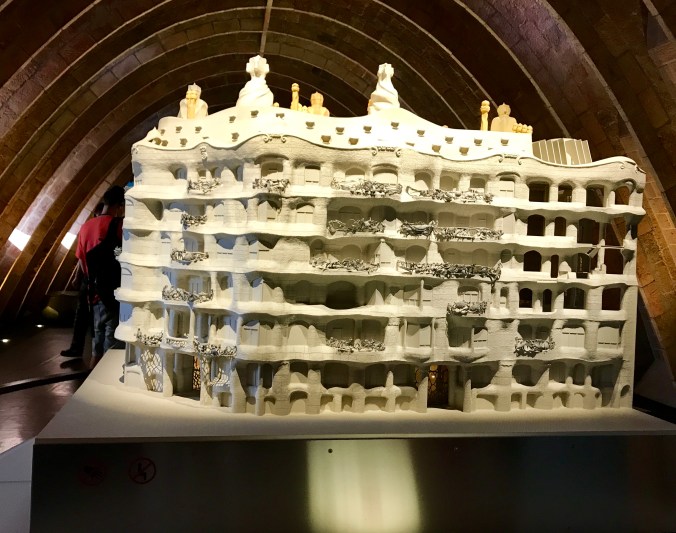


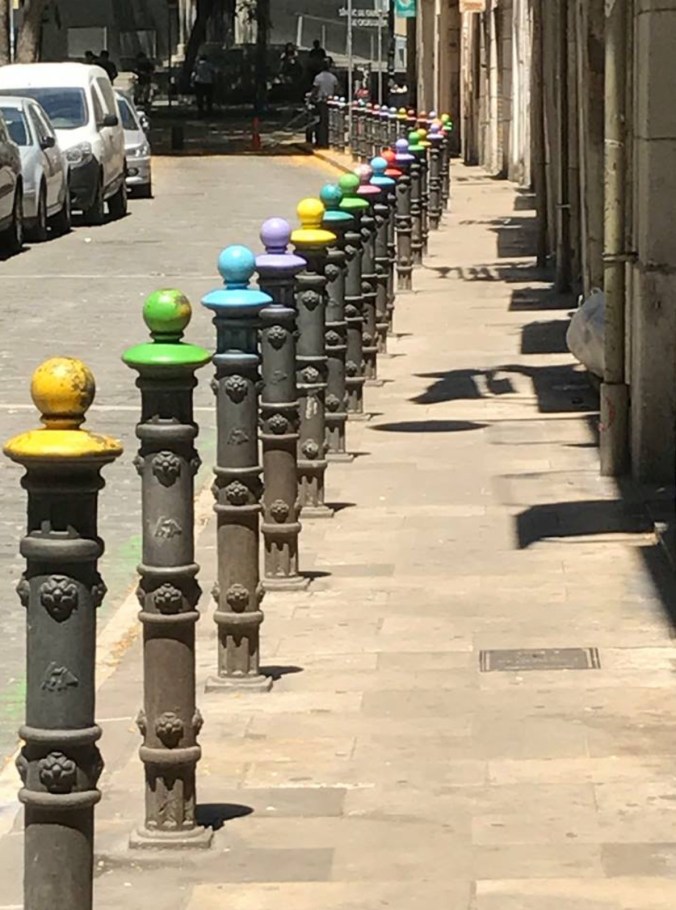
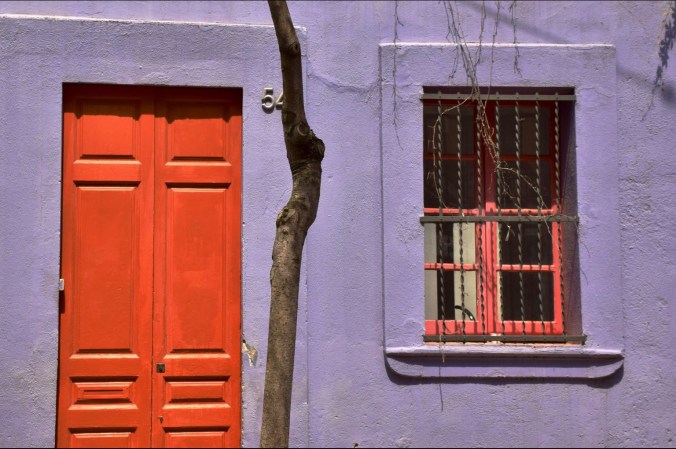


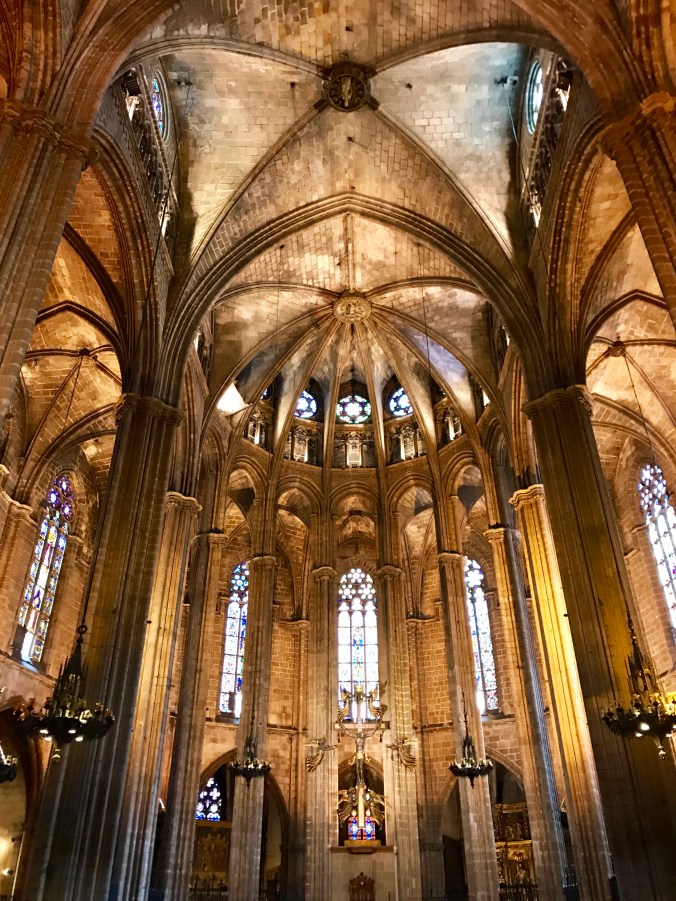
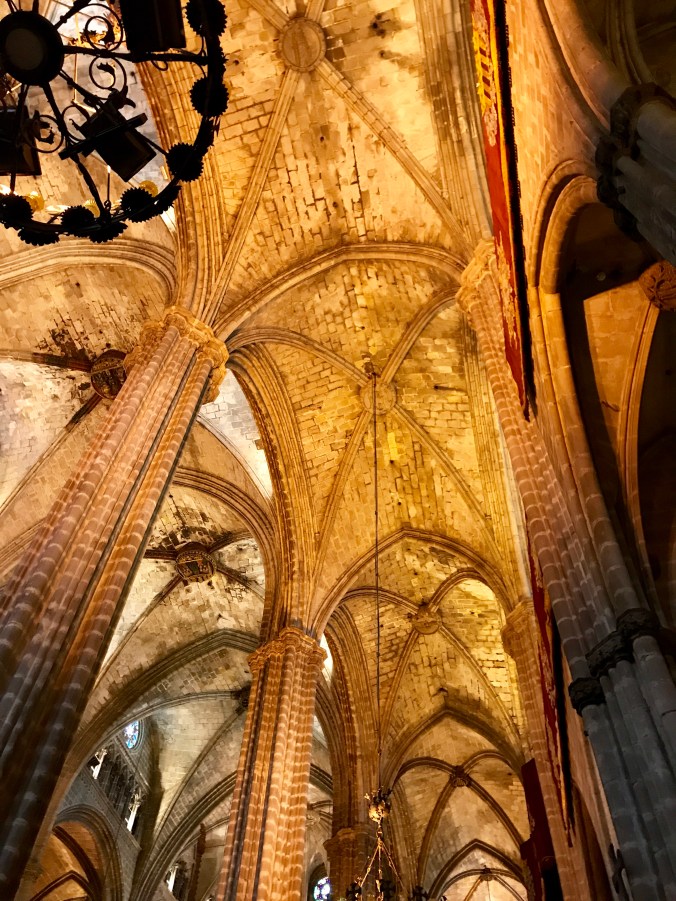
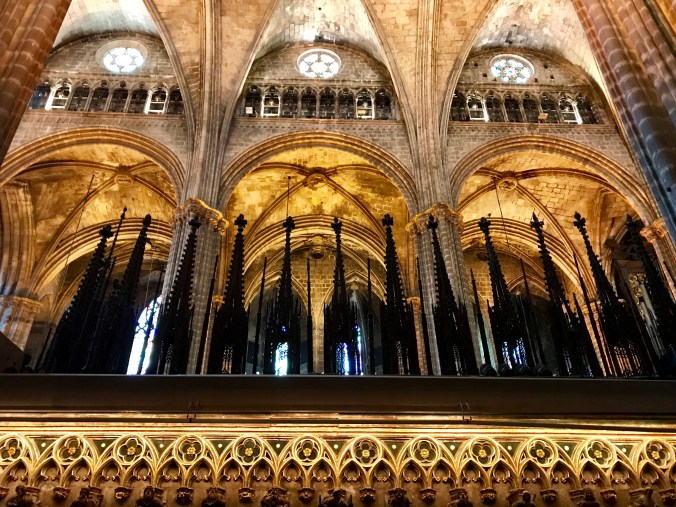
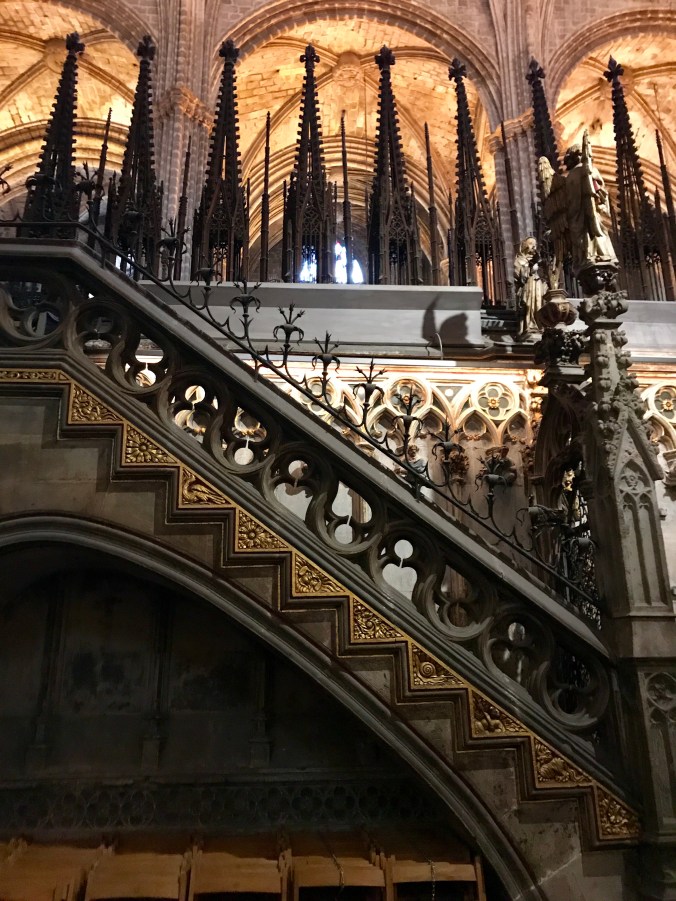
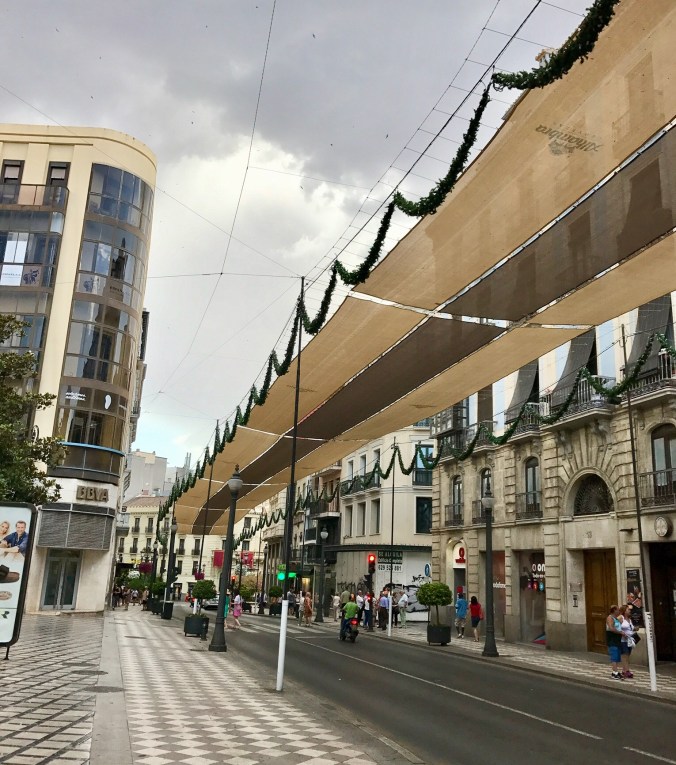 But we did eventually find our way to the Cathedral, and from there to a great restaurant where Jay had cod in yet another form and I had a fantastic mojito. Oh, and food also.


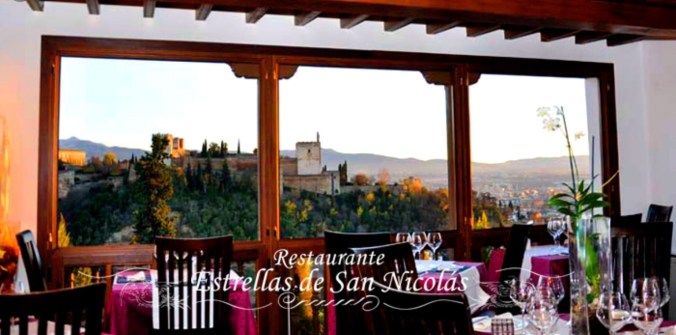
 In Granada we stayed at Santa Isabel la Real, a restored house from the 16th century.


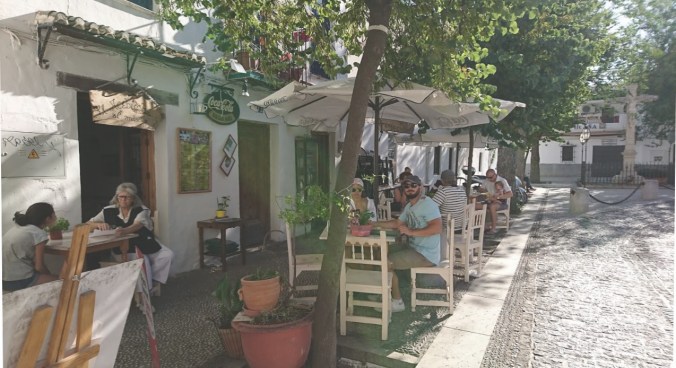


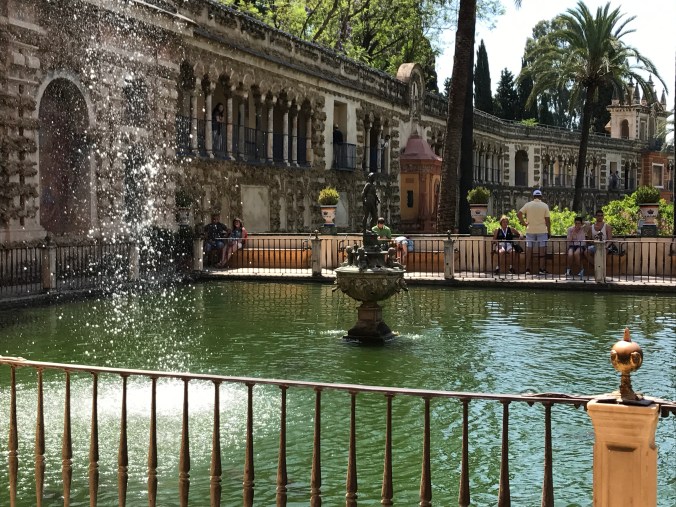
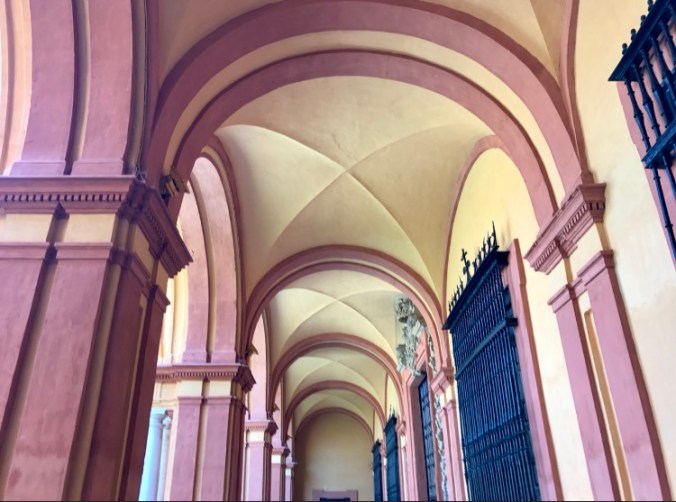
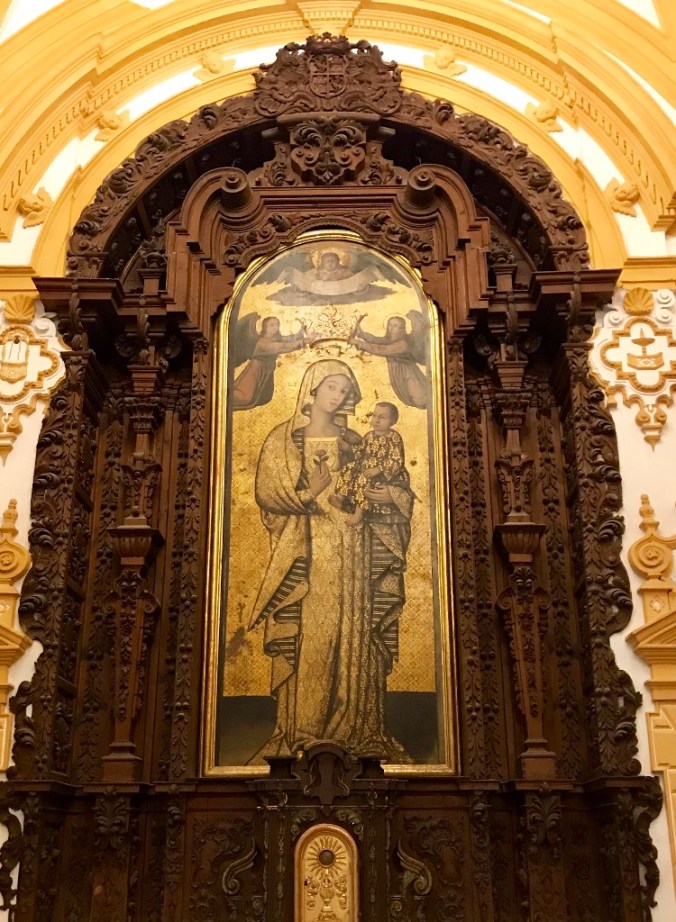
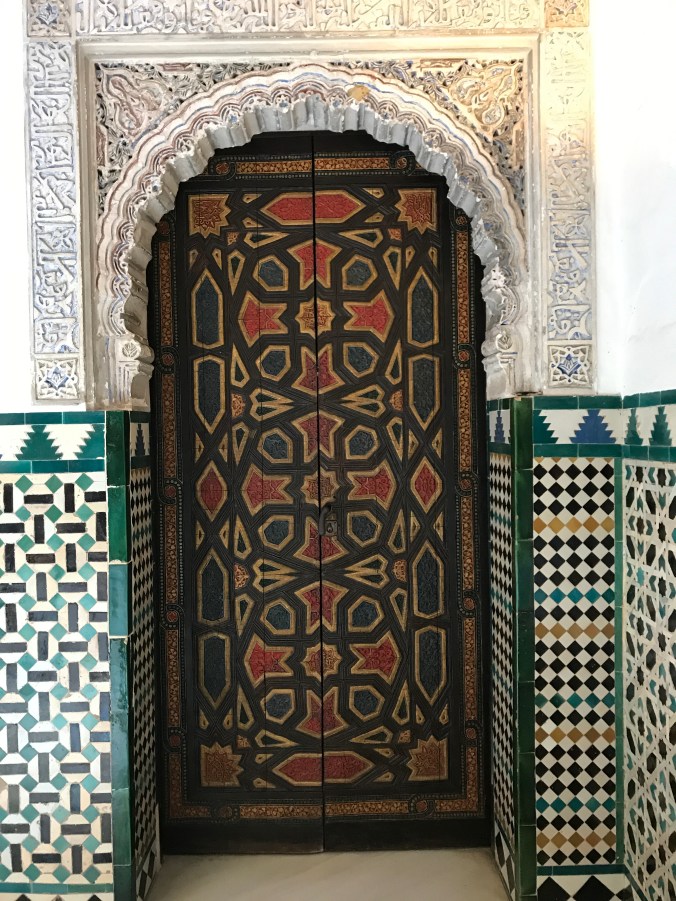
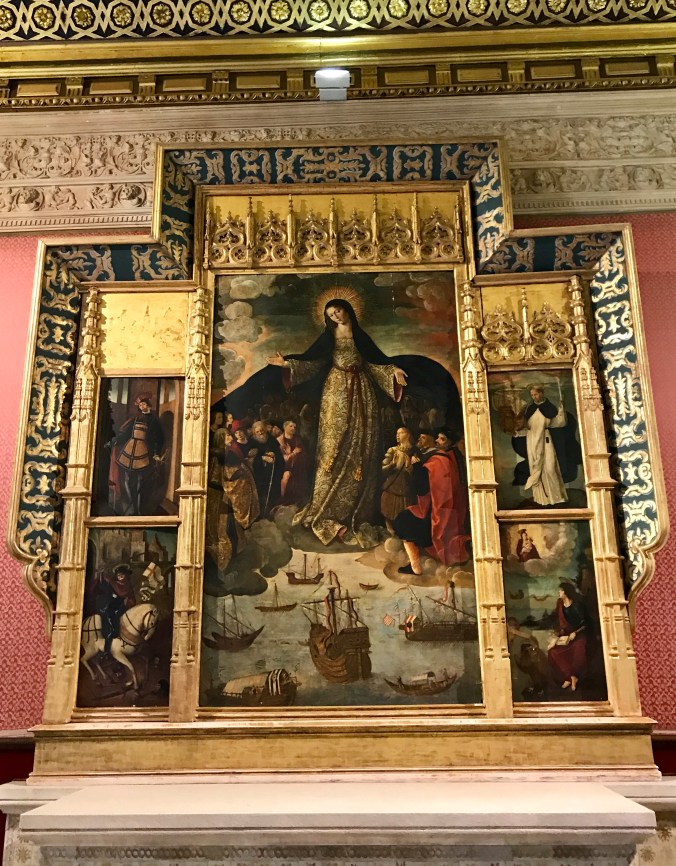
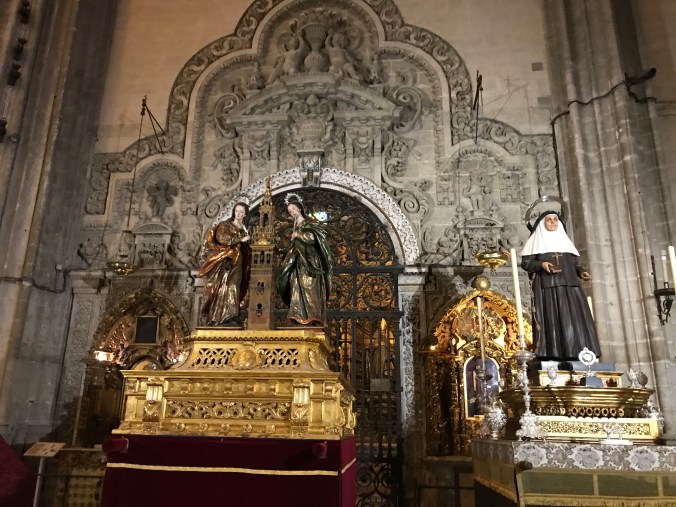
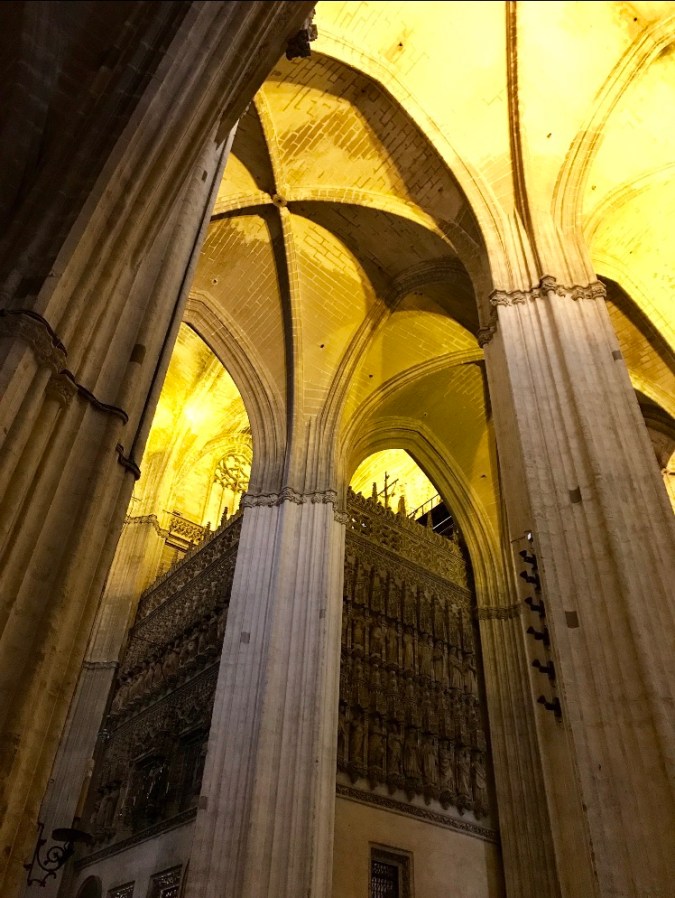
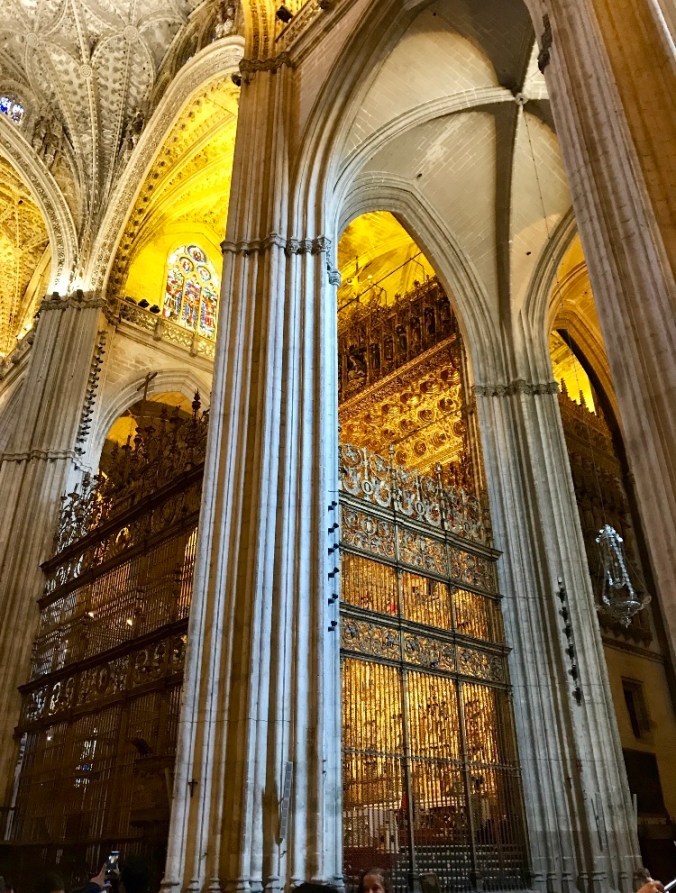
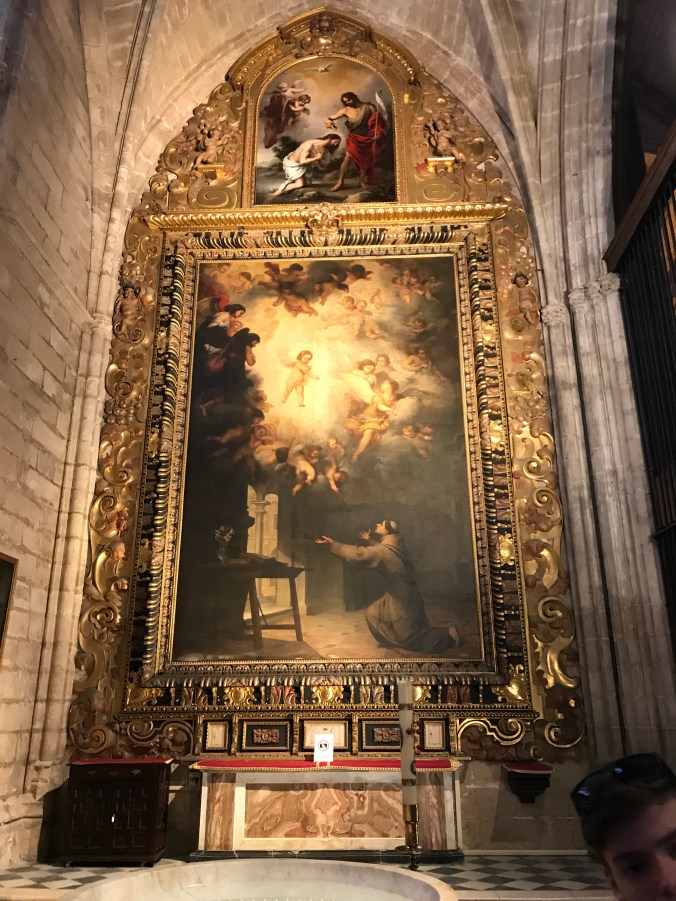
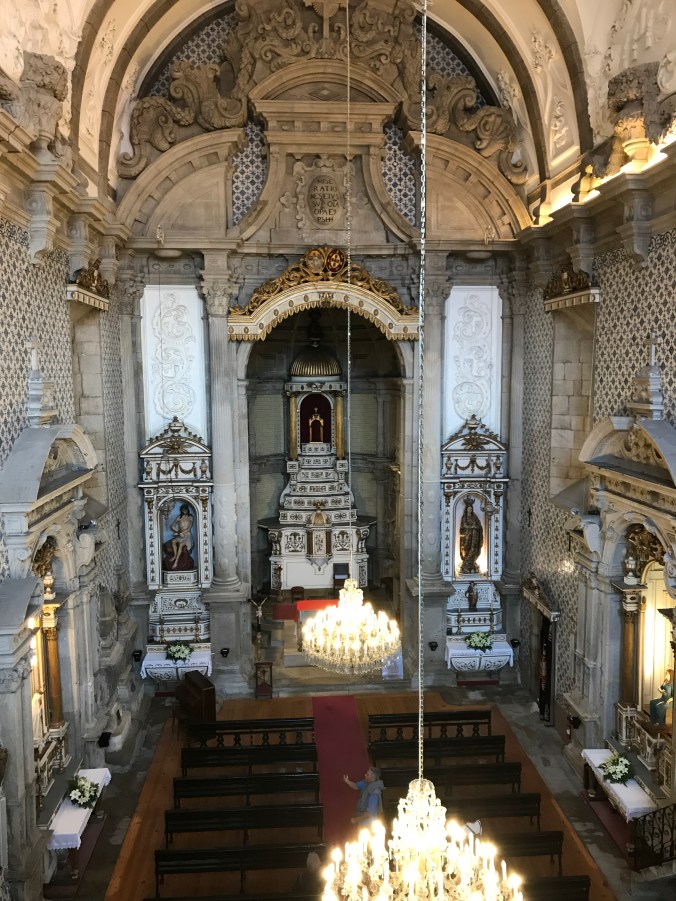
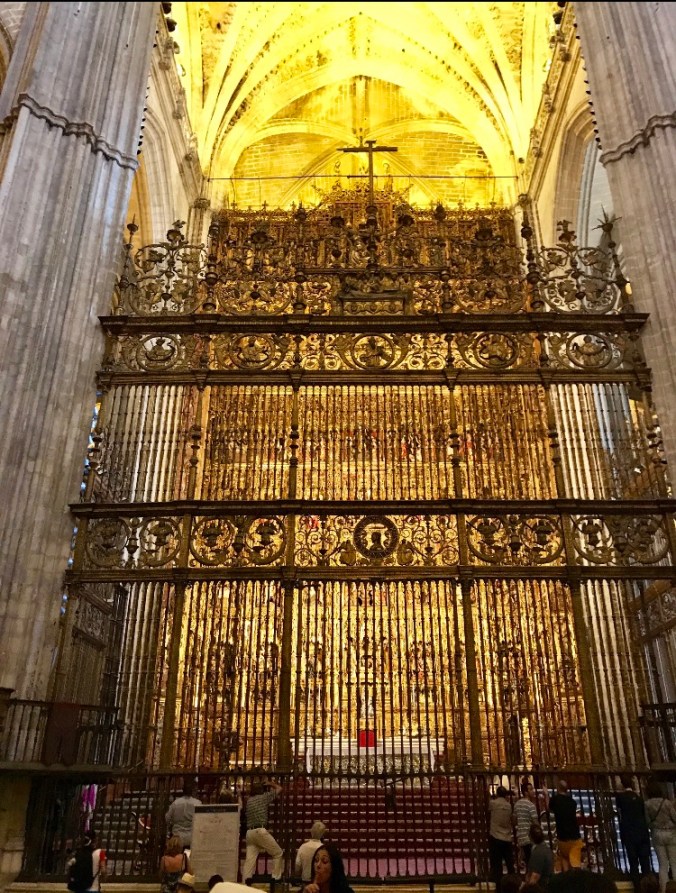 A chapel in the Cathedral. Some of these were originally built as private chapels by wealthy families.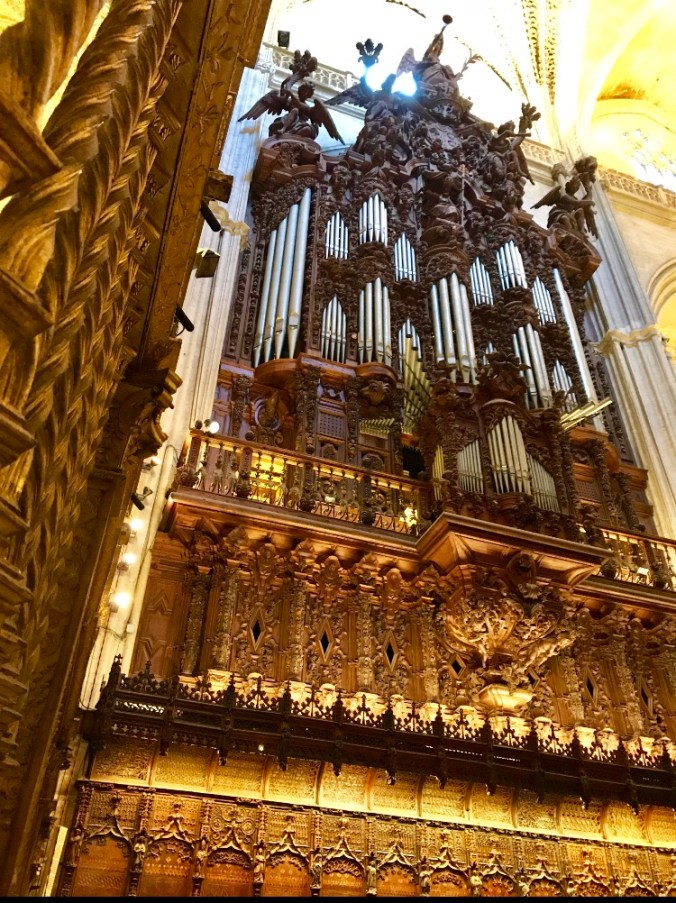


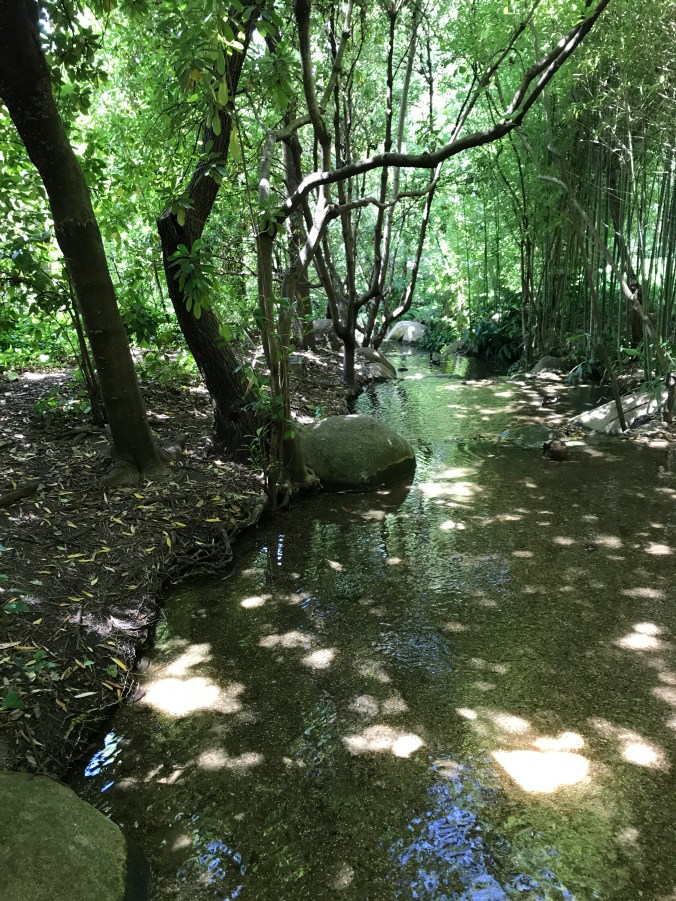


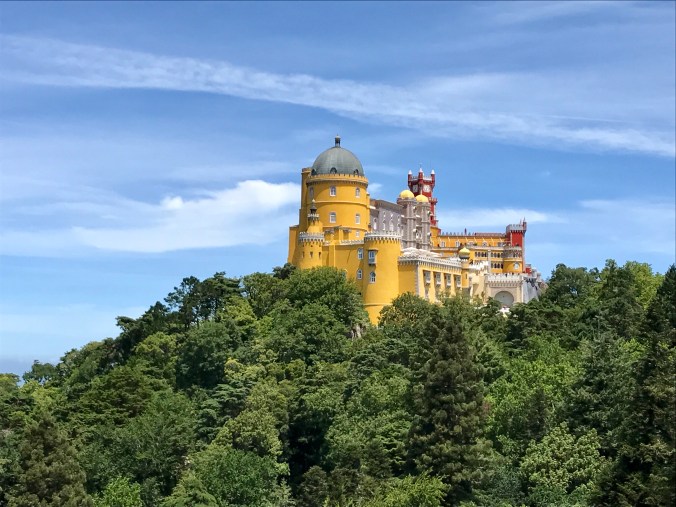
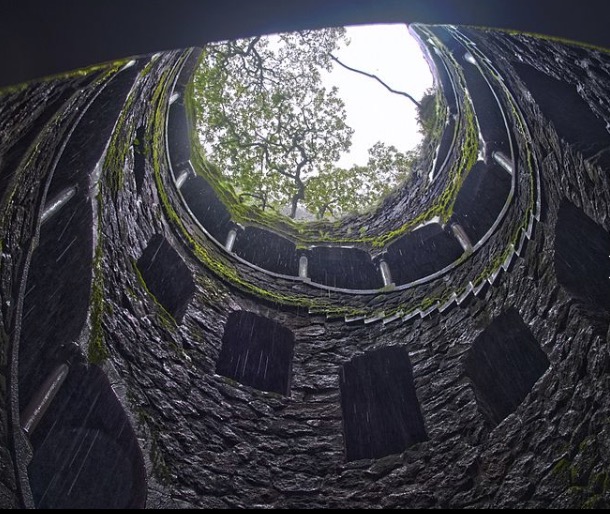
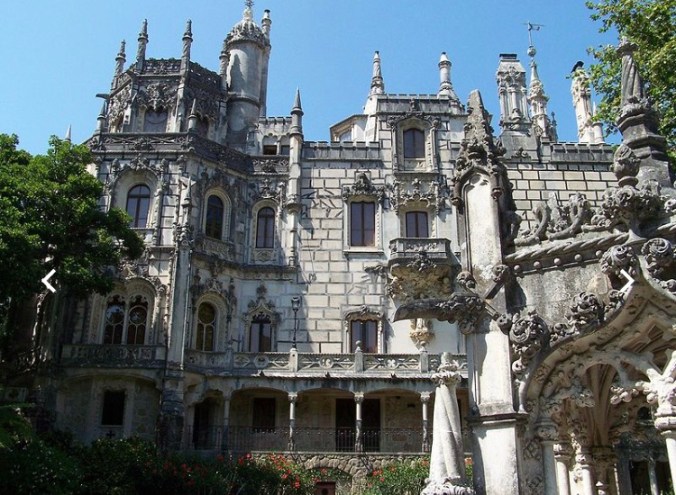
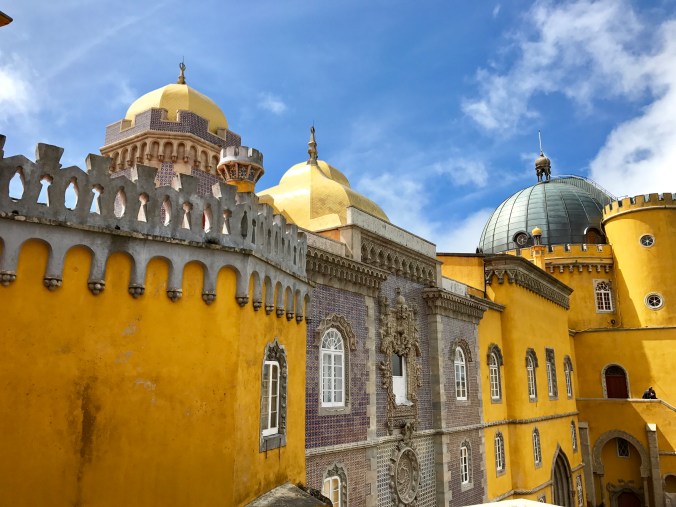 After lunch we visited the Quinta da Regalia, an estate near the historic center. The Palace looks kind of spooky – the real attraction is the grounds, which are full of hidden grottoes, waterfalls, underground tunnels, and statues.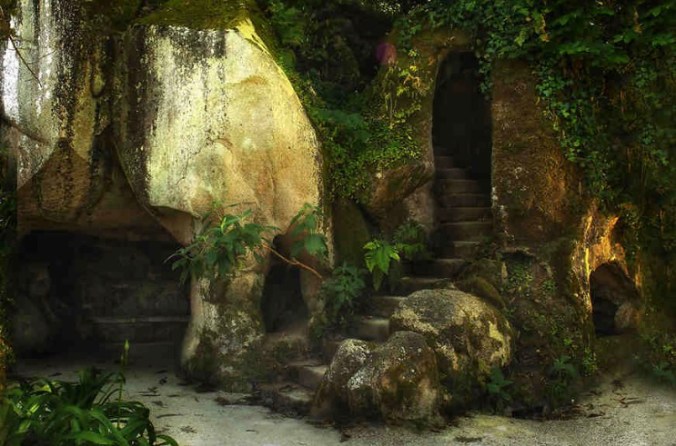

 Journey with Phyllis and Jay